Unveiling Meu Rastreio Integrations: everything you need to know
Tighter deadlines, cost pressure, and end-to-end visibility are today’s logistics reality. Yet many operations still rely on spreadsheets, double entry, and systems that don’t talk to each other. The result? Rework, delays, poor customer visibility, and slow decisions.
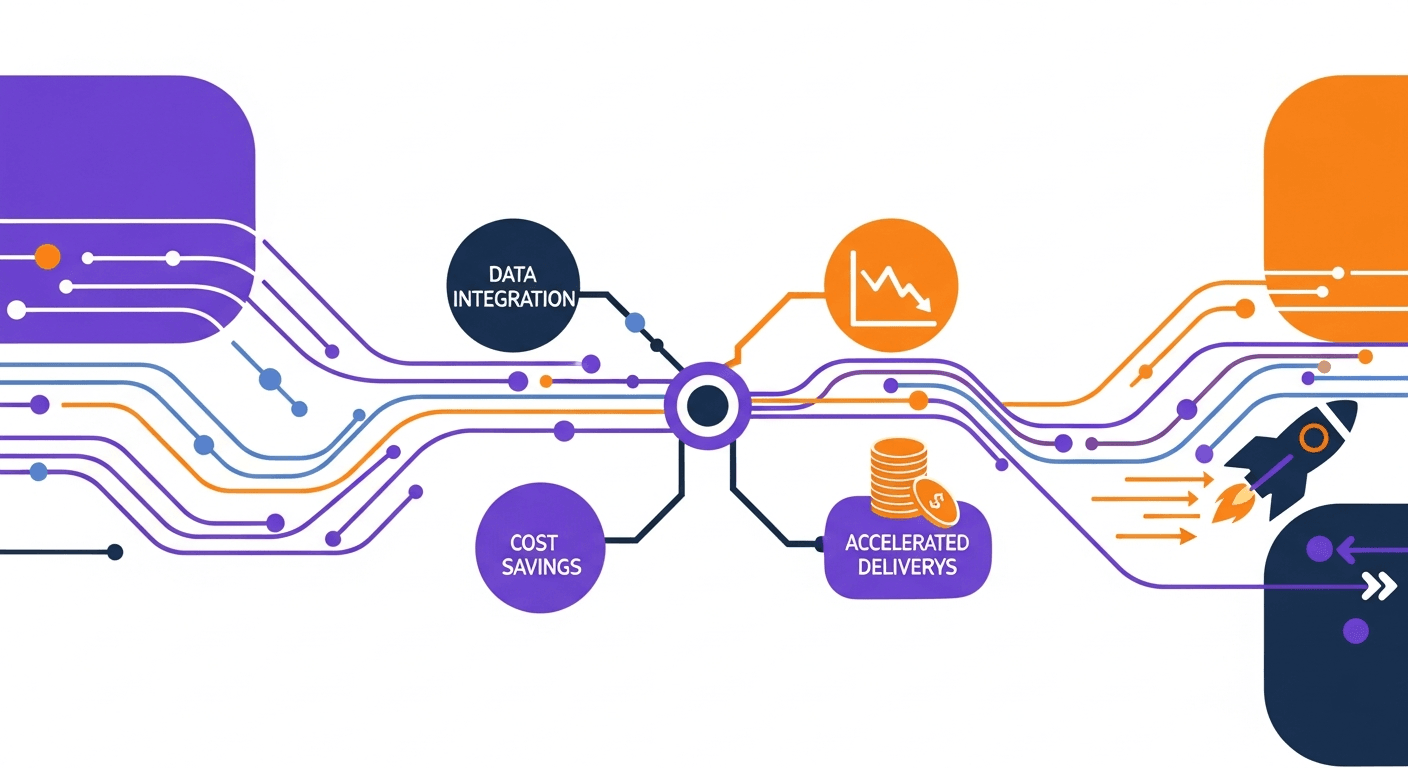
Meu Rastreio Integrations were built to fix exactly that disconnect. By connecting your systems and partners into a single, reliable flow, your team is freed up to focus on what matters most: delivering with excellence, meeting SLAs, and scaling safely.
In this guide, you’ll learn how integrations work, which challenges they solve, the measurable benefits, and how to get started the right way.
Why integrations are strategic in today’s logistics
Without integrations, operations face recurring pain points:
- Duplicate data entry across ERP, TMS, WMS, and spreadsheets.
- Lack of standardized logistics statuses across carriers.
- Difficulty tracking orders in real time and anticipating exceptions.
- Billing delays and slow, manual reconciliations.
- Information blackouts that flood customer support with “Where is my order?”
- Difficulty measuring OTIF, OTD, service levels, and cost per delivery.
Integrating is much more than “plugging systems together.” It means mapping processes, standardizing events, and creating a trustworthy data flow to power fast decisions, proactive service, and end-to-end automation.
What Meu Rastreio Integrations are
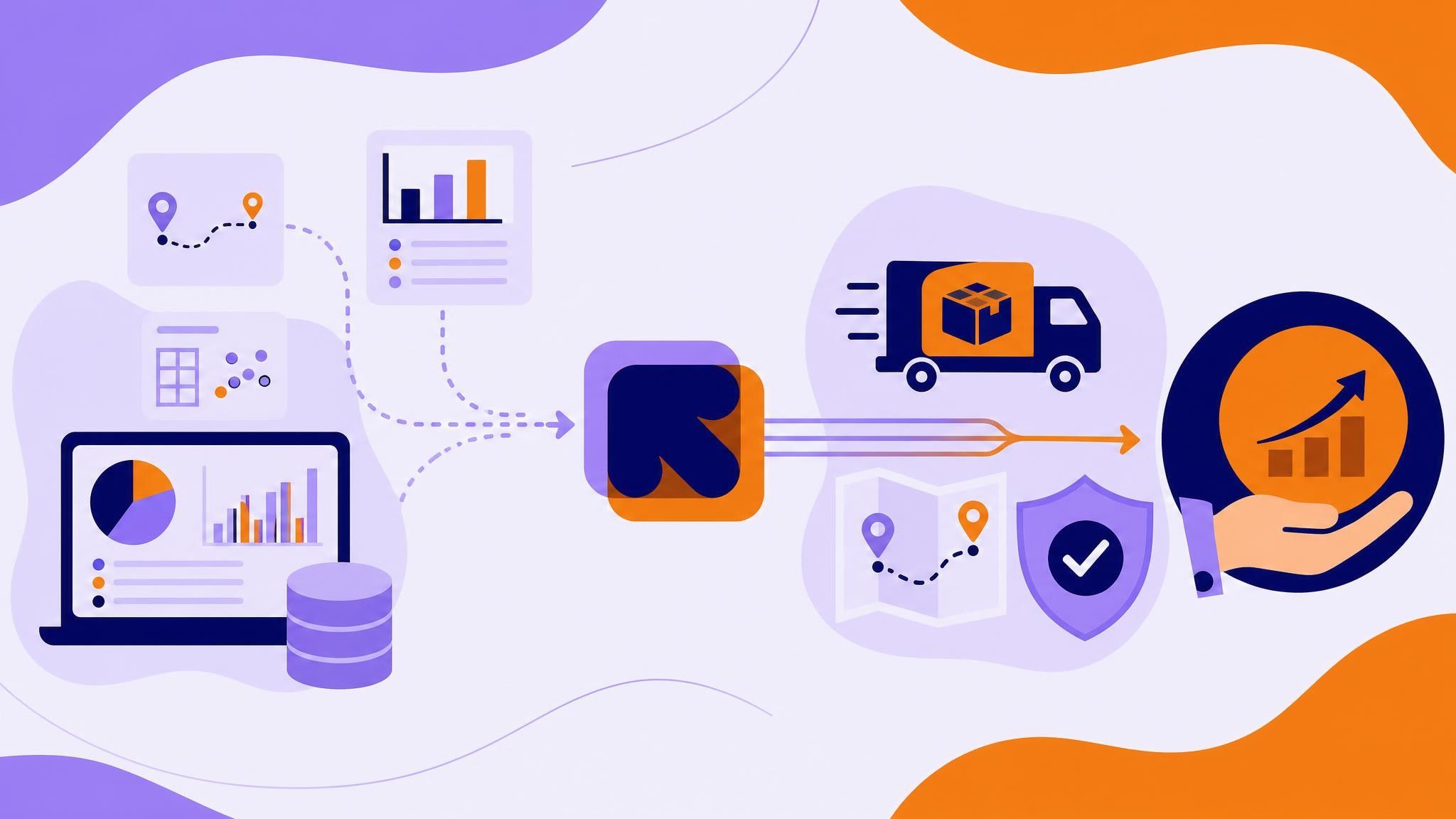
Meu Rastreio Integrations connect your internal systems and external partners to unify critical operational data: orders, pickups, exceptions, route statuses, proof of delivery (POD), appointment windows, and more. In practice, you gain an orchestration layer that:
- Syncs information across ERP, TMS, WMS, e-commerce, carriers, and fleet telematics.
- Standardizes logistics events and statuses for easier tracking.
- Triggers automated customer communications (email, SMS/WhatsApp) with delivery updates.
- Feeds analytics and performance metrics in near real time.
Day-to-day differentiators that make a real impact:
- A catalog of integrations with widely used market systems and partners.
- Flexibility to design custom flows that match your business rules.
- Monitoring and alerts to spot integration failures before they become operational issues.
- Expert support and results-driven onboarding.
- Security and compliance practices aligned with LGPD.
Most common integration types in logistics
- ERP: customer records, invoices, packing lists, sales orders, and billing.
- TMS: transport orders, pickup/delivery windows, exceptions, SLAs, and carrier performance.
- WMS: inventory availability, picking, shipping, and load confirmation.
- E-commerce and marketplaces: order sync, promised-date calculations, and consumer-facing tracking.
- Telematics and fleet trackers: positions, geofences, route events, and speed.
- Carriers and logistics hubs: file exchange and standardized statuses for unified visibility.
- Communication channels: email and SMS/WhatsApp to notify customers and capture post-delivery feedback.
- BI/Analytics: data exports to KPI dashboards and root-cause analysis.
- Finance: freight audit support, digital POD dispatch, and faster billing.
Practical, measurable benefits
When data flows without friction, gains show up quickly:
- Lower administrative costs: less typing, rework, and manual reconciliations.
- Fewer “Where is my order?” contacts: proactive information reduces pressure on support.
- Higher OTD/OTIF: near real-time visibility lets you treat exceptions before they become delays.
- Faster billing: standardized events and POD accelerate financial cycles.
- Scalability: add new routes, carriers, or sales channels without “stopping the operation.”
- Better data quality: standardized events improve audits, compliance, and forecasting.
- Happier end customers: clear communication, transparency, and on-time deliveries.
Hypothetical example to size the impact:
- Operation with 10,000 deliveries/month and 20 carriers.
- Before: 3 team members dedicated to consolidating statuses and answering support; billing dependent on emails and spreadsheets.
- After adopting Meu Rastreio Integrations: automatic status updates, centralized digital POD, and exception alerts. Expected outcomes:
- Significant reduction in support calls about tracking.
- Team hours freed up to handle exceptions and drive continuous improvement.
- Faster invoicing with fewer pending items due to missing PODs.
How integrations work day to day
Imagine the integrated flow in a common scenario:
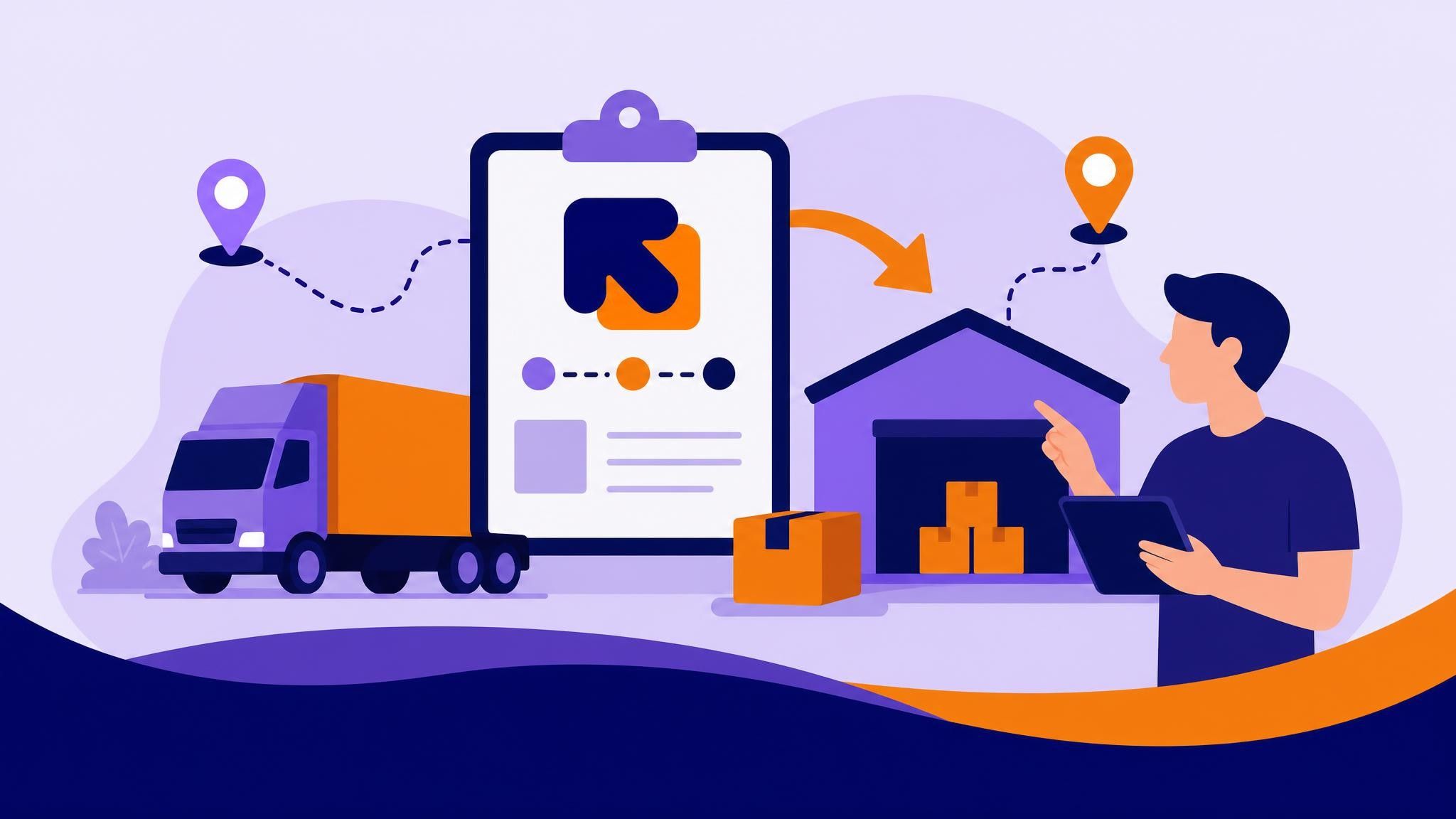
- The order is created in the ERP with fiscal and shipping data.
- It moves to the TMS with the pickup window and assigned carrier.
- At shipment, the WMS flags dispatch; the information is reflected in Meu Rastreio.
- In transit, route events and location data are aggregated into a unified timeline.
- The customer receives proactive updates and a more accurate ETA.
- At completion, the digital POD is registered and shared with the right systems.
- Finance already has the events needed to bill without delays.
Two illustrative scenarios:
- 3PL with multiple carriers: Meu Rastreio Integrations standardize statuses and exceptions, eliminating parallel spreadsheets and improving SLAs with B2B clients.
- Manufacturer with private fleet: integrated telematics and synchronized delivery windows shorten cycle time and improve OTIF with key customers.
Implementation: from kick-off to go-live
A successful integration journey typically includes:
- Diagnosis: mapping systems, critical flows, events, and sources of truth.
- Solution design: defining priority integrations and business rules.
- Connection and testing: certification with partners and validation of exception scenarios.
- Training: enabling operations and administrative teams.
- Assisted go-live: reinforced monitoring, fine-tuning, and KPI governance.
Depending on complexity, you can evolve in waves (MVP first, expansion later) to reduce risk and accelerate returns.
Security, reliability, and data governance
In logistics, sensitive data demands rigor. Meu Rastreio Integrations follow practices aligned with LGPD and modern security standards, including:
- Role-based access control and full action traceability.
- Multiple protection layers and privacy policies for information exchange.
- Continuous integration health monitoring and preventive alerts.
- Data standardization and quality for auditability and compliance.
The goal is to ensure the right data reaches the right place at the right time—with security and reliability.
Trends shaping logistics integrations
- Real time as the default: continuously refreshed information for agile decisions.
- Exception-first focus: smart alerts that prioritize critical events.
- Event standardization: common taxonomies accelerate partner connectivity.
- End-to-end automation: from order to POD and billing, with minimal manual intervention.
- Data for predictability: analytics and models that reduce risk, improve ETA accuracy, and support planning.
Being ready for these trends requires a solid, scalable integration foundation.
Checklist: are you ready to integrate?
- Do your teams enter the same information in more than one system?
- Does customer support spend time answering “Where is my order?” due to limited visibility?
- Is billing dependent on spreadsheets and email-based proofs of delivery?
- Do you work with multiple carriers that use nonstandard statuses?
- Is it hard to measure OTIF, OTD, and cost per delivery with trustworthy data?
- Does your operation struggle to scale during peaks or new sales channels?
If you checked “yes” more than twice, Meu Rastreio Integrations can accelerate your operational evolution.
Why choose Meu Rastreio to integrate your operation
- Unified, end-to-end visibility: from order to proof of delivery.
- A rich integration catalog plus flexibility for specific scenarios.
- Results-driven onboarding and expert support.
- Monitoring and alerts to keep the operation healthy.
- A secure foundation built to grow with your business.
Conclusion: take the next step toward a connected operation
Logistics integrations aren’t a luxury—they’re the foundation for keeping promises, cutting costs, and delighting customers. By unifying systems and partners, Meu Rastreio turns scattered data into visibility, automation, and better decisions.
Want to see how this applies to your reality? Book a free demo of Meu Rastreio Integrations and start unlocking gains in the first weeks.
Book now: https://meurastreio.app/pt-BR/integracoes