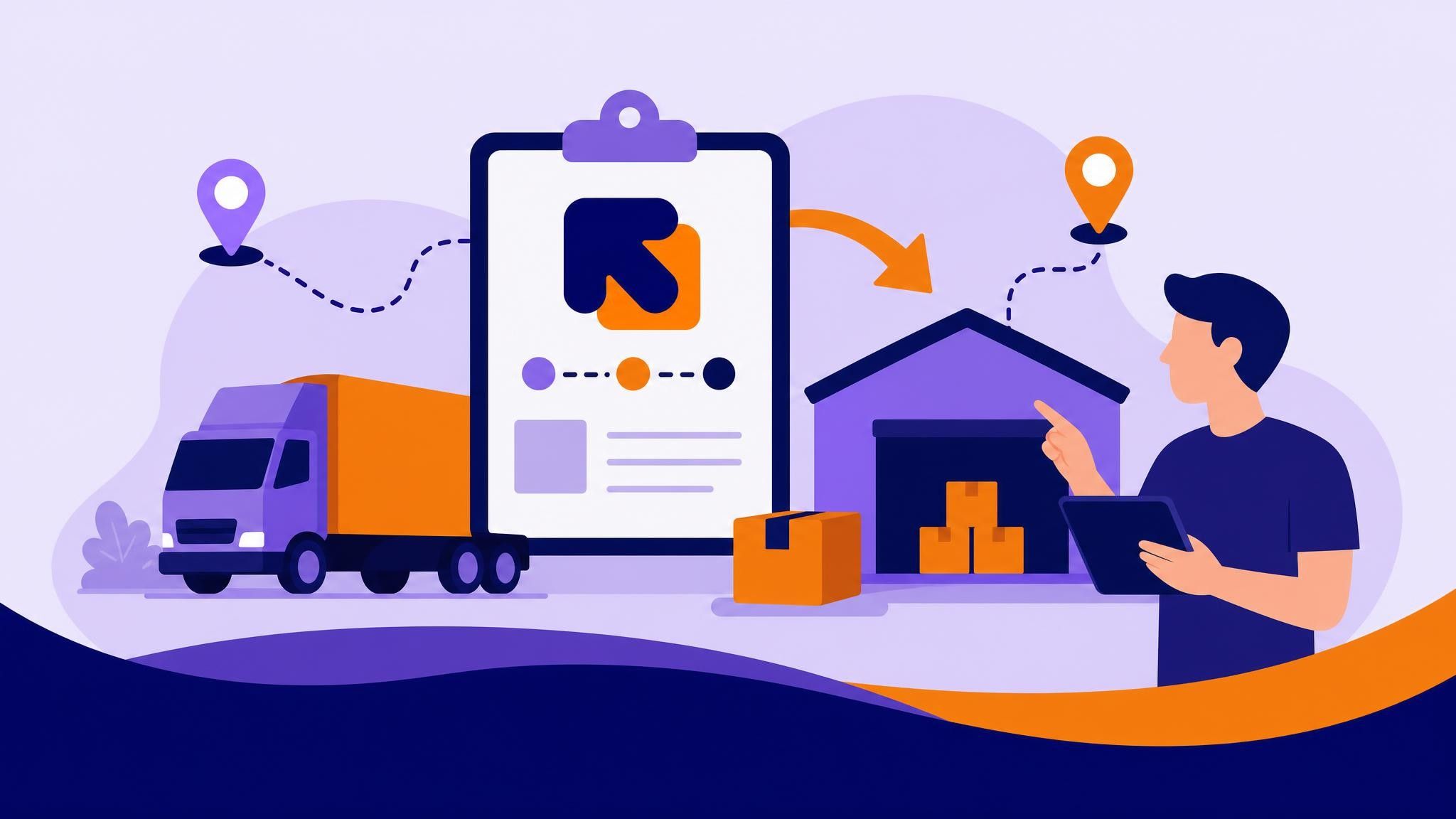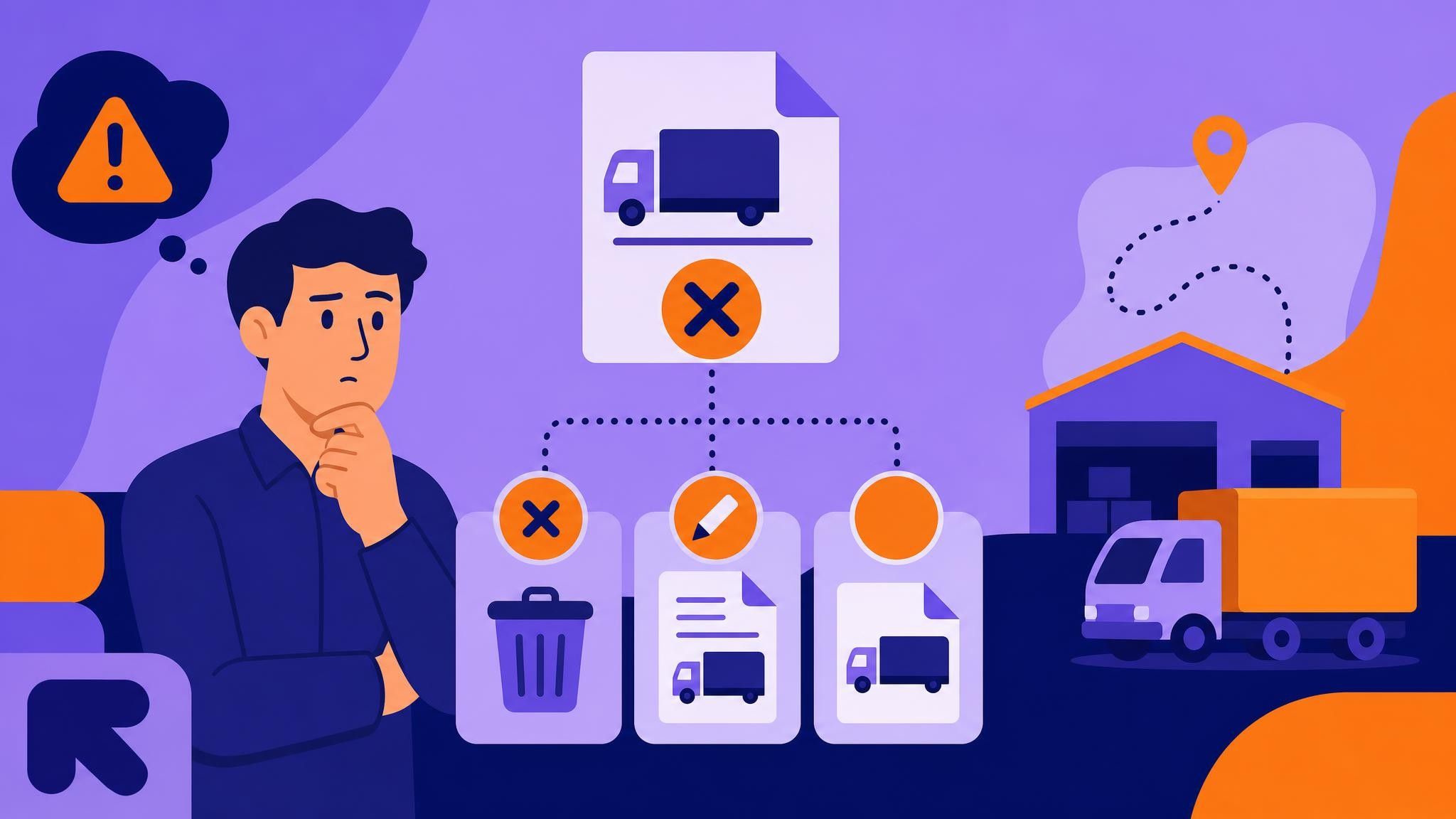
The pressure for tighter deadlines, cost control, and real-time customer updates has never been higher in logistics operations. In environments where every minute counts, manual tasks — like updating spreadsheets, sending status messages, or rescheduling deliveries — introduce friction, rework, and communication gaps. This is where logistics automation changes the game.
In this guide, you’ll learn how Meu Rastreio’s Automacoes helps fleet managers, logistics operators, and back-office teams turn critical routines into automatic, scalable, and reliable flows—without losing operational control.
What is Meu Rastreio Automacoes? Automacoes is a Meu Rastreio capability that lets you create smart rules for your end-to-end operation. Based on tracking events, deadlines, geolocation, and delivery/pickup statuses, you define what should happen—automatically. Think of a “trigger → condition → action” model to reduce repetitive tasks, standardize processes, and react faster to exceptions.
- Triggers: events like “order out for delivery,” “idle for 20 minutes,” “late delivery,” “driver entered the customer geofence.”
- Conditions: business criteria (order priority, region, cargo type, service window, SLA).
- Actions: send alerts or messages, update status, open a task, notify internal teams, replan a route, request confirmation, escalate to a supervisor.
All with a simple interface, real-time visibility, and audit-ready logs. Learn more on the product page: https://meurastreio.app/pt-BR/automacoes
Common challenges without logistics automation
- Reactive communication: the customer calls to ask where the delivery is; the team calls the driver; time passes and the issue grows.
- Lack of standardization: each operator handles exceptions differently, creating errors and inconsistencies.
- Too many manual tasks: blasting emails, updating spreadsheets, phone follow-ups.
- Low predictability: late detection of delays and limited visibility into SLA compliance.
- Hidden costs: rework, redeliveries, and team hours consumed by activities that could be automated.
These issues directly impact OTIF, lead time, cost per delivery, and customer satisfaction.
How Automacoes solves it: from event to action, without friction
- Triggers tied to the real world
- En-route delay based on ETA.
- Arrival/departure at a stop (geofencing).
- Idle time above threshold.
- Status changes (pickup completed, delivery failed, POD attached).
- Broken service window.
- Conditions that reflect your business
- Operation type (B2C, B2B, last mile, pickup).
- Order or customer priority (VIP, perishable, pharmaceutical).
- Region/route, time slot, municipal restrictions.
- Contract-specific SLAs.
- Actions orchestrated automatically
- Multichannel notifications to customers and drivers (email, SMS, WhatsApp, push).
- Internal alerts for support, customer service, and supervisors.
- Task creation with due date and owner.
- Status and evidence updates in shared tracking.
- Triggers for route replanning or rescheduling with confirmation.
The result is a more proactive operation with fast, standardized responses, end-to-end visibility, and less dependence on manual work.
Practical, measurable benefits
- Lower operating costs: fewer reworks, redeliveries, and hours spent on follow-ups.
- Operational efficiency: faster exception response times and standardized processes.
- SLA improvements: tighter control over service windows and on-time performance.
- Better customer experience: proactive communication, clear tracking statuses, and accessible proof of delivery.
- Scalability: grow operations without multiplying admin tasks.
- Governance and compliance: audit trails, standardization, and adherence to internal policies and LGPD.
KPIs to monitor
- OTIF (On Time In Full).
- Alert response time.
- Redelivery and failure rates.
- Cost per delivery/pickup.
- Customer service contact volume.
- NPS/CSAT after delivery.
Use cases: logistics automation in action E-commerce B2C (last mile)
- When the driver enters the customer area, send an automatic message with ETA and receiving instructions.
- If the delay exceeds X minutes, notify the customer with a new estimate and open a replanning task.
- On delivery completion, share proof (photo/signature) and trigger a satisfaction survey. Expected results: fewer calls to customer service, higher first-attempt delivery rates, and greater transparency for end customers.
B2B pickups with time windows
- 30 minutes before the window, remind the driver with documents and on-site contact info.
- If the pickup doesn’t start by the end of the window, alert the supervisor and suggest route reordering.
- When the pickup is completed, auto-update the status and inform the shipping team. Expected results: better window adherence, fewer cascading delays, and improved fleet utilization.
Sensitive products (pharmaceutical/perishable)
- If the route exceeds the maximum planned time, notify the quality control team.
- On critical route deviation, escalate to coordination with high priority.
- At delivery, trigger a mandatory digital checklist before finalizing the status. Expected results: regulatory compliance and fewer losses.
Regional operations at scale
- On detecting stop accumulation above the limit on a route, automatically open a fleet-reinforcement task.
- On peak days, apply prioritization rules for critical orders to reduce bottlenecks.
- Proactive ETA notifications for receiving stores/units. Expected results: balanced demand and capacity, less operational congestion, and better predictability.
Best practices for implementing logistics automation
- Map your end-to-end journey: from order intake to final proof. Identify repetitive steps and bottlenecks.
- Prioritize the biggest pain points: start with automations that affect SLA, cost, and customer satisfaction.
- Use the “trigger–condition–action” principle: keep rules simple, clear, and testable.
- Start small, iterate fast: deploy a few rules, validate results, and scale gradually.
- Standardize messages and policies: consistent language reduces doubts and errors.
- Configure alerts by criticality: not everything needs to escalate to a supervisor. Define levels.
- Establish governance: assign owners, permissions, and rule review cadences.
- Measure and adjust: track KPIs and refine automations with real data.
- Train the team and inform customers: transparency increases adoption and reduces friction.
Trends shaping logistics automation
- Predictive intelligence: delay forecasting based on history, traffic, and seasonality to trigger flows before issues arise.
- Collaborative visibility: controlled status sharing with customers, partners, and branches.
- Continuous integration with TMS, WMS, and ERPs: fewer silos, more actionable data.
- Operational sustainability: automations that avoid empty trips, prioritize consolidation, and reduce emissions.
- Conversational experiences: notifications and confirmations via customers’ preferred channels, with clear, action-oriented language.
- Security and privacy: data governance and LGPD adherence as a baseline requirement.
Why choose Meu Rastreio Automacoes?
- Logistics-first: rules and events tailored to real transport and distribution operations.
- Intuitive, no-code interface: build and adjust flows quickly without IT.
- Rich tracking triggers: real-time location, timing, and status events.
- Multichannel actions: internal alerts, messages to customers and drivers, automatic status updates.
- Templates and best practices: accelerate adoption with ready-made models you can adapt.
- SaaS scalability: performance and reliability for growing operations.
- Security and compliance: access controls and activity logging for audits.
In short, Automacoes turns manual processes into intelligent flows, boosts operational efficiency, and elevates the customer experience—without adding complexity.
Conclusion: put your operation on autopilot (with full control) Automation isn’t about removing people; it’s about freeing them to solve what truly matters. With Meu Rastreio Automacoes, you standardize processes, react to exceptions faster, and deliver a clear, proactive tracking experience.
Ready to see how logistics automation can cut costs and increase your operational efficiency in practice?
- Book a free Automacoes demo: https://meurastreio.app/pt-BR/automacoes
- Prefer to speak with a specialist? Contact us and design your first flow tailored to your operation.