Maximizing results with real personalization—done right: tips and strategies
In logistics, operational detail is what separates an excellent delivery from an “okay” one. Increasingly, the detail that most impacts experience, efficiency, and cost is personalization—not just branding, but processes, statuses, notifications, integrations, and dashboards. Real personalization means shaping the platform to match how you operate, without side spreadsheets, workarounds, or rework.
This article is a practical guide for fleet managers, logistics operators, administrative teams, and route planners on how to apply personalization with ROI in mind—and how Meu Rastreio can speed that journey with advanced, easy-to-govern personalization features.
What “real personalization” means in logistics
Changing colors and adding your logo is aesthetic personalization. Valid, but limited. Real personalization is when the system reflects your business end to end:
- Status names and stages that make sense for your operations.
- Fields and forms that capture the data critical to your analysis.
- Rules and automations aligned to each client’s SLA.
- Tracking pages and notifications in your audience’s language and tone.
- Dashboards and KPIs by operation, branch, route, and client.
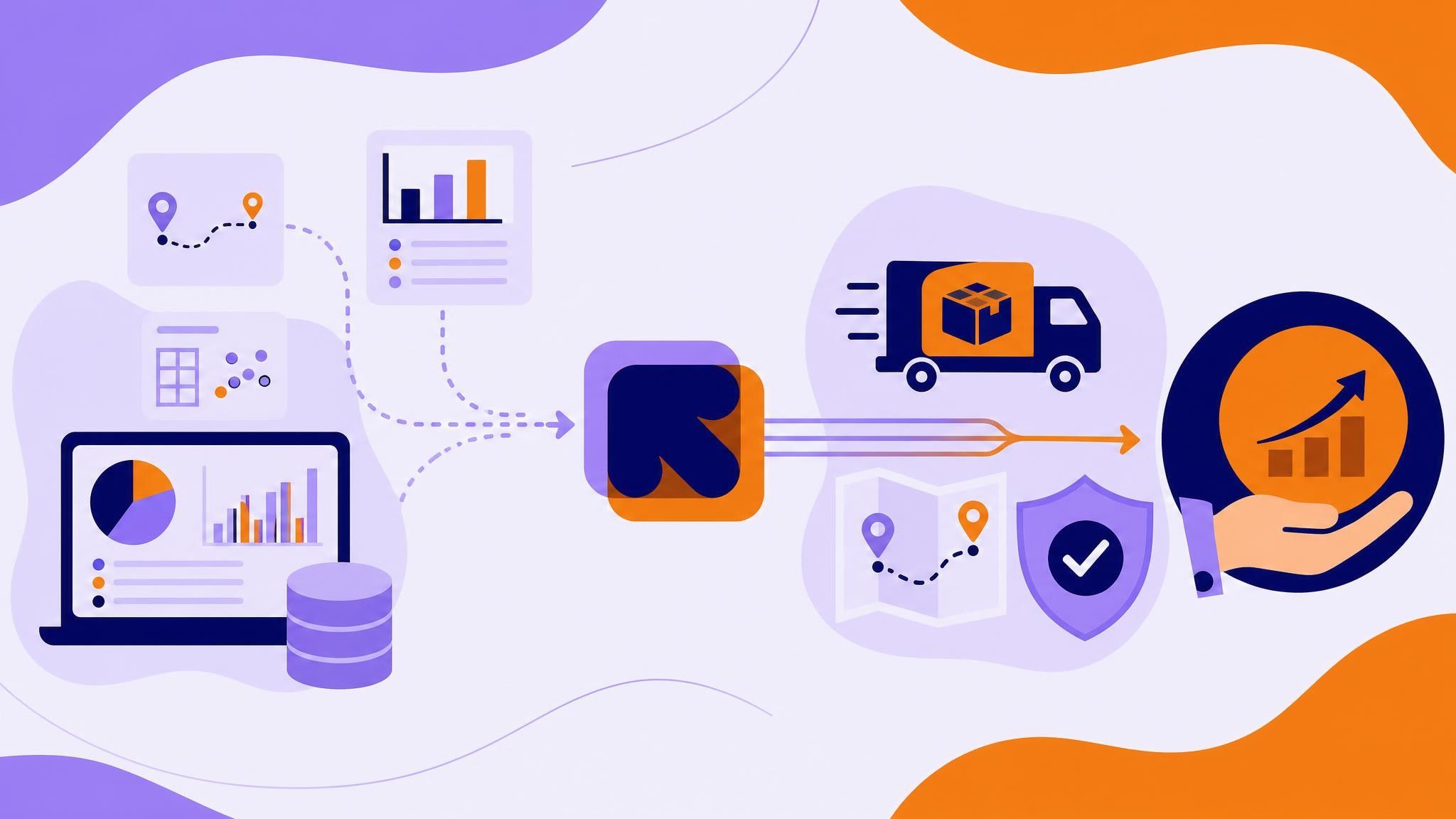
- Integrations that connect ERP, TMS, e-commerce, and support in real time.
This layer transforms efficiency and experience: fewer doubts, less rework, more predictability and control.
Common pains personalization solves
- Generic statuses that confuse customers and your support team.
- One-size-fits-all notifications that trigger unnecessary calls.
- Missing specific data (e.g., customer order number, delivery window) scattered in “misc” fields or spreadsheets.
- Manual flows for recurring exceptions, increasing cost per delivery.
- Dashboards that don’t reflect operational reality, slowing decisions.
- Difficulty standardizing multi-contract or multi-branch operations.
A 5-step strategy to personalize the right way
- Map journeys and exceptions
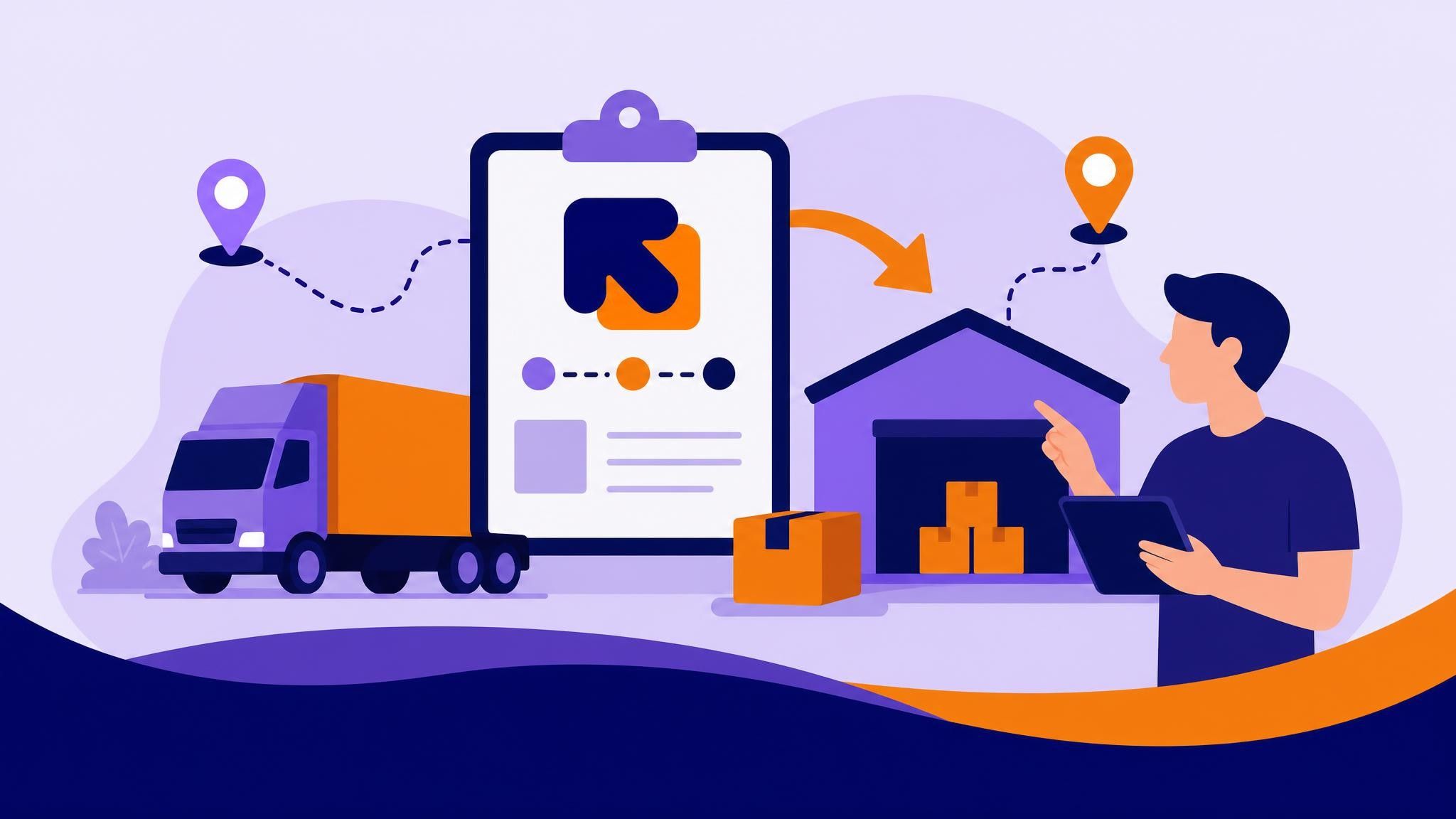
- Sketch the order journey: origin, pickup, sortation, route, attempt, delivery, post-delivery.
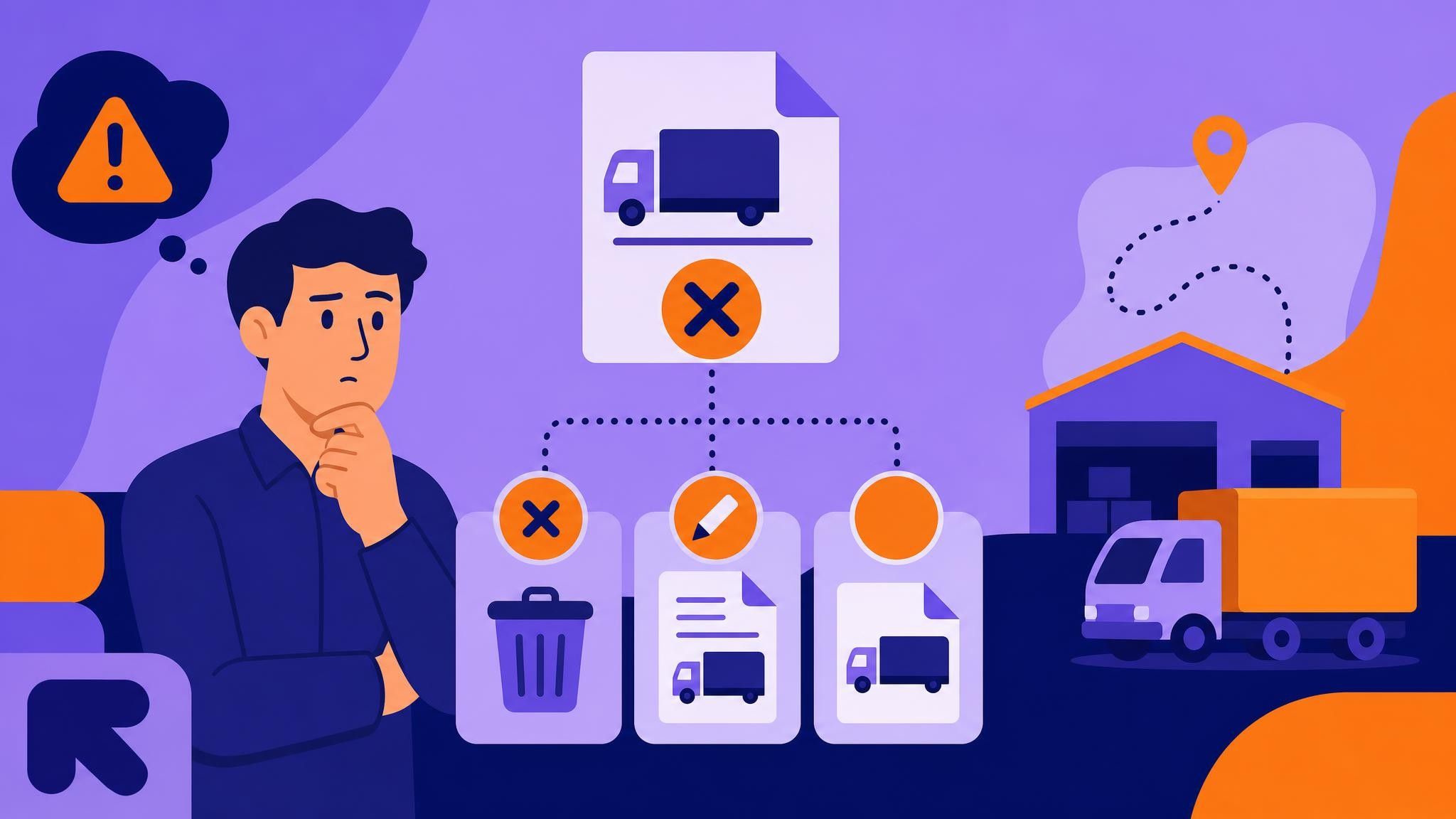
- List frequent exceptions (incomplete address, recipient unavailable, damage, handoff to partner carrier).
- Prioritize what moves the needle
- Choose 3–5 initial levers with direct impact: clear statuses, proactive notifications, critical fields, and 1–2 automations.
- Model data and governance
- Define required fields, naming standards, and who can edit what.
- Avoid “generic fields” that become data junk drawers.
- Standardize, test, and scale
- Create templates for notifications, workflows, and dashboards. A/B test messages. Roll out in waves.
- Measure continuously
- Compare before-and-after metrics: support contacts, cycle time, on-time delivery rate, and cost per delivery.
What to personalize in practice (and why)
Customized tracking page and branding
- Use your logo, colors, domain, and copy in your brand’s voice.
- Show clear statuses, estimated timelines, and the next step.
- Benefit: reduces doubts, builds trust, and standardizes the end-customer experience.
Proactive notifications and dynamic templates
- Create different messages per event (pickup, out for delivery, attempt, exception, delivered).
- Use variables (customer name, delivery window, tracking link) and the right channels (email, SMS, WhatsApp).
- Benefit: fewer support tickets and higher NPS.
Custom fields and statuses
- Adapt naming by contract: “Inspection at DC,” “Awaiting window,” “Forwarding to partner carrier.”
- Set essential required fields (e.g., customer ID, invoice number, load type).
- Benefit: higher data quality and more accurate reporting.
Automation and operational rules
- Trigger automatic notifications based on SLA delay, event, or geofence.
- Route occurrences to a specific queue (e.g., damage to Quality/QA).
- Benefit: faster responses, fewer manual errors, and tighter SLA control.
Dashboards and KPIs by operation
- Panels by client, route, service area/zone, and partner carrier.
- Core KPIs: OTIF, cycle time, first-attempt delivery rate, exception rate, route productivity, cost per delivery.
- Benefit: faster, data-driven decisions.
Integrations and webhooks
- Connect ERP, WMS, TMS, e-commerce, and support for automated event and document exchange.
- Use webhooks to fire real-time events and eliminate manual reconciliations.
- Benefit: less rework and consistent data across systems.
Profiles, permissions, and audit
- Differentiate what drivers, operators, supervisors, and clients can see.
- Control sensitive edits (SLA, final status, proof of delivery).
- Benefit: security, traceability, and compliance.
Metrics that prove the impact
- Support: reduction in “where is my order?” contacts, AHT, and repeat contacts.
- Operations: shorter cycle times, more deliveries per route, fewer recurring exceptions.
- SLA/Service level: improved OTIF and first-attempt delivery rate.
- Customer: higher NPS, CSAT, and clicks on useful notifications.
- Financial: lower cost per delivery and fewer overtime hours spent on rework.
Tip: set a baseline before activating personalizations and track weekly for the first 8–12 weeks.
Three quick application examples
-
E-commerce with seasonal peaks
- Personalize messages by category (fragile, high value), delivery windows, and return policies.
- Impact: fewer reactive contacts and better end-customer preparedness.
-
Manufacturer with an in-house fleet
- Define technical statuses and DC inspection fields; automate delay alerts using geofences.
- Impact: predictability for sales and fewer penalties for missed windows.
-
Multi-contract 3PL operator
- Create dashboard templates per client and customized SLA rules.
- Impact: standardization without losing each contract’s specifics.
Trends and best practices in logistics personalization
- Context over volume: personalize by event, journey, and need—not just “more messages.”
- Audience segmentation: drivers, B2B/B2C customers, and agents need different information.
- Test and learn: A/B test notification content and timing to find the optimal point.
- Privacy and compliance: handle data with consent, transparency, and clear policies.
- Scalable simplicity: standardize components (statuses, templates, widgets) to maintain governance.
How Meu Rastreio helps you personalize end to end
Meu Rastreio is a logistics SaaS built to be shaped to your business, with personalization layers that balance flexibility and governance. In practice, you can:
- Apply your visual identity and domain to the tracking page, with customizable copy and components.
- Configure statuses and stages using your operation’s nomenclature, including exceptions and per-contract rules.
- Create custom fields and validations to ensure consistent data from the start.
- Orchestrate proactive notifications across multiple channels with dynamic templates.
- Define automations and SLA rules that trigger actions by event, delay, location, or profile.
- Build bespoke dashboards and reports by client, route, service area, and period.
- Integrate ERP, WMS, TMS, and e-commerce via API and webhooks for real-time events.
- Control profiles, permissions, and audit trails with granular access.
- Count on specialized support for flow design and best practices.
Learn more about Meu Rastreio Personalization: meurastreio.app/pt-BR/personalizacao
Step-by-step to get started today
- Run a quick diagnosis: what are the top 5 questions in your support channel and the 3 most common exceptions?
- Select 3 high-impact personalizations: clear statuses, notification templates, and 1 SLA automation.
- Define KPIs and a target: for example, -30% reactive contacts and +10% OTIF.
- Implement in a pilot operation and scale in waves.
Conclusion and next step
Real personalization isn’t cosmetic; it’s the silent engine that reduces costs, boosts efficiency, and elevates customer experience. By aligning statuses, data, automations, integrations, and communication to the way you operate, you build a more predictable, scalable, and profitable operation.
Meu Rastreio was designed to put this personalization within reach—with fast implementation and strong governance.
Ready to see it in action for your operation?
- Book a free demo with a Meu Rastreio specialist.
- Bring your flows, SLAs, and use cases: we’ll configure a results-driven pilot together.