The modern logistics operation is a living organism: more demanding customers, tighter delivery windows, multiple modes, partners, and systems that don’t always talk to each other. In this context, the lack of true end-to-end visibility and reactive incident handling drive up costs, rework, and customer friction.
The Meu Rastreio Control Tower was built to flip that script. By centralizing data, monitoring events in real time, and orchestrating actions across your network, it turns a firefighting operation into a leader in efficiency, predictability, and customer experience—without unnecessary complexity.
The current challenge in logistics operations
Before the solution, it’s worth restating the day-to-day pains fleet and logistics leaders face:
- No real-time visibility across pickups, transfers, and deliveries.
- Difficulty predicting SLA risks and delays in time to act.
- Fragmented communication with carriers, drivers, and end customers.
- Excess manual follow-ups and phone/spreadsheet reconciliation.
- Low process standardization across branches, partners, and modes.
- Limited measurement of critical KPIs (OTIF, OTD, dwell time, reattempts).
- Hard to scale without increasing operating cost.
These friction points erode margins, hurt customer experience, and stall growth. That’s where a logistics Control Tower makes the difference.
What is a logistics Control Tower?
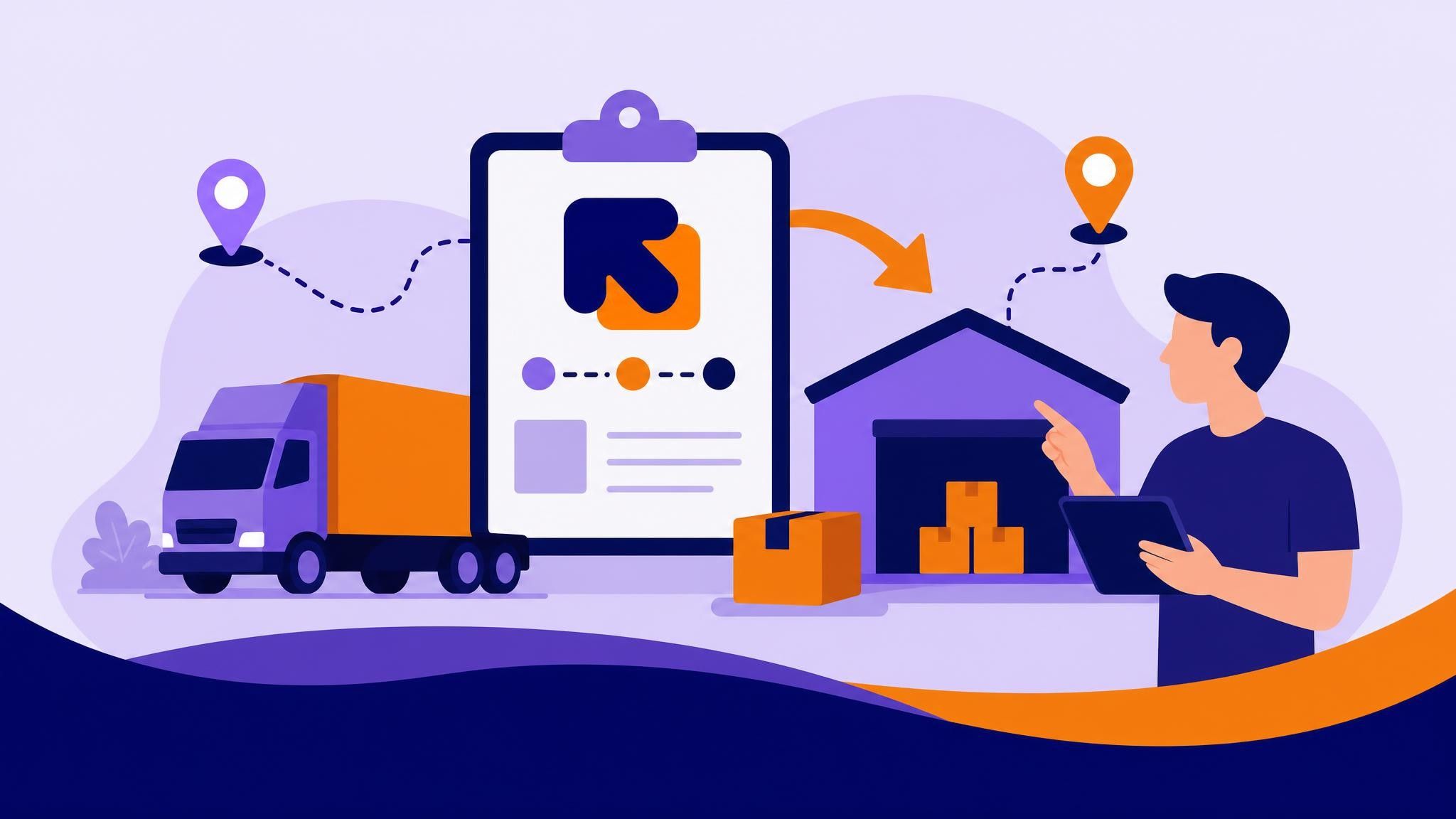
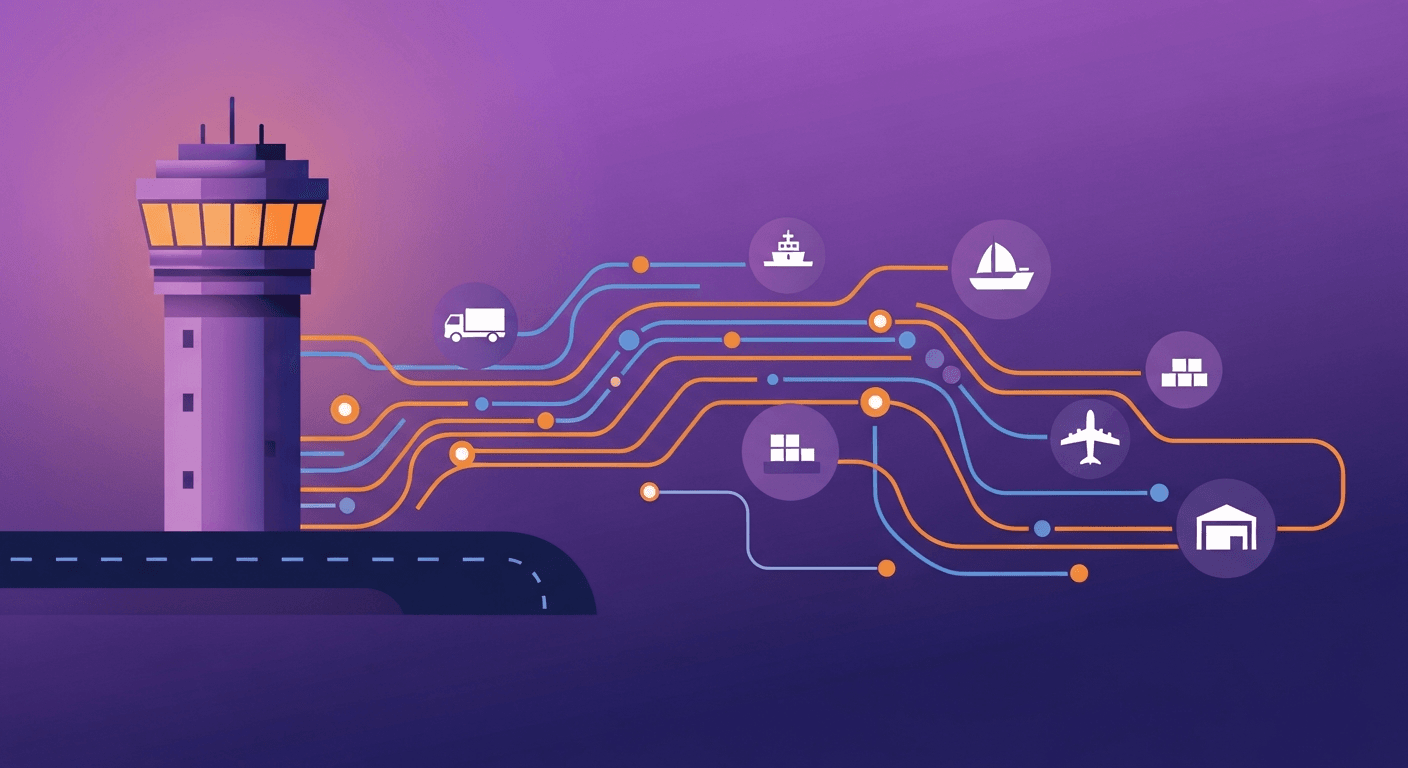
Think of the Control Tower as your operational brain: a single environment that unifies data from many sources, shows real-time status across the operation, and triggers alerts and workflows to resolve issues before they become crises.
In practice, it integrates systems (ERP, TMS, WMS), telematics, and driver apps, consolidating everything in one pane of glass with true end-to-end visibility—from pickup to proof of delivery. Your team moves from reactive mode to proactive management of exceptions, SLAs, and customer experience.
How the Meu Rastreio Control Tower works in practice
End-to-end, real-time visibility
- Unified map with the status of every trip, vehicle, and order.
- Predictive ETAs with continuous route updates.
- Geofencing for entrances/exits at hubs, stores, and customer locations.
- Event timelines per order, with full traceability.
Proactive exception and SLA management
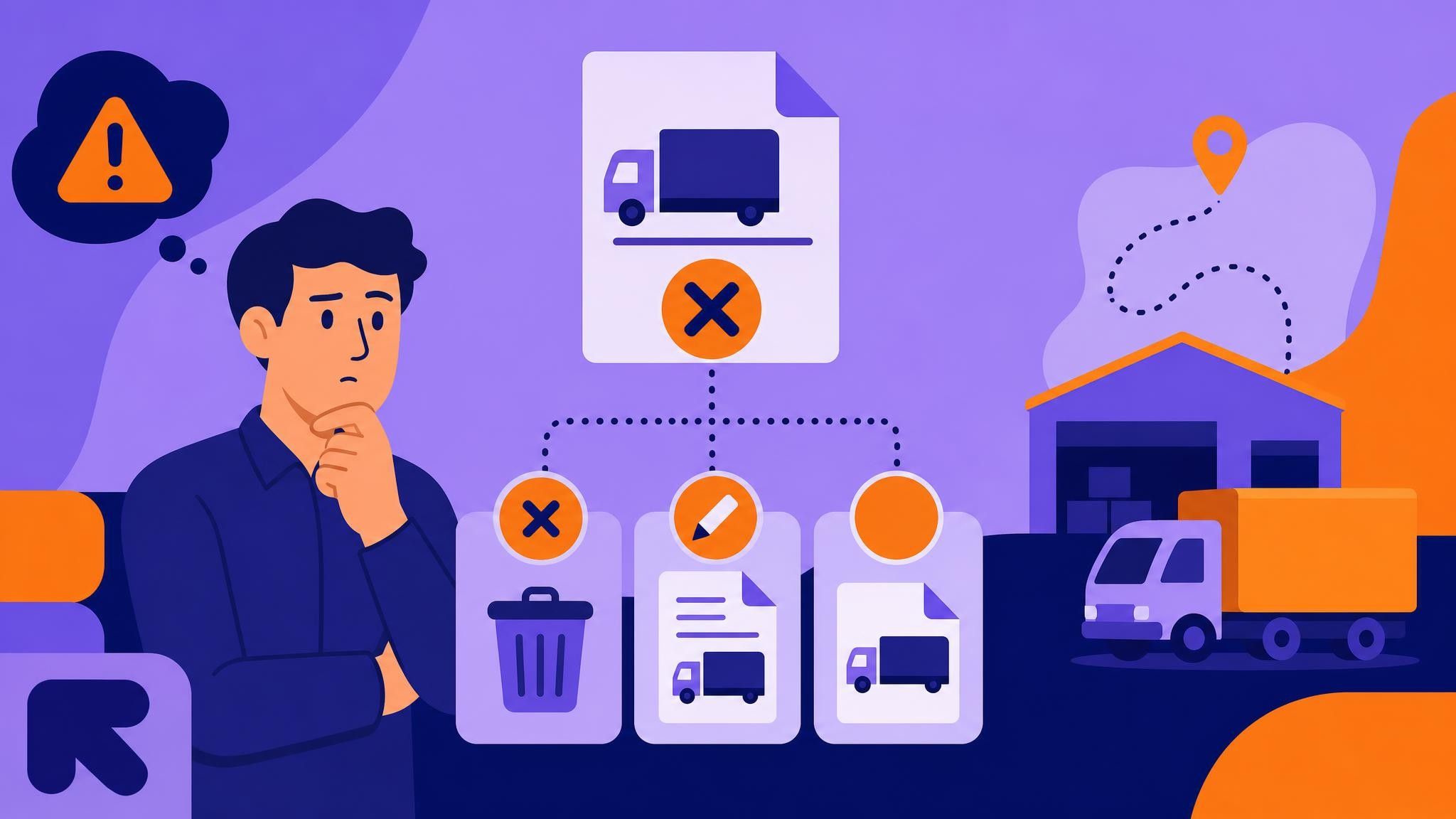
- Smart alerts for risk of delay, unplanned stops, and route deviations.
- Exception queues prioritized by impact (e.g., VIP, perishable, high value).
- Playbooks that define what to do, who to involve, and by when.
Unified communication with drivers and customers
- Direct channel with drivers and standardized instructions.
- Automated customer notifications (ETA updates and delivery windows).
- Digital proof of delivery (POD): photo, signature, and notes in seconds.
Performance-driven indicators and analytics
- Dashboards for OTIF, OTD, delivery attempts, cycle time, and productivity.
- Side-by-side comparisons by carrier, region, route, customer, and service type.
- Identification of recurring bottlenecks (misaligned windows, problematic addresses).
Integration with your ecosystem
- Connects to ERPs, TMS, WMS, telematics, and logistics partners.
- Data standardization for a single source of truth, regardless of partner.
- No-hassle automated workflows aligned to your business rules.
Security and governance
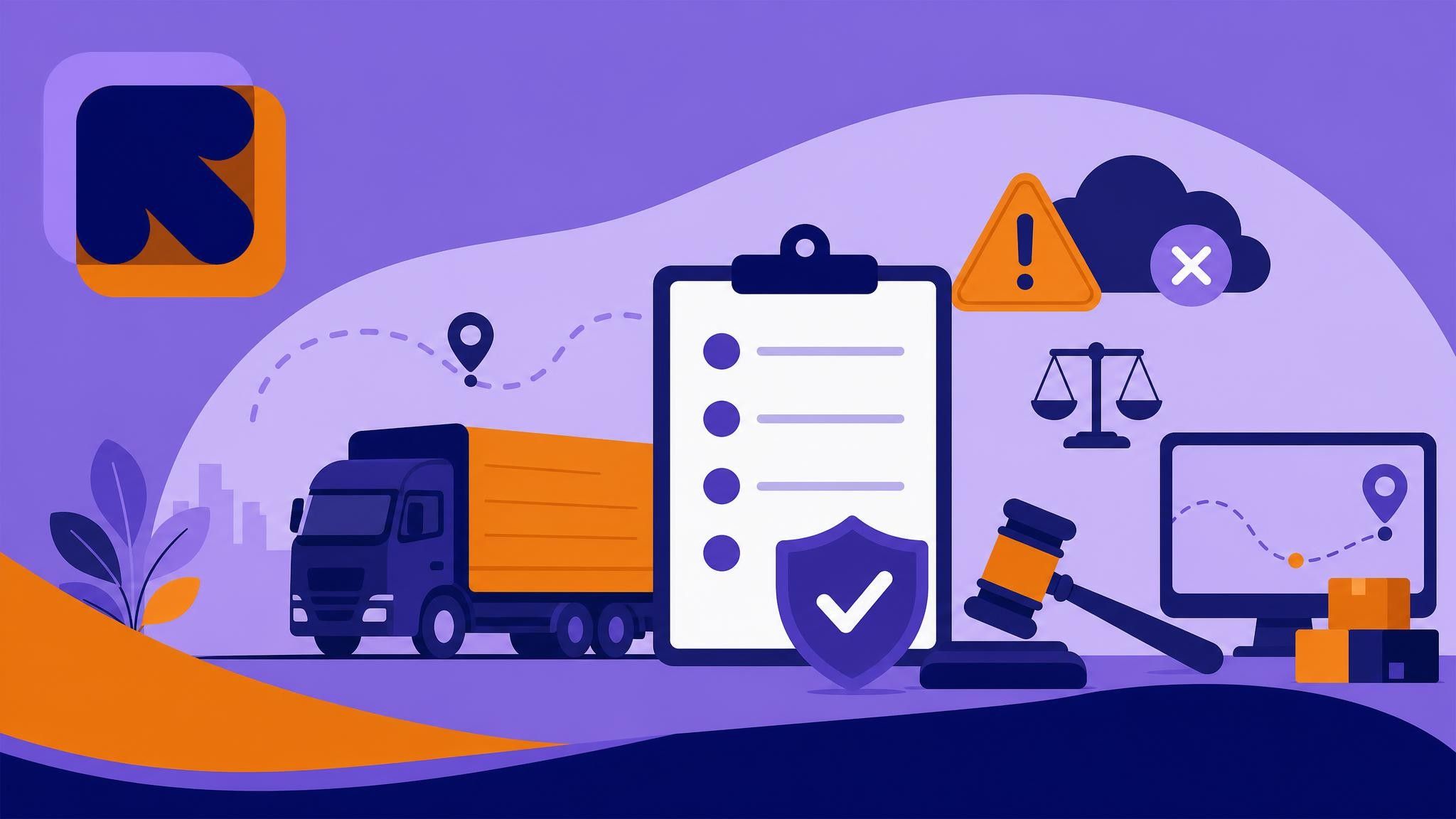
- Role-based access and full audit trails.
- Data reliability and consistency for confident decision-making.
Practical, measurable benefits
By adopting the Meu Rastreio Control Tower, operations commonly see:
- Lower operating costs by eliminating rework and unnecessary mileage.
- Higher on-time performance (OTIF/OTD) through proactive exception handling.
- Fewer inbound “Where is my order?” calls and emails.
- Higher team productivity without a proportional increase in headcount.
- Standardized processes across branches, carriers, and modes.
- A superior end-customer experience through clear, predictable communication.
Illustrative impact example
- Before: 1,000 deliveries/day, 12% reattempts, 18% delays, 400 daily “Where’s my order?” contacts.
- After 60–90 days with the Control Tower: reattempts drop to 7–8% via window confirmations; delays to 9–10% with risk alerts; reactive contacts down ~40% thanks to proactive notifications and a tracking portal.
Results vary by segment, but the logic is consistent: more visibility and standardization mean less cost and friction.
Use cases that showcase the transformation
Last-mile B2C
- More accurate ETAs, customer presence confirmation, and digital POD.
- Fewer failed attempts and higher NPS.
Regional B2B distribution
- Tight control of delivery windows at stores and DCs using geofencing and priority rules.
- Less dwell time and higher productivity per route.
Collections and reverse logistics
- Smart scheduling, automated communications, and full reverse-cycle tracking.
- Faster refunds or exchanges and fewer support tickets.
Multi-carrier operations
- Performance comparisons by partner and region.
- Orchestration based on SLA and cost with auditable rules.
Trends that amplify the Control Tower
- Predictive ETAs and dynamic optimization: real-time data recalculates ETAs and routes based on traffic and delivery windows.
- Exception-driven automation: process bots trigger tasks when relevant deviations occur.
- Logistics customer experience: self-service tracking and contextual notifications drive satisfaction and loyalty.
- ESG and route efficiency: less empty mileage and better window utilization contribute to emissions targets.
- Open ecosystem integration: connectivity with partners and platforms enables a truly collaborative chain.
How to implement without friction: a practical roadmap
- Discovery and goals
- Map critical KPIs (OTIF, reattempts, cycle time, cost per delivery).
- Set realistic phased targets (e.g., -20% reattempts in 90 days).
- Integrations and data
- Connect ERP/TMS/WMS and priority telematics sources.
- Standardize events and masters (branches, SKUs, customers, windows).
- Value-focused pilot
- Start with a high-impact region/service line.
- Activate exception alerts, customer communications, and digital POD.
- Scale and governance
- Expand to additional routes and partners.
- Establish D-1 and weekly performance rituals using Control Tower dashboards.
- Continuous improvement
- Refine SLA rules and playbooks based on learnings.
- Maintain a data-driven backlog of optimizations.
How to prove the Control Tower ROI
Build a simple business case combining direct and indirect gains:
- Direct: fewer reattempts, reduced kilometers/miles, fewer idle hours, lower service costs.
- Indirect: higher OTIF/OTD, customer retention, process standardization, fewer risks and fines.
Example calculation
- Reduction of 50 reattempts/day at an average cost of BRL 35 each = BRL 1,750/day.
- Reduction of 150 support contacts/day at BRL 6 per contact = BRL 900/day.
- Estimated operational gain: BRL 2,650/day. Over 22 business days, ~BRL 58,300/month—plus brand gains and preserved revenue.
Why choose the Meu Rastreio Control Tower
- Built for logistics: purpose-built for daily operations, not a generic BI.
- Truly unified view: from order to proof of delivery in a single place.
- Proactive by design: smart alerts, predictive ETAs, and actionable playbooks.
- Frictionless experience: driver and end-customer communications embedded in the flow.
- Fast time-to-value: agile integrations, rule-based configuration, and consultative support.
- Scalable and secure: strong data governance and role-based access control.
Conclusion: turn visibility into outcomes
A Control Tower is more than a pretty dashboard—it’s the backbone of a predictable, efficient, and customer-centric logistics operation. By unifying data, anticipating problems, and standardizing actions, you cut costs, meet SLAs consistently, and elevate the end-to-end experience.
Ready to see and steer your operation in real time?
Book a free demo of the Meu Rastreio Control Tower and learn how to accelerate results with visibility and action in one place: https://meurastreio.app/pt-BR/torre-de-controle