Complete Guide: Optimize Your Operations with Digitalization
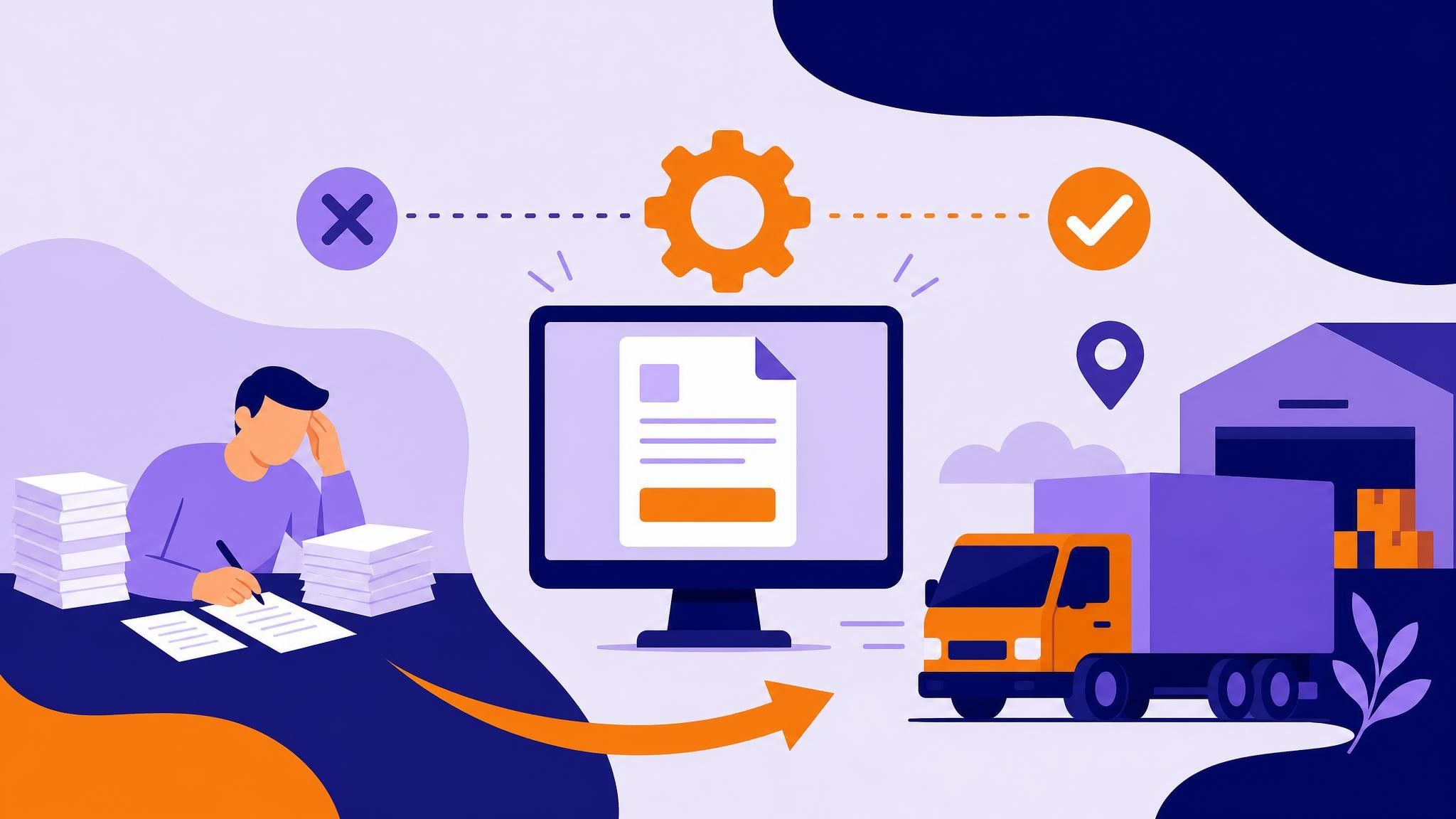
The pressure for efficiency in logistics operations has never been higher. Shorter lead times, tight cost control, frequent audits, and customers demanding real-time visibility make paper-based process management unviable. Lost documents, rework, and billing delays directly impact financial health and the customer experience.
Logistics digitalization is the path to unlocking productivity and cutting costs without reinventing your entire operation. This guide shows how to apply digitalization in a practical, measurable way—and how Meu Rastreio’s Digitalization can accelerate ROI, from proof of delivery to audit, with best-in-class automation and integration.
What logistics digitalization is (and why it matters now)
Digitalization means converting physical documents and processes into digital, structured, and actionable flows. In logistics, this includes:
- Proof of Delivery (POD/canhoto) with digital signature and photo
- CT-e, NFe, MDF-e, DANFE, and related transport documents
- Work orders, fleet checklists, reports, incidents, and damages
- Contracts, payment receipts, authorizations, and SOPs
Different from “just scanning,” modern digitalization structures data (with OCR and validation), connects systems (ERP/TMS/WMS), and enables automations that cut manual steps, speed up billing, and elevate service quality.
Why now:
- Shippers and customers demand instant digital evidence
- Audits and compliance (tax and LGPD) are more rigorous
- Paper, manual entry time, and physical storage costs have increased
- Lean teams need productivity, not repetitive tasks
Key pain points digitalization solves
- Lost documents and physical POD stubs
- Billing delays due to missing delivery proof
- Manual retyping and posting errors
- Lack of visibility into document status by trip/order
- Difficulty meeting SLAs, audits, and customer requirements
- High costs for printing, transporting, and filing paper
- Dependence on key individuals to locate information
How Meu Rastreio Digitalization works in practice
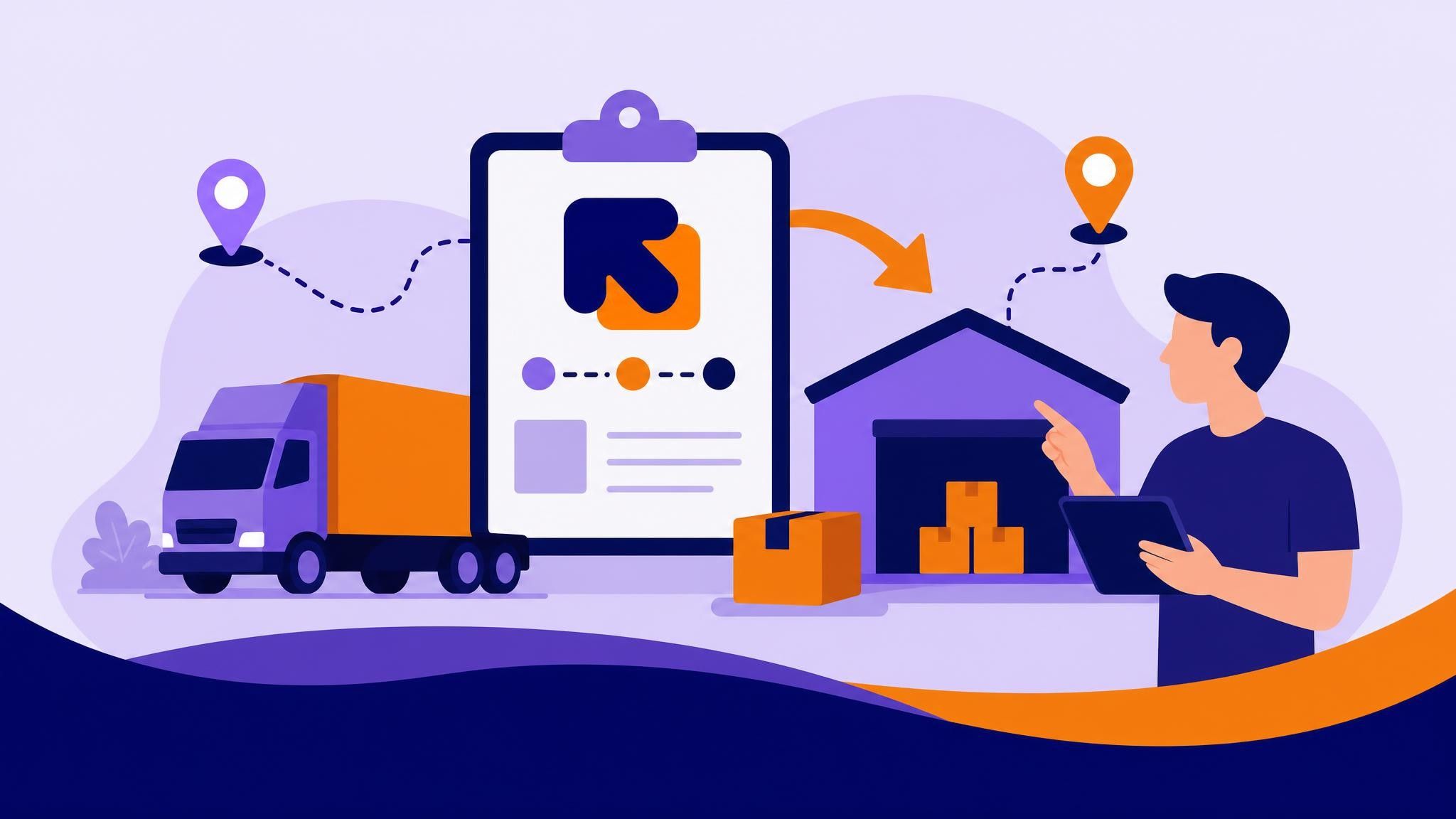
Meu Rastreio’s Digitalization turns field documents and evidence into reliable data linked to the trip, route, and order—all in one place. Learn more: https://meurastreio.app/pt-BR/digitalizacao
Omnichannel capture
- Driver app (camera, upload, recipient’s signature)
- Counter scanner, emails, and watched folders
- Web portal for bulk uploads
- Automatic import via API/webhooks
OCR and intelligent validation
- Data extraction (access key, CNPJ/tax ID, order number, license plate, packages, dates)
- Optimized reading for Brazilian logistics documents
- Validation rules (consistency, required fields, duplicates)
- Image quality checks and perspective correction
Indexing, linking, and audit
- Automatic association to trips, CT-es, orders, and events
- Versioning, audit trails, and access control
- Retention policies and LGPD compliance
- Advanced search by metadata (document, route, customer, date)
Workflows and automations
- Approval and routing by document type and SLA
- Event triggers: “POD received,” “ready to bill”
- Triggers for collections, finance, and customer service
- Real-time notifications for internal teams and customers
Ready-to-use integrations
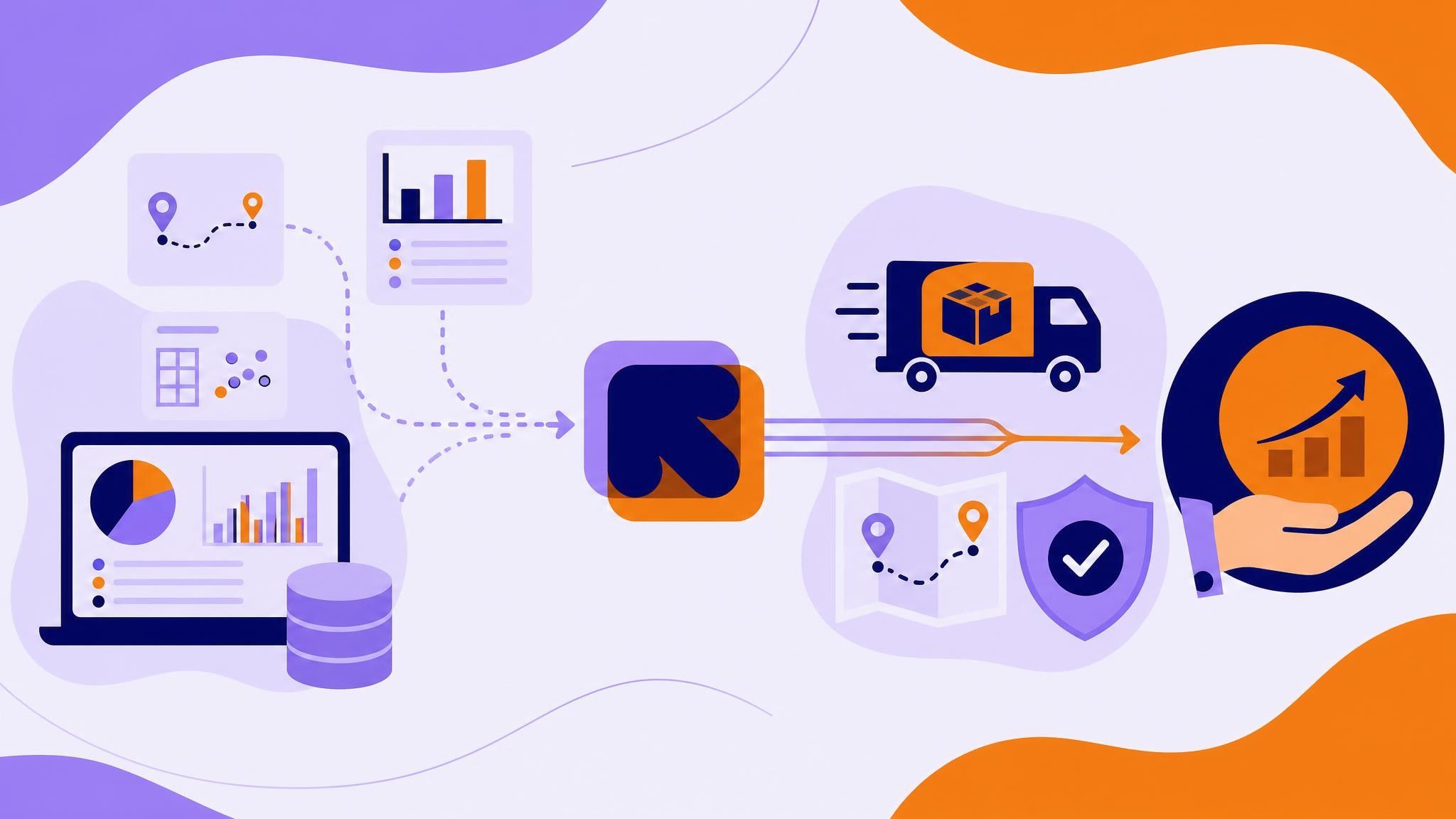
- APIs for ERP, TMS, WMS, and BI
- Webhooks that update statuses and feed dashboards
- Native integration with Meu Rastreio tracking modules
Result: your processes flow from the field to back office with fewer clicks, fewer errors, and more speed.
Practical, measurable benefits
- Faster billing: receive digital POD at the moment of delivery and shorten order-to-cash
- Lower operating cost: cut printing, paper transport, storage, and manual retyping
- Team productivity: free up hours for higher-value work
- Fewer disputes and deductions: rich evidence (signature, photo, geolocation, timestamp)
- Real-time visibility: document status by trip, branch, customer, or SLA
- Compliance and audit: complete trails and retention policies
- Customer satisfaction: faster responses and transparency
- Sustainability: less paper and fewer trips to collect documents
Hypothetical example (3PL profile, 120 drivers):
- Average billing lead time: from 5 days down to 2–3 days
- Reduction in manual retyping: ~60%
- Document loss: close to zero
- Back-office team reallocated to analysis and continuous improvement
Results vary by volume, customer mix, and process maturity, but the pattern is clear: digitalization pays for itself quickly.
Use cases that deliver immediate ROI
Final mile and B2B/B2C distribution
- Digital POD with signature and on-site photo
- Capture discrepancies (damage, absence, refusal) with evidence
- Automatic triggers to customer service or redelivery
Logistics operators (3PL/4PL)
- Centralize documents by contract/customer
- Document SLAs and audit dashboards
- Provide evidence to shippers via portal or API
Fleet management and maintenance
- Digital checklists (dispatch/return, tires, tachograph)
- Work orders and reports with photos and QR codes
- Centralized history by vehicle and component
Reverse logistics and returns
- Return authorization, labels, and receipts
- Item condition records and financial reconciliation
Finance and billing
- “Ready to bill” trigger upon POD confirmation
- Attachments and metadata in ERP/TMS to avoid discrepancies
- Collections support with delivery evidence
How to implement in 30 days: step by step
-
Quick assessment Map critical documents (POD, CT-e, WO), capture points, and bottlenecks (branches, key customers).
-
Flow and rule design Define SLAs, required fields, validations, and exceptions. Prioritize the happy path.
-
Meu Rastreio configuration Set document types, metadata, permissions, integrations (API/webhook), and notifications.
-
Controlled pilot Pick one branch/route, train drivers and back office, run for 2–3 weeks, and measure KPIs.
-
Adjustments and rollout Refine rules, then expand gradually to other routes and customers.
-
Continuous training Short, role-focused materials for drivers (app) and back office (dashboard).
-
Monitoring and improvement Weekly reviews in the first month, then biweekly. Automate what remains manual.
Recommended KPIs
- Average “delivery → billing” lead time
- On-the-spot POD capture rate (>95%)
- Manual retyping/rework (tickets per 100 deliveries)
- Disputes/chargebacks due to missing evidence
- Response time to audits
- Customer satisfaction (NPS/CSAT)
Best practices for success
- Capture at the source: the earlier, the better the quality
- Standardize fields and document names
- Create simple validation rules (CNPJ/tax ID, order number, license plate)
- Use sharp photos with correct orientation; validate at upload
- Give teams visibility: dashboards by route/customer
- Engage drivers with quick feedback and clear instructions
- Integrate only the essentials first; evolve afterward
Trends that will elevate digitalization in the coming years
- Advanced e-signatures and digital seals with geofencing
- AI to validate data consistency and detect document fraud
- Touchless automation between TMS/ERP and customer portals via APIs
- ESG indicators and paper reduction in sustainability reports
- Unified customer experience: tracking plus documentation in one portal
By adopting a solution already integrated with tracking and delivery context, digitalization stops being an isolated project and becomes the engine of operational efficiency.
Why Meu Rastreio is different
- Logistics-first: OCR and rules trained for Brazilian documents
- Simple, robust field capture: driver app works even with low connectivity
- Native integration with tracking and operations: automatic linking by trip/route
- APIs and webhooks to orchestrate ERP, TMS, and WMS without friction
- Governance and LGPD: security, audit trails, and access control
Conclusion: start small, capture big results
Digitalizing operations isn’t a months-long project—it’s a sequence of the right steps with clear metrics. By ensuring on-the-spot capture, automatic validation, and integration with your systems, you shorten the path from paper to billing, improve service quality, and gain predictability.
Want to see this in your context, with your documents and SLAs? Schedule a free demo with our specialists and explore Meu Rastreio’s Digitalization: https://meurastreio.app/pt-BR/digitalizacao