In logistics operations, every minute matters. Delays, unplanned overtime, lack of visibility into work shifts, and compliance risks can erode margins and hurt customer satisfaction. In this context, time and attendance tracking stops being a bureaucratic task and becomes a competitive advantage for fleet managers, logistics operators, and back-office teams.
In this guide, you will learn why digital time and attendance is essential to modern logistics, how to implement it end to end, and how Meu Rastreio’s Controle de Jornadas (Shift Control) increases efficiency, reduces costs, and strengthens operational safety — with zero friction for drivers and back-office teams.
Why time and attendance is crucial in logistics
Managing work hours in a distributed, field-based, 24x7 environment is challenging. Key pain points include:
- Little visibility into shift start/end, breaks, and overtime.
- Risk of fines and labor liabilities due to noncompliance with regulations.
- Difficulty reconciling time data with routing, dispatch, and delivery performance.
- Driver fatigue impacting safety and incident rates.
- Manual processes (spreadsheets, paper) that create rework and inconsistent data.
- Challenges scaling during peak seasons while keeping costs under control.
A well-implemented time and attendance system brings traceability, predictability, and governance — the foundation for faster, more accurate decisions.
What a logistics time and attendance system is and how it works
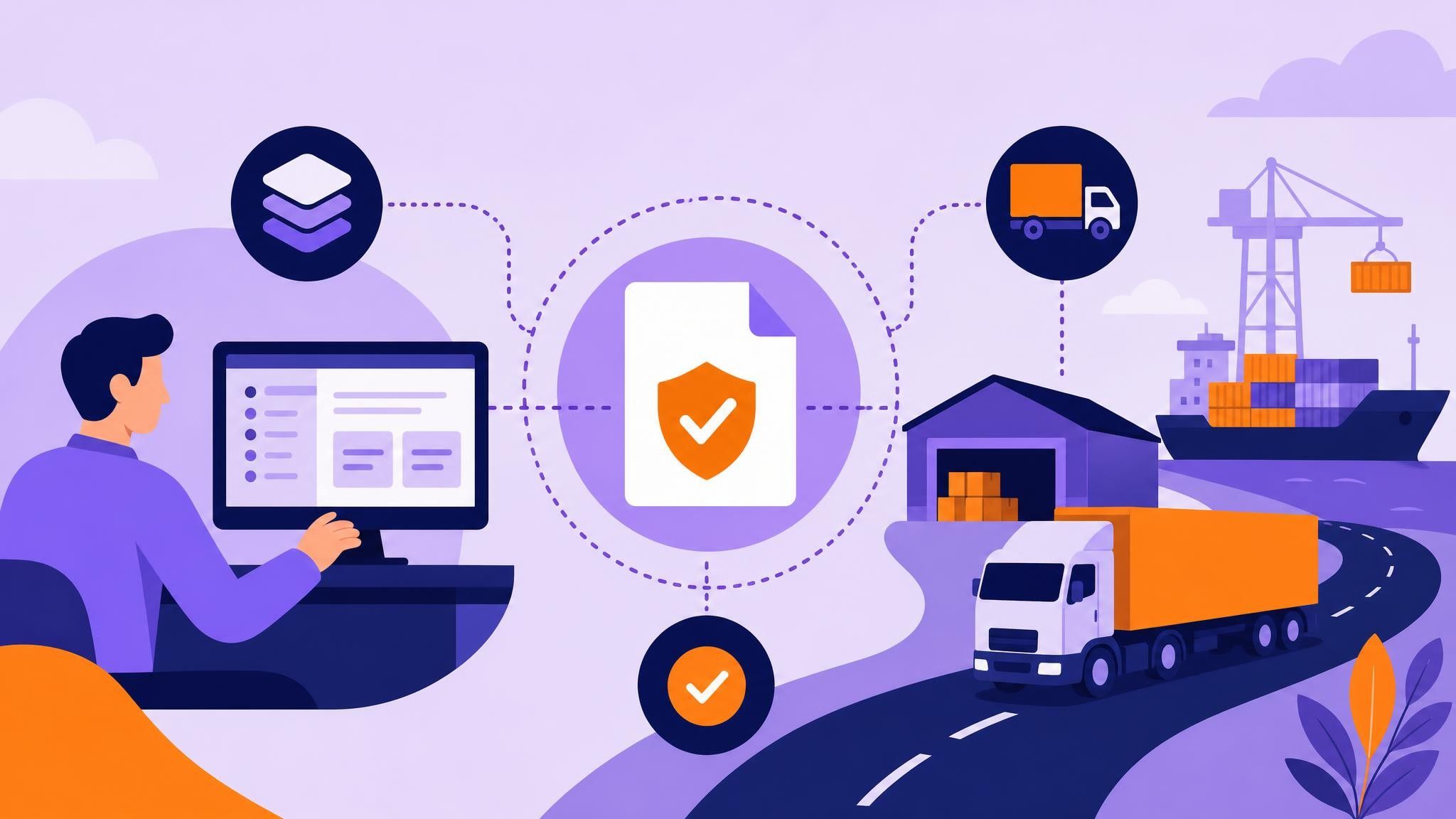
A logistics time and attendance system is a digital solution that records and manages the workday for drivers and field operations teams. It connects time records, location, shift rules, and operational KPIs to offer real-time visibility and reliable reporting.
Legal requirements in focus
In Brazil, time tracking must comply with labor law (CLT) and the specific rules for professional drivers (Motorist Law), including:
- Recording worked hours, breaks, and intervals.
- Limits and premiums for overtime and night shifts.
- Daily and weekly rest periods.
- Secure retention and integrity of records.
A suitable system helps enforce rules, alert managers to deviations, and maintain an auditable trail to avoid liabilities.
Essential features to look for
When evaluating solutions, prioritize capabilities that match the pace of your operation:
- Digital time clock via mobile app (start/end of shift, breaks, shift handoffs).
- Offline mode with automatic sync when back online.
- Geolocation and timestamp to validate events.
- Configurable rules by contract, operation, branch, and worker profile.
- Real-time alerts on excess hours, mandatory breaks, and fatigue risk.
- Ready-to-use dashboards and reports (overtime, night hours, breaks, adherence by team).
- Exports for payroll and audits (CSV/Excel/integrations).
- Integrations with vehicle tracking, TMS, ERP, and route planners.
- Access controls, encryption, and compliance with Brazil’s LGPD data protection law.
Practical, measurable benefits
When time tracking moves from manual to integrated into daily operations, results come fast:
- Reduced overtime and add-ons caused by poor planning.
- Legal compliance with accurate, auditable records.
- Operational safety: better break management and fatigue prevention.
- Dispatch efficiency: schedules aligned to real demand.
- Productivity: elimination of rework and manual reconciliation.
- End-to-end visibility: from planning to execution to payroll.
- Scalability: govern peaks with control and confidence.
Companies adopting digital time and attendance report efficiency gains, fewer deviations, and more predictable costs — especially when the tool connects with tracking and routing.
Use cases and real-world examples
-
Urban e-commerce delivery: by integrating time tracking with route plans, the company monitors breaks in real time, prevents excess shifts, and adjusts dispatch the same day. The result: fewer overtime hours and more on-time deliveries within SLA.
-
B2B less-than-truckload (LTL): proactive alerts indicate when a driver is nearing shift limits. The manager redistributes loads, preventing overtime and fines without compromising deadlines.
-
Seasonal operations: adherence dashboards reveal underutilized shifts so teams can be reallocated. Within a few cycles, schedules balance out and cost per delivery falls.
How to implement time and attendance end to end
- Assessment and rule design
- Map contracts, schedules, shifts, breaks, and operation-specific nuances.
- Define rules by role (urban drivers, long-haul, helpers, warehouse).
- Identify needed integrations (TMS, ERP, payroll, routing, tracking).
- Configuration and standardization
- Parameterize shifts, tolerances, overtime policies, and night periods.
- Adjust access profiles and audit trails.
- Prepare report templates and payroll exports.
- Controlled pilot
- Start with one branch/team. Measure record adherence, data quality, and schedule impact.
- Gather feedback from drivers and leaders. Adjust UX and rules as needed.
- Training and communication
- Train drivers on app usage (clock in/out, breaks, justifications).
- Train supervisors on dashboards, exception handling, and corrective actions.
- Governance and KPIs
- Define KPIs and weekly/monthly routines:
- % of shifts within policy
- Overtime hours per driver/route
- Overtime cost as % of operational payroll
- Break and rest adherence
- Exceptions and rework during payroll close
- Establish internal SLAs for corrections and timecard closure.
- Scale and continuous improvement
- Roll out in waves and incorporate lessons learned.
- Revisit rules for peak seasons and new business lines.
- Automate additional integrations to reduce manual tasks.
ROI tip: compare solution cost with avoided overtime, reduced payroll rework, and risk mitigation (fines, liabilities). Real-time visibility speeds decisions that prevent costly deviations.
Trends and best practices in logistics time tracking
- Real-time tracking integration: correlating shifts with telematics and geolocation improves record reliability.
- Smart alerts: models that prioritize critical events (excess hours, missed breaks) reduce noise and increase actionability.
- Mobile-first and offline: essential for drivers in low-coverage areas.
- Safety data: fatigue and break monitoring as part of accident-prevention programs.
- LGPD and security: consent management, data minimization, and end-to-end encryption.
- Operational analytics: comparative dashboards by route, branch, and customer to support decisions on staffing, dispatch, and SLAs.
Why choose Meu Rastreio’s Controle de Jornadas
Meu Rastreio’s Controle de Jornadas is built for the pace of logistics, unifying time tracking, vehicle tracking, and operational performance in one place.
Key differentiators:
- Simple app-based clock-in with offline mode and geotagged timestamps.
- Configurable shift rules by contract, operation, and role.
- Real-time alerts for excess hours and mandatory breaks.
- Native integration with tracking and route planning modules.
- Ready-to-use dashboards for management and audits, with payroll exports.
- Full audit trails and compliance with labor rules and LGPD.
- Fast onboarding, expert support, and continuous product evolution.
The result is time and attendance with less friction, more visibility, and a team free to focus on what matters: executing the plan and delivering with excellence.
Conclusion: turn time and attendance into a competitive edge
Controlling work hours in logistics is more than checking a box. It ensures safety, cost predictability, and operational efficiency. With a digital, integrated, data-driven system, you cut overtime, avoid liabilities, and improve fleet and field productivity.
If you are looking for a practical, secure, and scalable solution, explore Meu Rastreio’s Controle de Jornadas. Our platform unites time tracking, vehicle tracking, and operational management to elevate your operation.
Book a free demo and see how to optimize your operation in practice: https://meurastreio.app/pt-BR/controle-de-jornadas
Ready to turn time and attendance into an engine of efficiency? Talk to a Meu Rastreio specialist and take the next step.