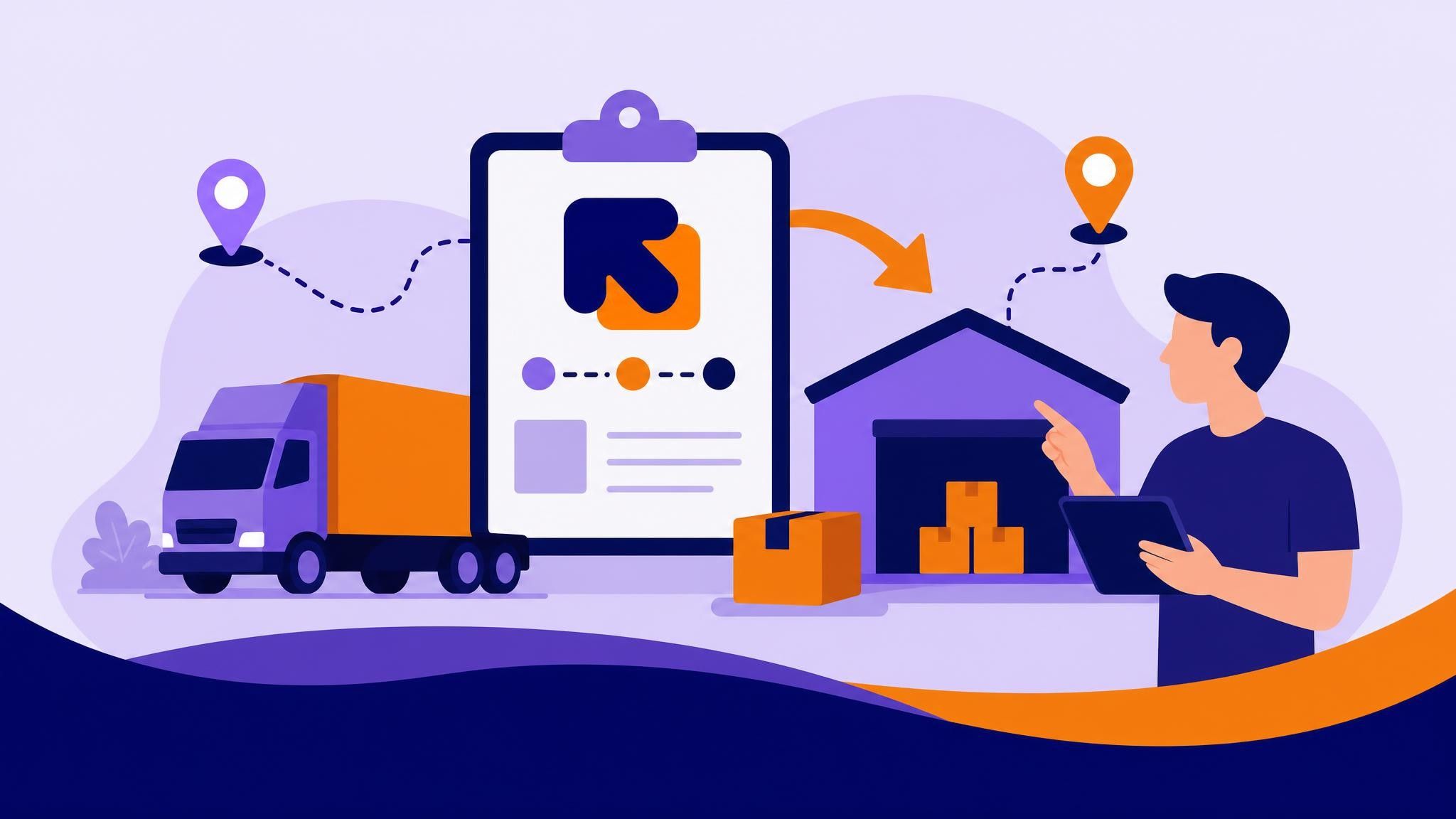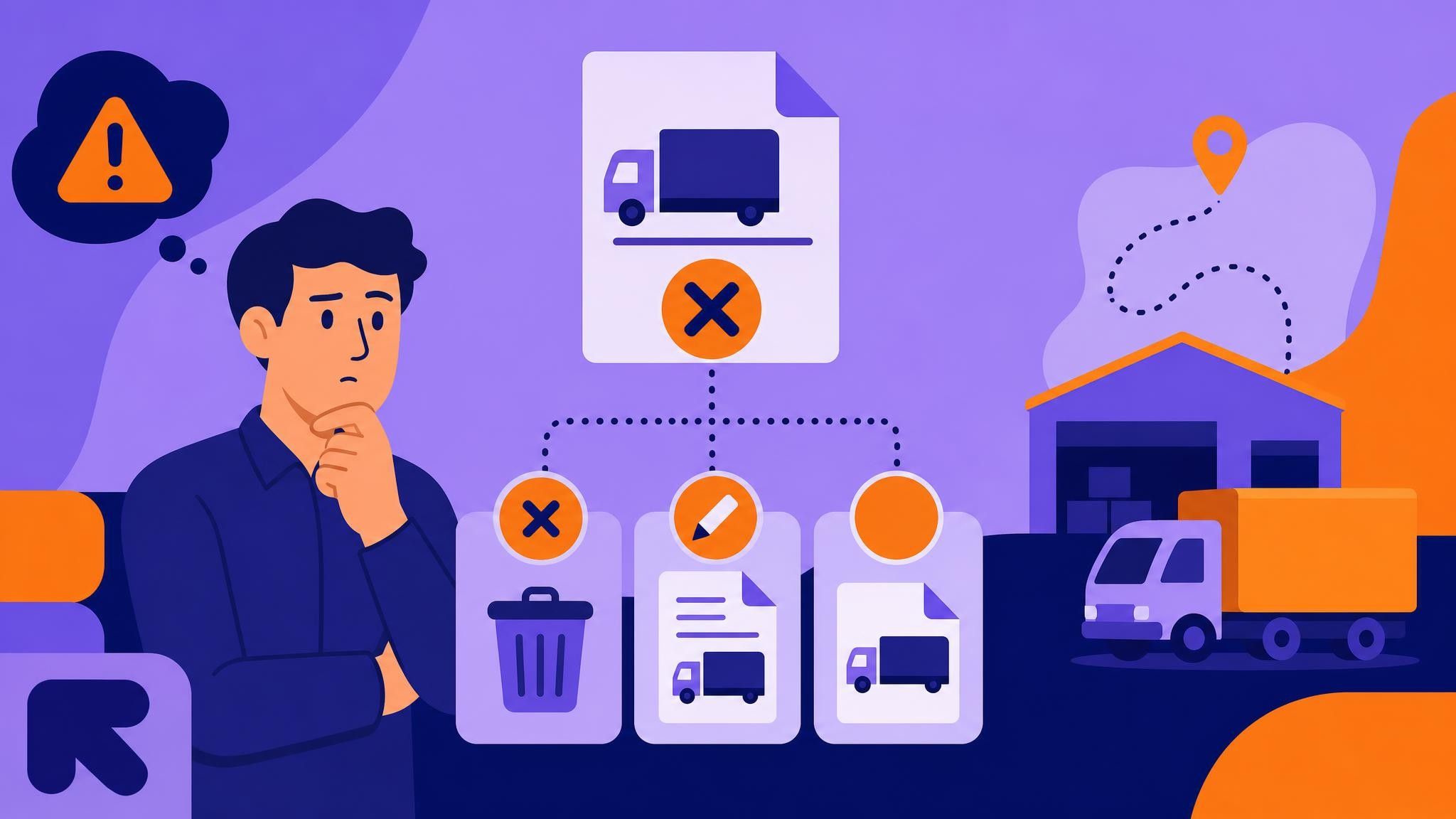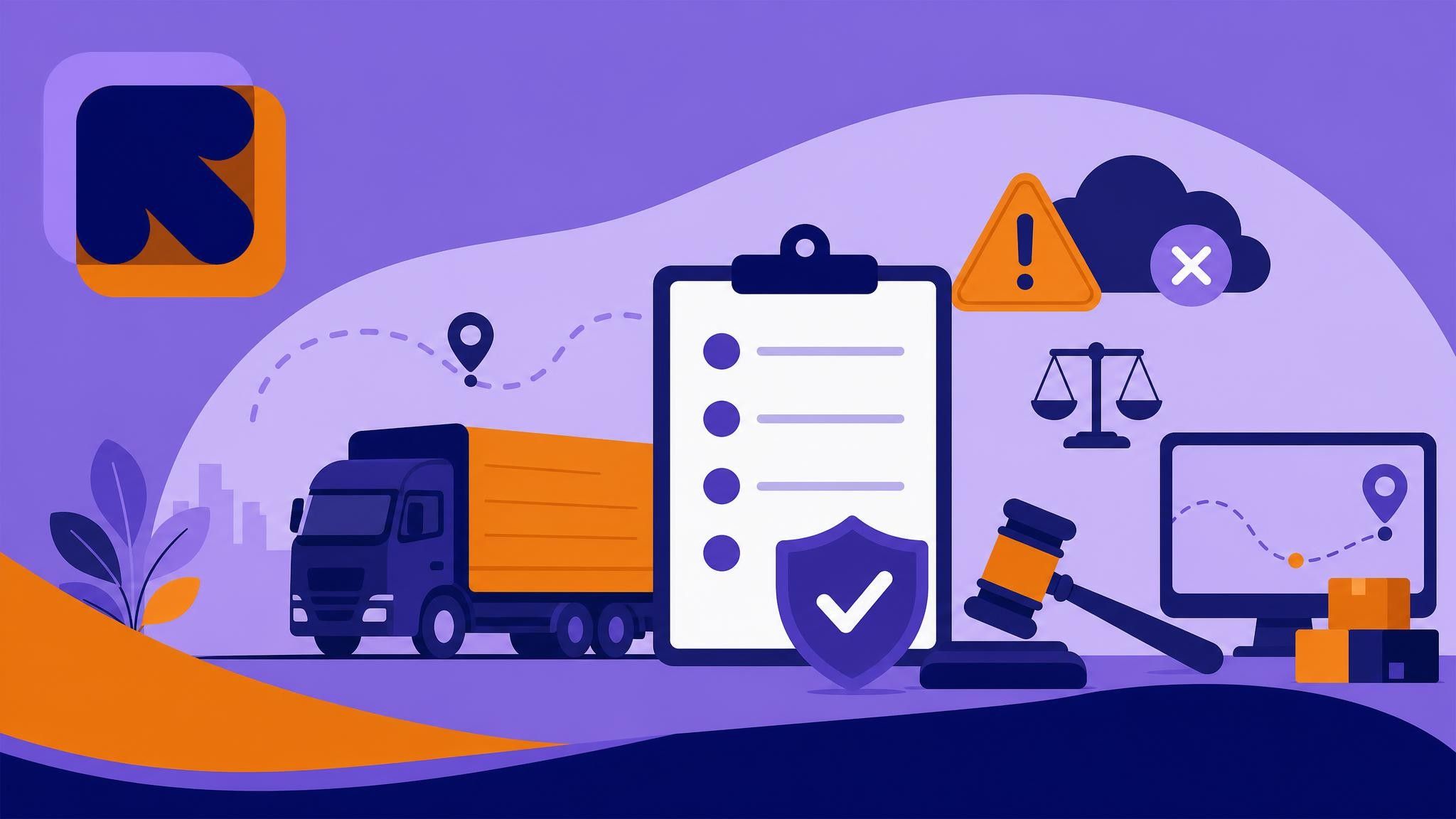
When your logistics operation scales, complexity scales with it: more orders, more routes, more carriers, more SLAs to hit—and more points where things can go off track. The result is a team chasing what already happened, endless phone calls, and reactive decisions. That’s exactly where a logistics Control Tower becomes indispensable: a single layer of visibility and orchestration that turns chaos into operational flow.
In this guide, you’ll learn in practical terms what a Control Tower is, how it works, which pains it solves, and why Meu Rastreio’s Control Tower is a strategic ally for fleet and operations leaders seeking efficiency, cost reduction, and an outstanding customer experience.
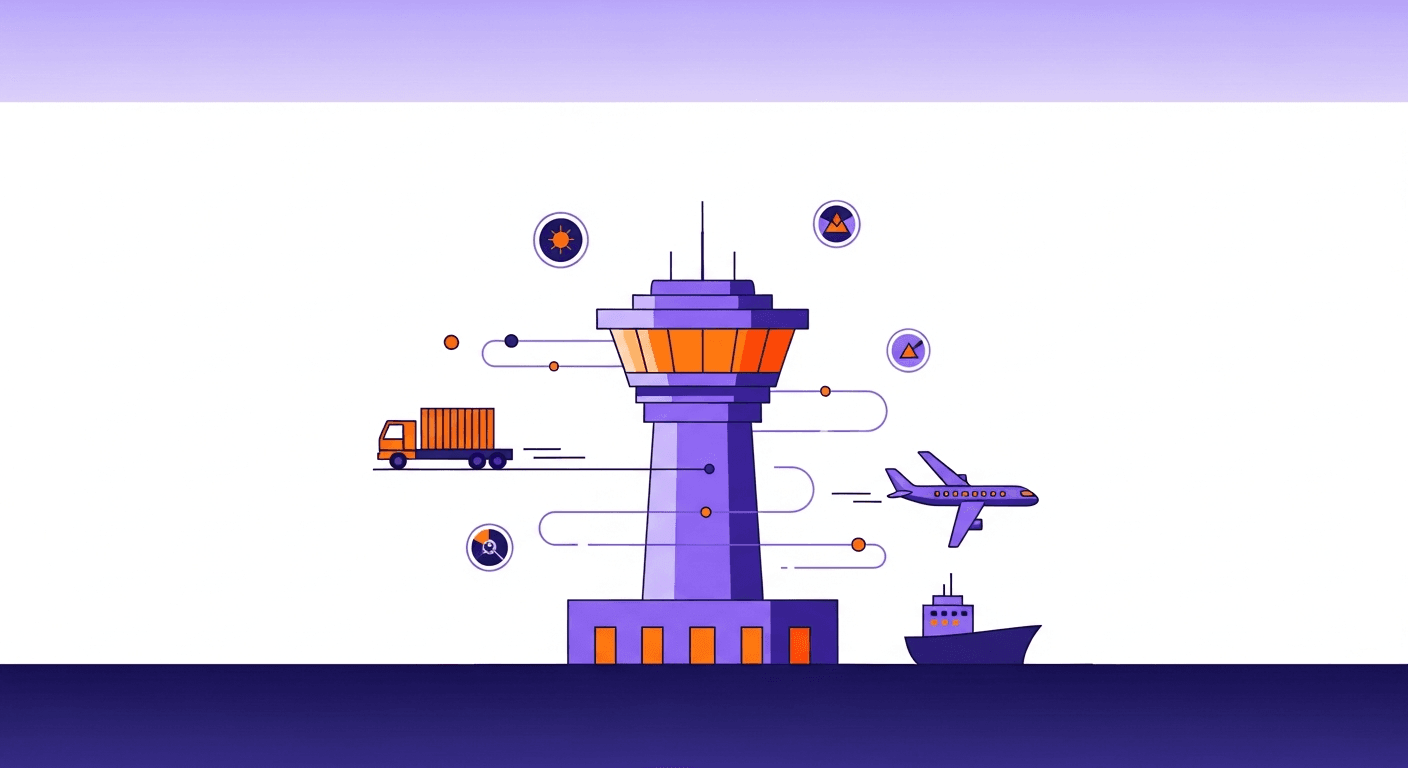
What is a logistics Control Tower? A logistics Control Tower is a real-time monitoring and decision-making hub that consolidates information from your entire transport chain (pickup, line-haul, last mile, returns) in one place. Beyond basic delivery tracking, it:
- Provides end-to-end visibility from order to Proof of Delivery (POD)
- Orchestrates exception management with alerts and action plans
- Connects teams and partners in standardized workflows
- Tracks transport SLAs and OTIF (On Time, In Full) targets with clear KPIs
Bottom line: a Control Tower lets you move from event-by-event monitoring to proactive management with real-time predictability and operational control.
The main pains a Control Tower solves
- Lack of visibility: without a consolidated status, it’s hard to plan docks, reschedule time windows, and inform customers in advance
- Fragmented communication: emails, chat groups, and phone calls create noise and rework
- SLA breaches: without proactive alerts, deviations become surprises—and fines
- Scattered data: spreadsheets and disconnected systems block analysis and continuous improvement
- Hidden costs: re-deliveries, idle vehicles, and inefficient routes go unnoticed
- Customer experience: unreliable information erodes confidence and NPS
How Meu Rastreio’s Control Tower works Meu Rastreio’s Control Tower is designed to deliver operational clarity and faster reactions—without adding complexity.
Real-time visibility
- Operational map with routes and the status of every delivery
- Per-order timeline with standardized events through digital POD
- ETA forecasting and delivery window tracking
Exception and SLA management
- Proactive alerts for delays, route deviations, prolonged stops, and SLA risk
- Configurable rules by customer, region, carrier, and service type
- Exception boards with automatic prioritization to keep focus on what matters
Unified communication
- Central hub for operational interactions: incident logs, resolutions, and evidence
- Notifications to recipients and internal teams (via configurable channels)
- Auditable history for compliance and dispute resolution
Proof and traceability
- Digital Proof of Delivery with photo, signature, and geolocation
- Logging of attempts, impediments, and returns with standardized reasons
- Complete audit trail for performance measurement and audits
KPIs and reporting
- OTIF, lead time, first-attempt delivery rate, stop time, and capacity utilization
- Reports by customer, route, region, and carrier
- Ready-made and customizable dashboards for executives and operations
Integrations and scalability
- Integrates with your ecosystem (TMS, WMS, ERPs, and carrier partners)
- Role-based access and permissions (management, operations, customer)
- SaaS architecture for fast deployment and continuous evolution
Practical, measurable benefits
- Lower operating costs: fewer re-deliveries, less idle time, better route utilization
- Higher productivity: teams focus on priority exceptions instead of manual hunting for data
- SLA attainment: alerts and governance reduce breaches and minimize penalties
- Better customer experience: proactive, predictable communication increases satisfaction and trust
- Data-driven decisions: reliable indicators support plan adjustments and partner renegotiations
- Scalability: grow your operation without losing control or ballooning overhead
Everyday use cases
- Retail and e-commerce: in peak weeks, coordinators view at a glance which cities face higher delay risk, trigger contingency plans, and prioritize critical routes. Result: fewer broken promises and fewer inbound calls to support
- Manufacturing with dock windows: the Control Tower compares ETA against unloading windows and flags early/late arrivals to prevent queues and crew unavailability
- 3PLs: consolidate customers and carriers in a single cockpit, with SLAs segmented by contract and performance-ready reports
- B2B and regional distribution: track multi-stop routes and log standardized impediments to increase predictability for corporate customers
- Urban last mile: analyze stop time by ZIP code and time band to redesign routes and concentrate deliveries where first-attempt success is highest
Essential KPIs to measure success
- OTIF and SLA compliance by customer/route
- End-to-end lead time and average pickup/delivery time
- Percentage of exceptions handled proactively
- First-attempt delivery success rate
- Cost per delivery and per mile
- Fleet idleness and off-dock stop time
- Consignee/customer satisfaction (NPS or CSAT)
Pro tip: start with a focused set of 5–7 KPIs, set realistic targets, and run biweekly review cycles. The win comes from the cadence of continuous improvement.
Trends and best practices in Control Towers
- Predictive ETAs: use historical data, traffic, and route patterns to anticipate delays and act before issues escalate
- Collaborative visibility: controlled status sharing with customers and partners improves alignment and reduces follow-ups
- Data governance: standardize events, reasons, and incident types to enable comparable analysis across regions and carriers
- Experience-first: clear, timely recipient communications reduce anxiety and service costs
- Sustainability: route optimization and fewer re-deliveries reduce emissions per delivery
- Security and compliance: access controls and audit trails protect sensitive information
How to implement with low friction
- Quick diagnostic: map volumes, SLAs, common exceptions, and main bottlenecks
- Dashboard design: define the daily screens your team will use and how to prioritize exceptions
- Integrations and pilots: connect essential systems and run a pilot with a critical region/customer
- Training and rituals: upskill operations and leadership; implement war-room routines with KPIs
- Scale-up: expand in waves, adding new customers, regions, and carriers
- Continuous improvement: refine alert rules, SLAs, and metrics based on real-world data
Why choose Meu Rastreio’s Control Tower
- Fast deployment: SaaS architecture and integrations to accelerate go-live
- Ready and customizable dashboards: strategic views for leadership and operational views for execution
- Intelligent alerts: prioritization of exceptions that truly move the needle
- Digital POD: trustworthy evidence to reduce disputes and speed up invoicing
- Unified communications: less noise, tighter alignment across operations, partners, and customers
- Expert support: a team that understands logistics in practice and tailors the solution to your process
Conclusion: visibility that turns into results A Control Tower is more than a good-looking dashboard—it’s the foundation for a predictable, efficient, and scalable logistics operation. With real-time visibility, exception governance, and actionable KPIs, you leave reactive mode behind to anticipate problems, cut costs, and delight customers.
Want to see it live in your context? Book a free demo of Meu Rastreio’s Control Tower and talk to a specialist. Let’s design your visibility and performance strategy together.
Visit: https://meurastreio.app/pt-BR/torre-de-controle
- Schedule a free demo
- Talk to a specialist
- Discover how to unlock efficiency in the coming weeks