
How Automatic Route Planning with a Route Optimizer Can Transform Your Logistics
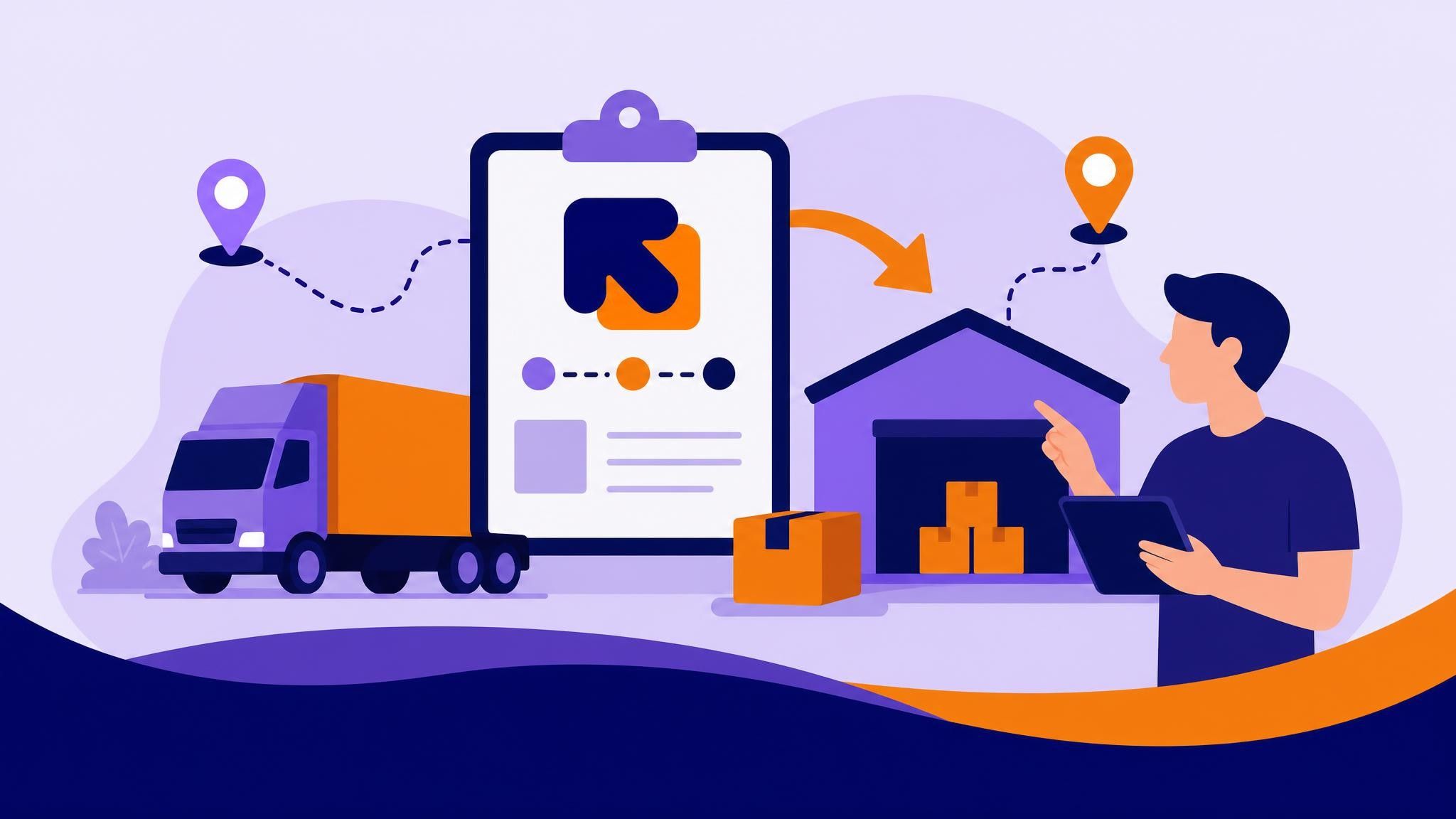
With every new delivery window, traffic incident, or last‑minute order, a planner’s day gets more complex. Between spreadsheets, phone calls, and constant replanning, the margin for error grows—and so do operating costs. That’s where automatic route planning comes in: it automates decisions, balances constraints, and takes your operation to a new level of efficiency.
In this article, you’ll learn how the technology works, the practical benefits it delivers, and why Meu Rastreio’s Route Planning can be the missing piece to scale with predictability and control.
Why manual planning doesn’t scale
- Heavy reliance on “tribal knowledge” held by a few planners.
- Difficulty reconciling delivery windows, vehicle capacity, and order priority.
- Poor cost visibility: miles driven, route time, overtime.
- Reactive rescheduling when issues arise (traffic, damages, cancellations).
- Fixed routes that ignore demand variability, seasonality, and new service areas.
- Low standardization and limited process auditability.
The result? Unnecessary miles, underutilized fleet, delays, and an inconsistent delivery experience.
What a route optimizer is—and how it works A route optimizer is software that, using order data and operational constraints, automatically calculates the best possible routes for your fleet. Instead of drawing routes on a map, you set rules and objectives, and the system returns an optimized plan.
Key inputs to the system
- Orders: addresses, volumes, weights, priorities, and delivery windows.
- Fleet: per‑vehicle capacity, type (box truck, light, refrigerated), costs, and drivers.
- Rules: SLAs, access restrictions (restricted zones), loading/unloading times.
- Territories and hubs: multiple depots, service zones, backhauls.
- Distance and traffic matrices: time estimates across different hours of the day.
How the optimization engine decides
- Routing models (VRP/VRPTW) with heuristics and metaheuristics to balance cost, time, and constraints.
- Objective prioritization: reduce miles, meet time windows, balance load across vehicles.
- Configurable penalties for lateness, capacity overruns, and waiting times.
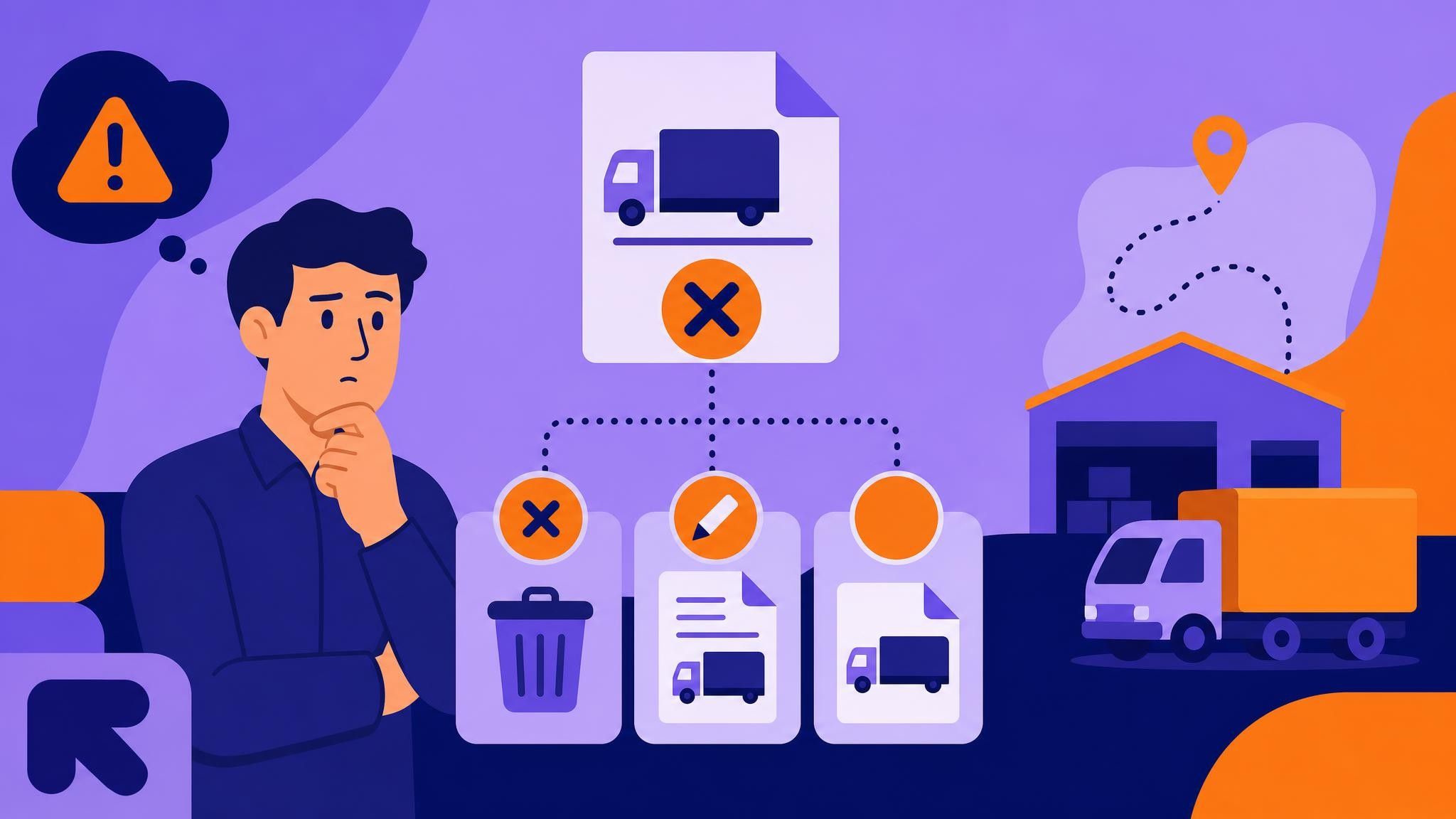
Real‑time reoptimization When field events occur (delays, new pickups, cancellations), the system reoptimizes automatically and recommends the best action: reassign, reorder stops, open a new route, and more.
Practical, measurable benefits
- Lower operating costs: fewer miles, less overtime, better fleet utilization.
- Higher productivity: more stops per day, balanced loads, denser routes.
- Higher OTIF (On Time In Full): consistent delivery window compliance.
- End‑to‑end visibility: from planning to proof of delivery with trustworthy metrics.
- Scalable with predictability: absorb demand spikes without firefighting.
- Sustainability: fewer emissions per delivery with shorter, smarter routes.
- Better driver experience: clear routes, intelligent sequencing, less rework.
How Meu Rastreio elevates your route planning Meu Rastreio’s Route Planning was designed for operations that need to scale with quality while controlling cost and service.
Planning with multiple constraints
- Delivery windows, priorities, capacity (weight/volume), loading/unloading times.
- Customer/route‑specific rules: zones, circulation restrictions, driver qualifications.
- Automatic load balancing by time, stops, or capacity.
Geocoding and smart maps
- Address geocoding with validation and suggestions.
- Zonal clustering and multi‑depot/hub support.
- Assisted manual editing on the map when needed.
Simulations and scenarios
- What‑if in a few clicks: simulate new depots, outsourced fleet, or window changes.
- Compare scenarios by cost, miles, and total time before publishing the plan.
Integrated execution and proof of delivery
- Driver app with stop sequence, navigation, and rule checks.
- In‑route reoptimization when issues occur.
- POD (signature, photo, notes) and real‑time status for ops and customers.
Integrations and automations
- APIs and connectors for ERP, WMS, TMS, and marketplaces.
- Bulk order import and automatic status updates.
- Webhooks to notify events and feed financial reporting.
KPIs and governance
- Dashboards for OTIF, miles per delivery, cost per stop, and fleet utilization.
- Track delivery attempts, returns, and SLA by customer/route.
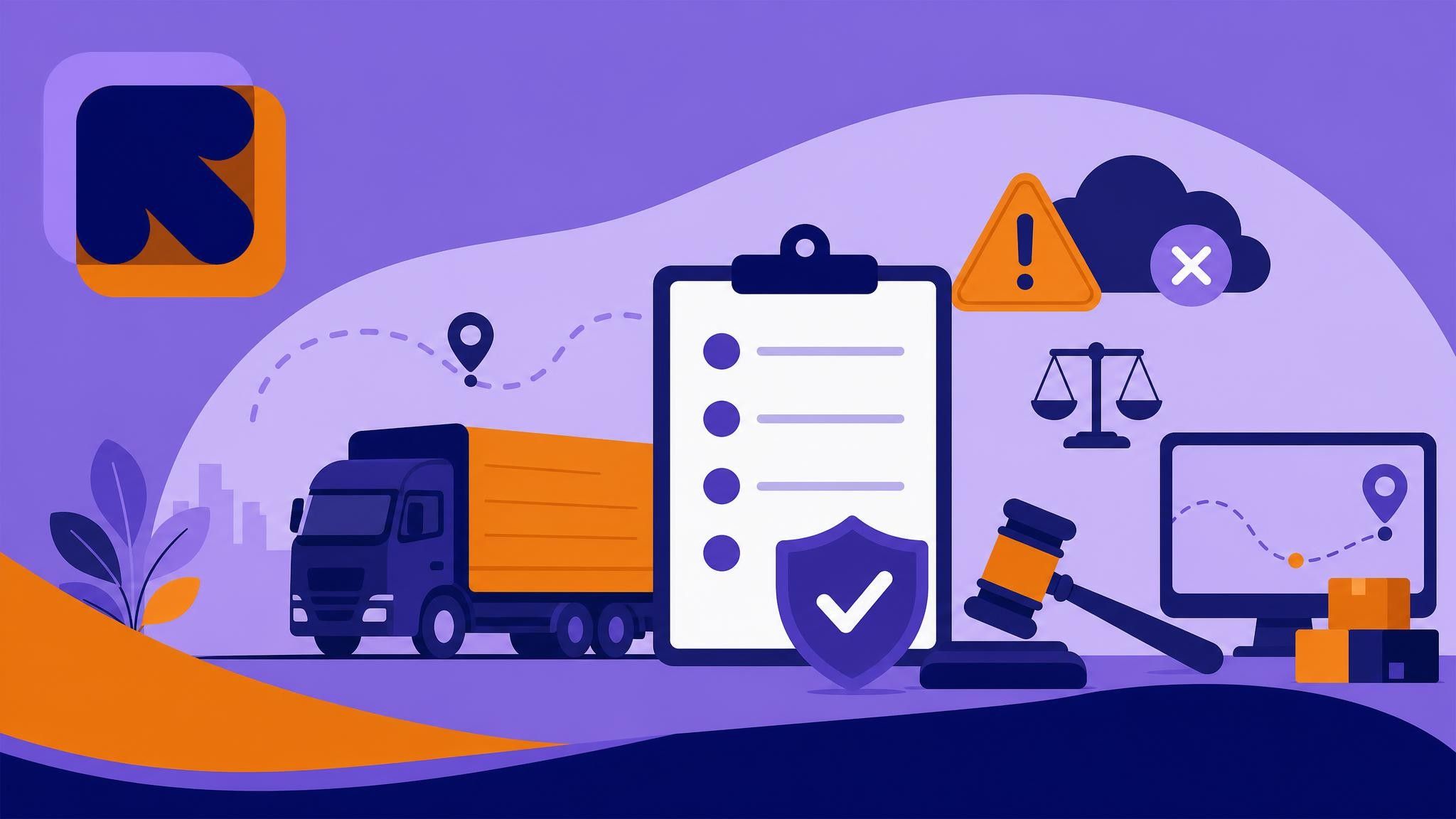
- Logs and audit trails for compliance and continuous improvement.
Hypothetical use cases
-
Last‑mile e‑commerce
- Challenge: high daily variability, tight windows, and many stops.
- Hypothetical result: fewer miles via denser neighborhood routing and higher SLA compliance by prioritizing critical windows.
-
B2B distribution (beverages/foods)
- Challenge: heavy volumes, dock and schedule restrictions, multiple deliveries per customer.
- Hypothetical result: weight/volume‑based load balancing avoids capacity overruns and cuts overtime.
-
Field service and technical support
- Challenge: variable visit durations, specific parts, and rescheduling.
- Hypothetical result: sequencing by priority/technician skill and in‑field reoptimization increase first‑visit resolution.
These scenarios illustrate how automation supports different delivery models while respecting unique rules and objectives.
Key indicators to track
- OTIF by customer/route.
- Miles per delivery and average time per stop.
- Cost per route and per stop (direct and allocated).
- Fleet utilization rate (weight/volume/time).
- Delivery window compliance and redelivery rate.
- Driver productivity (stops per hour/shift).
- Estimated emissions per delivery (for ESG goals).
With these KPIs, continuous improvement turns into an actionable plan.
Step‑by‑step to implement a route optimizer
- Audit your data
- Standardize addresses, customer records, service times, and vehicle capacities.
- Map constraints and objectives
- List windows, SLAs, access restrictions, priorities, and what to optimize (cost, miles, time).
- Integrate systems
- Connect ERP/WMS/TMS for continuous order and status flow. Meu Rastreio provides APIs and connectors.
- Run pilots and simulations
- Compare the “as is” vs. “to be” with the new plan. Tune rules and weights.
- Train the team and communicate
- Drivers, planners, and customer support must understand the flow, app, and new metrics.
- Monitor and improve
- Track KPIs, gather field feedback, and refine optimization parameters.
Trends shaping route planning
- Predictive AI
- Demand forecasting, time estimates by time‑of‑day, and ideal window suggestions.
- Real‑time data
- Traffic, events, and driver status fueling dynamic reoptimization.
- Sustainability as an operational metric
- CO2 per delivery as a performance indicator with goals and ESG reporting.
- New urban restrictions
- Emission zones, loading time windows, and micro‑hubs for a more efficient last mile.
- Collaboration with the end customer
- Proactive window rescheduling, attendance confirmation, and automated communications.
Meu Rastreio follows these trends with a continuous innovation and integrations roadmap.
Common pitfalls—and how to avoid them
- Trying to replicate the “old way” in software without revisiting processes.
- Configuring too few constraints and blaming the system for poor results.
- Ignoring data quality (addresses, capacities, times).
- Not integrating planning and execution—without POD and status, there’s no feedback loop.
- Skipping team training and driver communications.
Start simple, validate, learn, and evolve step by step.
Conclusion: from chaos to control—with predictability Automatic route planning changes the game by putting data and algorithms to work for your operation. Instead of drawing routes manually, you define goals and constraints—and the system delivers shorter, balanced, on‑time routes with clear cost per stop.
Meu Rastreio unifies robust optimization, in‑field execution, and KPIs in a single platform so fleet, planners, and customer support speak the same language. If you’re aiming to cut costs, raise OTIF, and scale confidently, this is your next step.
Book a free demo of Meu Rastreio’s Route Planning and see how your logistics can evolve in practice: https://meurastreio.app/pt-BR/planejamento-de-roteiros
Prefer to talk to a specialist? Get in touch and design a tailored pilot for your operation.