Maximizing Results with Route Analysis: Tips and Strategies
The pressure for shorter lead times, tighter cost control, and happier customers has never been higher. In operations with multiple drops, delivery windows, and different vehicle profiles, small inefficiencies turn into big losses. This is where route analysis stops being a “pretty report” and becomes a strategic advantage.
In this article, you’ll learn how to turn route data into daily decisions that cut costs, improve delivery accuracy, and increase fleet productivity. You’ll also see how a dedicated tool — like Analise Rota by Meu Rastreio — accelerates this process without complex spreadsheets and with real impact on outcomes.
What route analysis is and why it matters
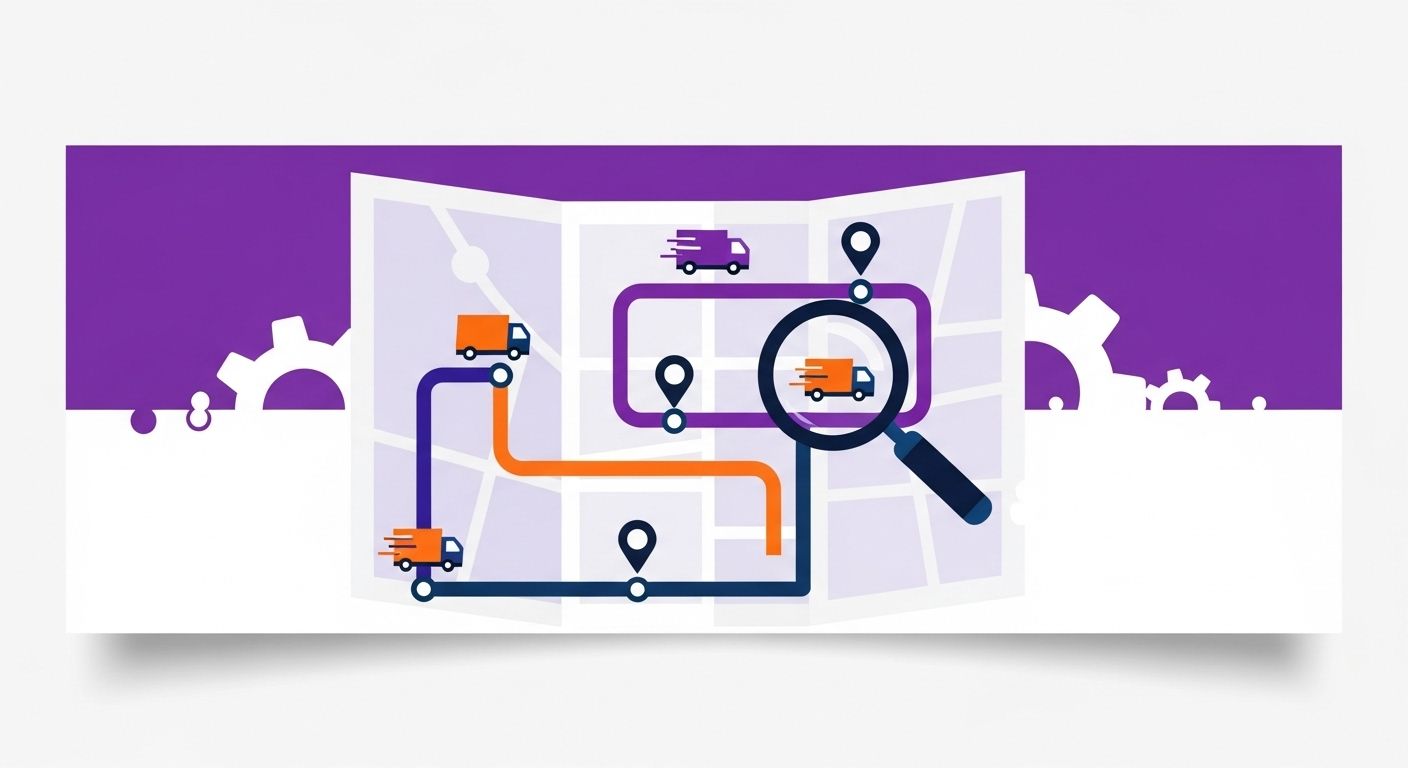
Route analysis is the practice of comparing plan versus actual, understanding deviations, and identifying optimization opportunities. It goes beyond routing: it connects real-time tracking data, delivery windows, dwell times, and performance indicators to support decisions.
Key benefits when done right:
- Fewer kilometers driven and lower fuel consumption
- Higher on-time and in-full performance (OTP/OTIF)
- Fewer redeliveries, idle time, and waiting times
- Smarter use of fleet, drivers, and service windows
- Predictability and proactive communication with customers
Today’s challenges in route optimization
Even mature operations face recurring obstacles:
- Demand variability and seasonality
- Delivery window and service-time constraints
- Traffic and unforeseen events along the route
- Incomplete addresses and geolocation issues
- Route deviations, unplanned stops, and improper speed
- Lack of integration between TMS/ERP and tracking solutions
- Difficulty measuring logistics KPIs accurately
Without structured analysis, teams react late or by “gut feel,” losing efficiency and scale.
How to turn data into decisions: a simple method
- Define the KPIs that matter
- OTP/OTIF (on-time and in-full)
- Kilometers per delivery and cost per km
- Plan adherence (planned vs. actual)
- Average dwell time
- Redeliveries and first attempt rate
- Fleet utilization and capacity fill
- Standardize your address master data
- Use geofencing and points of interest for frequent customers
- Validate coordinates and service times by customer type
- Compare planned vs. actual every day
- Find where the plan “breaks”: recurring delays, bottlenecks, critical zones
- Adjust windows, times, and sequencing based on evidence
- Run short PDCA cycles
- Plan, do, check, act — weekly
- Evaluate teams, regions, and delivery profiles separately
- Close the loop with the team
- Share insights with routers and drivers
- Train, recognize best practices, and apply corrective measures fast
Practical route analysis tips and strategies
Prioritize real business constraints
- Delivery windows, customer priorities, and vehicle capacity should guide routing
- Adjust load/unload times by customer profile to improve ETA accuracy
Use geofences intelligently
- Register customer and depot areas to validate arrivals/departures
- Detect out-of-zone stops and route deviations automatically
Balance routes by zone and volume
- Create stable geographic clusters to reduce route crossover
- Distribute drops considering density and average service times
Reduce empty miles and redeliveries
- Combine pickups and deliveries (milk run) when possible
- Address redelivery causes: addressing quality, customer confirmation, poorly defined windows
Tune service times with real data
- Review standard times based on customer and delivery-type history
- Update plans frequently to avoid systemic delays
Proactive communication and reliable ETA
- Send arrival predictions and automatic updates when deviations occur
- Reduce idle time at delivery points and improve customer experience
Safety and average speed
- Monitor speeding and high-risk routes
- Standardize average speeds by road type for consistent estimates
Be ready for peaks
- Simulate seasonal high-demand scenarios with pre-validated alternative routes
- Use flexible windows, micro-hubs, or pickup points when needed
Integration with TMS/ERP and telematics
- Avoid rework and data mismatches
- Standardize route events (start, arrive, depart, finish) for KPI consistency
Efficient final mile
- Route by zones and off-peak time windows
- Consider lockers and PUDOs to lower redelivery and cost per drop
Sustainability with impact
- Promote eco-driving and reduced idling
- Track CO₂ avoided as part of operational efficiency
How Analise Rota by Meu Rastreio boosts your results
Analise Rota was built to turn field data into fast, confident decisions without technical complexity. Highlights that accelerate day-to-day operations:
- Plan vs. actual view in a few clicks
- Dashboards with essential KPIs (OTP/OTIF, km per delivery, stops, deviations)
- Geofencing to validate customer presence and detect unplanned stops
- Bottleneck identification by zone, driver, vehicle, or delivery type
- Alerts and actionable insights to correct routes and meet SLAs
- Integration with management systems (via API) to avoid rework
- Exportable, time-comparison reports for PDCA cycles
The outcome: informed decisions, fewer wasted kilometers, higher predictability, and a superior delivery experience.
Learn more: Analise Rota — Meu Rastreio https://meurastreio.app/pt-BR/analise-rota
Practical use cases
- Regional ecommerce: after standardizing geofences and comparing plan vs. actual daily, reduced kilometers by 12% and raised OTP from 90% to 96% in 8 weeks.
- B2B distributor: tuned service times by customer profile and reorganized delivery zones; average route time fell 15% and redeliveries dropped 25%.
- Final-mile operator: with route-deviation alerts and proactive communication, cut waiting windows and increased first attempt rate by 10 percentage points.
Note: results vary based on operational maturity, data discipline, and adherence to analysis routines.
Essential metrics to monitor
- OTP/OTIF: share of on-time, in-full deliveries
- Kilometers per delivery: network efficiency and routing quality
- Cost per km and per delivery: foundation for financial targets
- Plan adherence: execution against the route plan
- Dwell time: stop time per customer/site; identifies bottlenecks
- First attempt rate: success on the first try reduces cost and friction
- Fleet utilization: vehicle/shift occupancy and productivity
- Redeliveries and root causes: addressing quality, absence, poor window, local constraints
Tip: review weekly by region and customer profile. Small variations show where to act fast.
Trends and next steps in route analysis
- AI and prediction: ETA and delay-risk estimates based on history and context
- Dynamic routing: real-time replanning from field events
- Full integration: TMS, ERP, WMS, and telematics in a single view
- ESG in logistics: greener routes, fewer redeliveries, CO₂ avoided
- Customer experience focus: ETA communication, digital PODs, and feedback
Organizations that adopt continuous analysis, specialized tools, and short improvement cycles build a competitive edge that’s hard to copy.
Conclusion: from data to competitive advantage
Maximizing results with route analysis isn’t a one-off project — it’s a continuous process. When you set clear KPIs, compare plan vs. actual daily, and close the loop with your team, the compounding effect shows up as fewer kilometers driven, fewer redeliveries, and more on-time deliveries.
With Analise Rota by Meu Rastreio, that cycle becomes simple and scalable: reliable data, practical insights, and integration with your ecosystem. The next step is bringing this intelligence into your day-to-day.
Book a free demo and see how to boost your operation’s efficiency: https://meurastreio.app/pt-BR/analise-rota
Or talk to a Meu Rastreio specialist for a quick assessment of your operation.