Unpacking real-time same-day delivery: everything you need to know
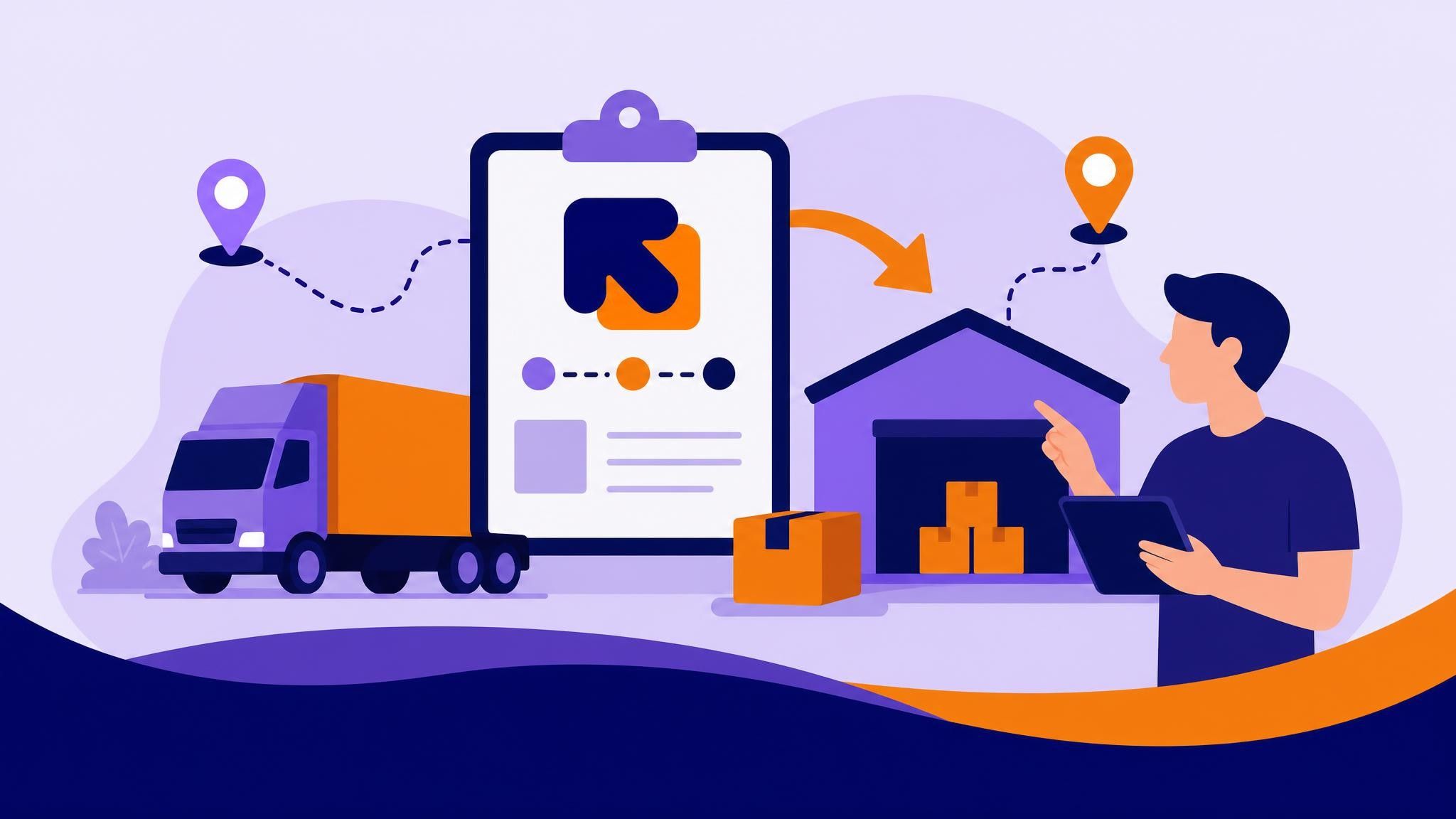
The pressure to deliver on the same day has moved from trend to competitive requirement. For last‑mile operators, that means tight time windows, dynamic routes, seasonal peaks and sky‑high customer expectations. The challenge isn’t just “arrive fast,” but orchestrating every step with full visibility—from dispatch to proof of delivery—while keeping efficiency and costs under control.
In this context, real-time tracking and intelligent delivery management become the heart of the operation. With solutions like Meu Rastreio Delivery, you can turn operational complexity into predictability, standardization and scalability—without losing sight of the customer experience.
What is real-time same-day delivery?
“Real-time same-day delivery” combines two essential capabilities:
- A same-day promise (short SLAs and narrow delivery windows).
- Online monitoring of the delivery cycle (vehicle location, predictive ETA, exceptions and proof of delivery).
In practice, managers and customers follow each order in sync. Operations gain control and response power; customers gain confidence and transparency.
Common last-mile challenges in same-day delivery
-
Lack of end-to-end visibility Without real-time tracking, it’s hard to answer “Where is the order now?” or “What’s the realistic ETA?” That drives up support calls, uncertainty and rework.
-
Routing under uncertainty Traffic, circulation restrictions, time windows and unplanned stops can break the plan quickly. Without dynamic re-optimization, performance drops.
-
Customer communication Late or inaccurate notifications create frustration, not-at-homes and second attempts—raising the cost per delivery.
-
Proof of delivery and exceptions Without standardized evidence (photos, e-signature, geolocation) and fast exception handling, billing disputes, returns and productivity loss increase.
-
Disconnected metrics KPIs like OTIF (On Time In Full), first-attempt rate and cost per delivery end up scattered in spreadsheets, blocking continuous improvement.
How a real-time management platform fixes this
Specialized solutions like Meu Rastreio Delivery integrate planning, execution and visibility, connecting operators, drivers and customers in a single flow.
Live tracking and predictive ETA
- Real-time driver location.
- Continuously updated ETA based on traffic and order priority.
- Alerts for risk of delay before an SLA breach.
Smart routing and replanning
- Route generation that respects time windows, vehicle capacity and constraints.
- Midday re-optimization to absorb urgent orders, cancellations or incidents.
- Load balancing to avoid idle time and excessive stops.
Proactive customer communication
- Automated notifications at each milestone (picking, on the way, arriving).
- Shareable live tracking link.
- Options to confirm availability, adjust delivery instructions and reduce not-at-homes.
Digital proof of delivery (PoD)
- Standardized records: photos, digital signature, geolocation, date and time.
- Exception handling with categorized reasons (location closed, absence, damage, refusal).
- Organized history for audit, billing and customer support.
Control tower and KPIs
- OTIF, first-attempt rate, cycle time, cost per delivery and productivity per route.
- Real-time operational map and exception queue for immediate action.
- Reports to identify bottlenecks, compare shifts and plan capacity.
Straightforward integration with operations
- Import orders via spreadsheets or integrations with ERPs/ecommerce platforms.
- Intuitive driver app with checklists, instructions and stop confirmation.
- Access controls and audit trails for security and compliance.
Practical, measurable benefits
By consolidating planning, execution and visibility, companies typically see:
- Lower cost per delivery by cutting second attempts and idle hours.
- Higher OTIF within tighter delivery windows.
- Fewer support calls thanks to self-serve tracking and proactive notifications.
- Greater vehicle productivity, with more completed stops per day and fewer detours.
- Stronger NPS and customer satisfaction through predictability and transparency.
Hypothetical example:
- An operator with 20 vehicles serving a metro area lifts deliveries per hour from 1.7 to 2.2 after adopting dynamic routing and real-time ETA—keeping the same fleet—and reduces average cost per delivery by about 15% per month.
Practical use cases
Regional ecommerce with 2‑hour windows
- Challenge: high stop density at day’s end and short windows.
- Solution: neighborhood clustering, real-time replanning and availability confirmation via notification.
- Result: higher first-attempt success and fewer re-deliveries.
B2B distributor with urgent orders
- Challenge: fit critical orders without breaking other customers’ SLAs.
- Solution: a priority queue and routing that accounts for network-wide impact.
- Result: urgent orders handled without harming route productivity.
Pharmacy and healthcare
- Challenge: time- and handling-sensitive items.
- Solution: constraint-based routes, detailed PoD (photos/signature) and proactive patient communication.
- Result: fewer exceptions and stronger compliance.
Best practices for running same-day delivery
- Feasible promise at checkout: offer realistic windows based on capacity and historical SLAs.
- Continuous routing: treat the plan as living, with re-optimization as traffic and events unfold.
- Standardize PoD: define minimum evidence by product/customer type.
- Driver training: clear in-app instructions, checklists and an exceptions policy.
- Data quality: well-geocoded addresses, valid ZIP codes and up-to-date contacts.
- Exception playbook: anticipate recurring reasons (not at home, access restrictions, damage) and how to act.
- Track a focused KPI set: OTIF, first-attempt rate, cost per delivery and cycle time.
- Regional pilots: validate changes in smaller areas before scaling network-wide.
- Attention to data privacy: communicate contact-data usage and offer opt-out channels (LGPD compliance).
Trends shaping the last mile
- Micro-hubs and dark stores: bring inventory closer to customers and enable shorter windows.
- Dynamic promises: the SLA shown at checkout varies by real-time capacity and traffic.
- More accurate ETA algorithms: learn seasonality, weather and address patterns.
- Alternative delivery options: lockers, pickup points and time-slot scheduling to reduce not-at-homes.
- Sustainability: shorter routes, stop consolidation and lower-impact fleets.
- Hybrid operations: own fleet plus partners/crowdsourcing managed in a single control tower.
How Meu Rastreio Delivery stands out
- Fast implementation: practical integration with current processes without heavy IT lift.
- Intelligent routing: considers time windows, capacity, priorities and local constraints.
- Real-time tracking: shared visibility for operators, drivers and customers.
- Proactive communication: notifications and a tracking link that reduce support contacts.
- Robust proof of delivery: photos, signature and geolocation organized by order.
- Actionable dashboards and reports: emphasis on OTIF, first attempt and cost per delivery.
- Driver experience: intuitive app with clear steps and fewer taps.
- Local support: nearby team that understands the particularities of the Brazilian market.
- Scalability: from pilot to multi-region operations with standardization and control.
Conclusion: real time means control and predictability
Same-day delivery is only sustainable when your operation sees, decides and communicates in real time. With Meu Rastreio Delivery, you turn last‑mile complexity into a predictable process—with SLAs met, customers informed and costs under control.
Ready to elevate your same-day operation? Book a free demo and see how Meu Rastreio Delivery can adapt to your business and scale your results: Book a demo: https://meurastreio.app/pt-BR/delivery
Prefer to speak with a specialist? We’ll diagnose your main challenges and build a tailored rollout plan.