Keeping the back office and the road on the same page is one of today’s biggest logistics challenges. While Zuma ERP centralizes records, orders, invoices, and billing, field execution depends on people, dynamic routes, and real-world surprises. Without integration, you get limited visibility, rework, and unnecessary costs.
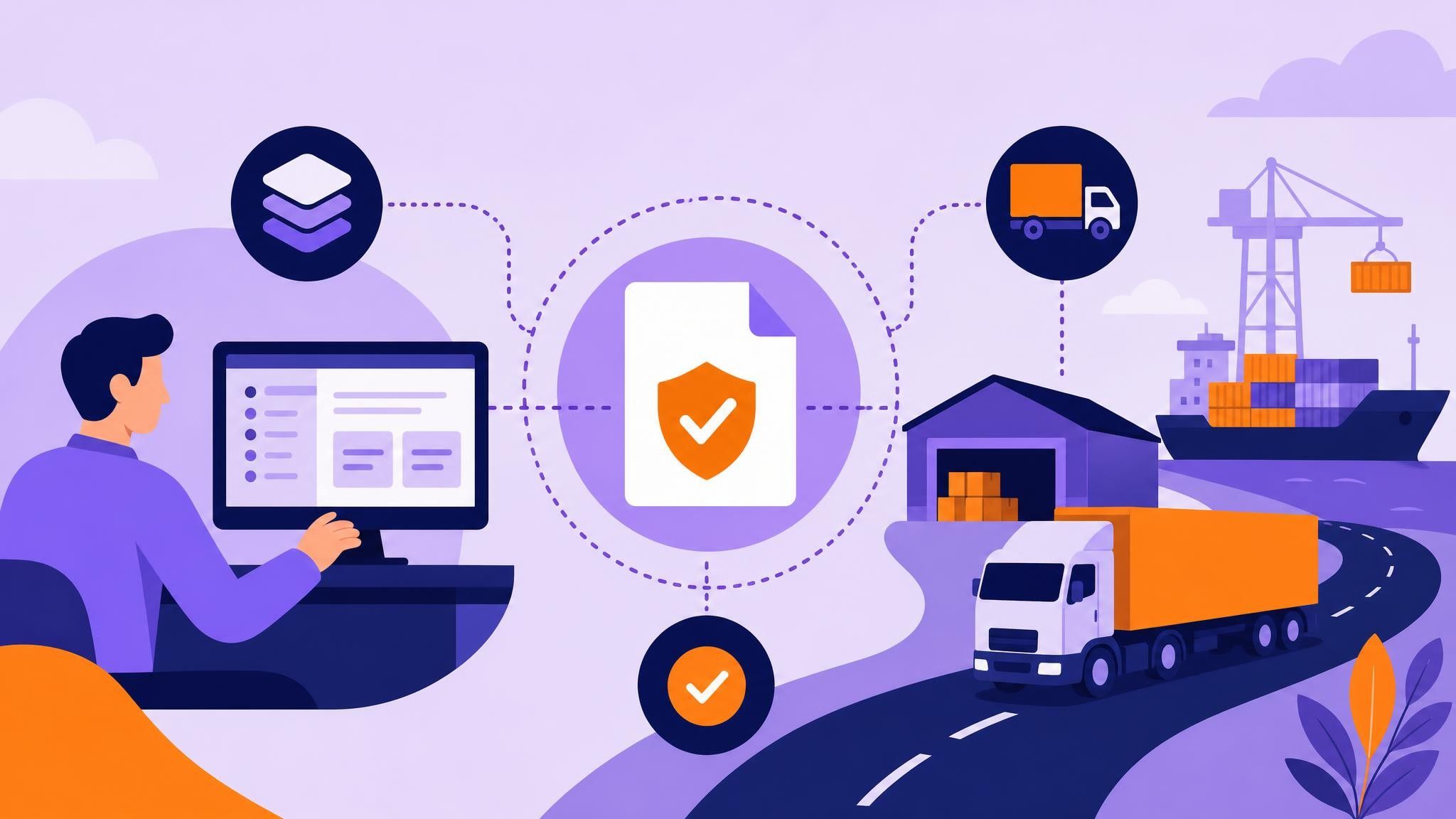
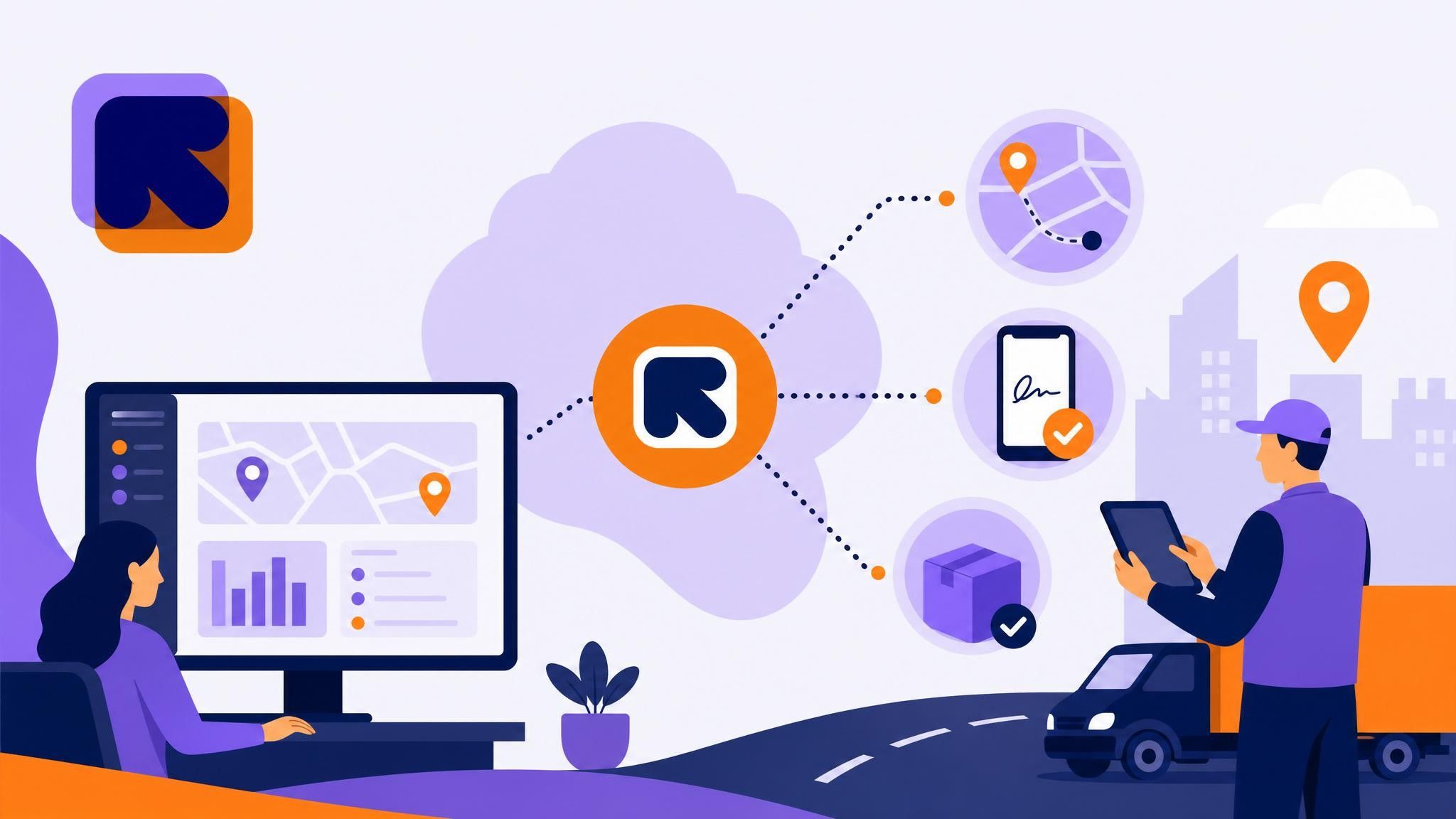
The good news: integrating Zuma ERP with Meu Rastreio connects your operation to drivers in the field, creating a continuous flow between planning, execution, and proof of delivery. Your back office sees what’s happening on the road in real time, and drivers receive clear instructions with routes and priorities aligned to the business.
In this article, you’ll see how the integration works in practice, the benefits you can expect, and how to get started quickly and safely.
The gap between ERP and the field — and why it’s costly
Even with a strong ERP like Zuma, many teams face operational bottlenecks when information doesn’t flow through the final mile:
- Low visibility into delivery and pickup status
- Fragmented communication with drivers (calls, scattered messages)
- Manual replanning when cancellations, time windows, or issues arise
- Difficulty capturing standardized, auditable proof of delivery (POD)
- Delays posting documents and issuing invoices
- Inconsistent customer experience (no tracking, imprecise ETAs)
- Hidden costs from redeliveries, extra mileage, and idle time
Connecting Zuma ERP to Meu Rastreio closes this loop: data flows from the ERP to the driver app with context and priority, and evidence and statuses flow back automatically—no manual typing.
What changes with Meu Rastreio + Zuma ERP
The Meu Rastreio x Zuma ERP integration (learn more: https://www.meurastreio.app/pt-BR/integracoes/zuma-erp) is designed to simplify day-to-day transport operations—owned or outsourced—from B2B to B2C.
- Unified data flow
- Orders, invoices, customers, and delivery windows created in Zuma ERP sync to Meu Rastreio.
- Operations turn them into driver app routes and tasks with priorities and SLAs.
- Field statuses and events flow back to the ERP, accelerating postings and billing. Result: fewer spreadsheets, zero rework, and a faithful “mirror” of the street in the office.
- Driver app with digital proof of delivery
- Clear, always-up-to-date route list with per-stop check-in/check-out
- POD capture: photo, signature, recipient name, and notes
- Standardized exceptions (recipient absent, damage, refusal, time window issues)
- Offline mode with automatic sync when connectivity returns This ensures end-to-end traceability and auditability, reducing disputes and redeliveries.
- Route planning and operational control
- Prioritization by SLA, time windows, and constraints (weight, volume, region)
- Map view and control-tower dashboards with real-time ETA and status
- Exception alerts to act before delays (e.g., at risk of missing a window)
- Cost and KPI consolidation by route, vehicle, and branch Operations gain cadence and predictability—even amid daily variability.
- Proactive communication with the end customer
- Automated updates (out for delivery, arriving soon, delivered)
- Live tracking link with geolocation and real-time updates
- Consistent brand experience across every channel Result: fewer “Where is my order?” calls and more trust in your service.
Measurable benefits for your operation
When you connect ERP and field with real-time tracking and digital POD, companies typically see:
- 20%–40% fewer WISMO (Where Is My Order) contacts
- 10%–25% fewer redeliveries due to communication gaps
- 30%+ faster posting and invoicing after delivery
- Better OTIF (On Time, In Full) and SLA compliance
- Fewer miles driven through smarter routing
- Higher team productivity with less manual work Results vary by context, but the pattern is consistent: more visibility, faster decisions, and a healthier cost base.
How to connect in practice: a functional step-by-step
- Process preparation
- Map the status events that matter (e.g., picked, out for delivery, delivered, attempt)
- Define exception rules (redelivery, return, damage, refusal)
- Organize core records in Zuma ERP (customers, addresses, contacts)
- Activate the integration
- Open Meu Rastreio’s integrations hub and select Zuma ERP
- Validate permissions and essential field mappings (order, invoice, deadlines)
- Set sync frequency and triggers
- Configure operations
- Set up teams, vehicles, regions, and service windows
- Standardize failure reasons and exceptions for reporting and audits
- Align notifications and the tracking portal to your brand voice and identity
- Prepare drivers
- Train on the app: start route, capture POD, log exceptions
- Field best practices: sharp photos, data confirmation, safety
- Run a pilot in simulation mode to reinforce learning
- Pilot and go-live
- Start with 1–2 routes, measure KPIs, and tune rules
- Scale in waves while your control tower monitors closely
- Governance and continuous improvement Track weekly KPIs such as:
- On-time deliveries (SLA/OTIF)
- Attempts per delivery and redelivery rate
- Share of valid PODs
- Average time from delivery to posting
- WISMO contacts per 1,000 orders
- NPS/recipient satisfaction With this cycle, integration moves from a one-off project to a pillar of operations.
Practical use cases
-
Regional e-commerce with own fleet: Zuma ERP concentrates orders and invoices; Meu Rastreio builds daily routes, sends the plan to the driver app, and triggers tracking links. Result: fewer absence-related redeliveries and better delivery-time predictability for the customer.
-
B2B manufacturer with strict time windows: orders from Zuma ERP reach Meu Rastreio with windows and constraints. Routing prioritizes critical stops, and the control tower activates contingency routes when issues occur, avoiding late penalties.
-
3PL serving multiple shippers: the 3PL integrates Zuma ERP (or ingests shipper data) and offers a unified visibility portal with contract-level SLAs, digital POD, and per-account reporting—strengthening commercial relationships.
Best practices to engage drivers and ensure adoption
- Keep it simple: few taps per stop, clear exceptions, objective instructions
- Guarantee offline operation: the app must work without coverage and sync later
- Support battery and help requests: vehicle chargers and a quick support channel
- Reinforce safety: use the app only while parked; eyes on the road
- Provide feedback: performance dashboards by route and recognition for goals
- Document the “gold standard” for POD: photos, angles, signatures, and notes Small details in the field make a big difference to data quality and service time.
Trends that reinforce ERP–field integration
- Hybrid final mile: mixing own fleet and partners requires unified orchestration
- Rising customer expectations: tracking with reliable ETAs is now the norm
- Efficiency and ESG: fewer miles and less paper via smarter routing and digital POD
- AI and ETA prediction: historical data + telematics to promise—and deliver—accurately
- Audit and compliance: complex chains demand solid evidence trails Being ready means combining the power of your ERP with intelligent field execution.
Frequently asked questions
- Do I need to switch ERPs? No. The Zuma ERP integration connects your back office to field operations via Meu Rastreio.
- What if a driver loses signal? The app works offline and syncs once the connection is restored.
- Can I work with carrier partners? Yes. Invite partners to operate under your rules while keeping centralized visibility.
- How about data protection (e.g., LGPD)? Data handling follows access profiles and operational purposes, with consent logs when applicable.
Conclusion: connect planning, execution, and customer in one journey
Uniting Zuma ERP with drivers in the field via Meu Rastreio closes the loop in your logistics operation: well-planned orders become well-executed deliveries, with real-time visibility, proactive communication, and digital proof. The impact is clear on cost, timeliness, and customer satisfaction.
Want to see it in your scenario? Book a free demo with a Meu Rastreio specialist and take your operation to the next level.