The impact of automatic route planning for Sensatta ERP users
Shrinking delivery windows, rising fuel costs, and growing demands for visibility make routing a critical pillar in logistics. Spreadsheets, “mental routes,” and decisions based only on experience no longer sustain today’s complexity. For teams running Sensatta ERP, automatic routing integrated with Meu Rastreio is a game changer: it turns ERP data into smart, executable, and trackable delivery plans in minutes.
In this article, you’ll learn how automatic routing amplifies the value of Sensatta ERP, the practical gains it delivers, and how to put it into practice to accelerate operations, reduce costs, and elevate the customer experience.
Why is routing still a bottleneck?
Even with well-designed processes, many operations struggle with:
- Time-consuming, error-prone manual planning.
- Scattered data (orders, delivery windows, vehicle constraints).
- Lack of real-time visibility to react to disruptions.
- Low standardization: outcomes depend on the “senior planner.”
- Difficulty balancing cost, service level, and fleet utilization.
- Reattempts and idle time due to communication gaps at the last mile.
The result? Missed deadlines, suboptimal routes, higher costs, and dissatisfied customers. The good news: this changes when Sensatta ERP natively connects to a routing optimization and live-tracking platform.
What changes with automatic routing integrated into Sensatta ERP
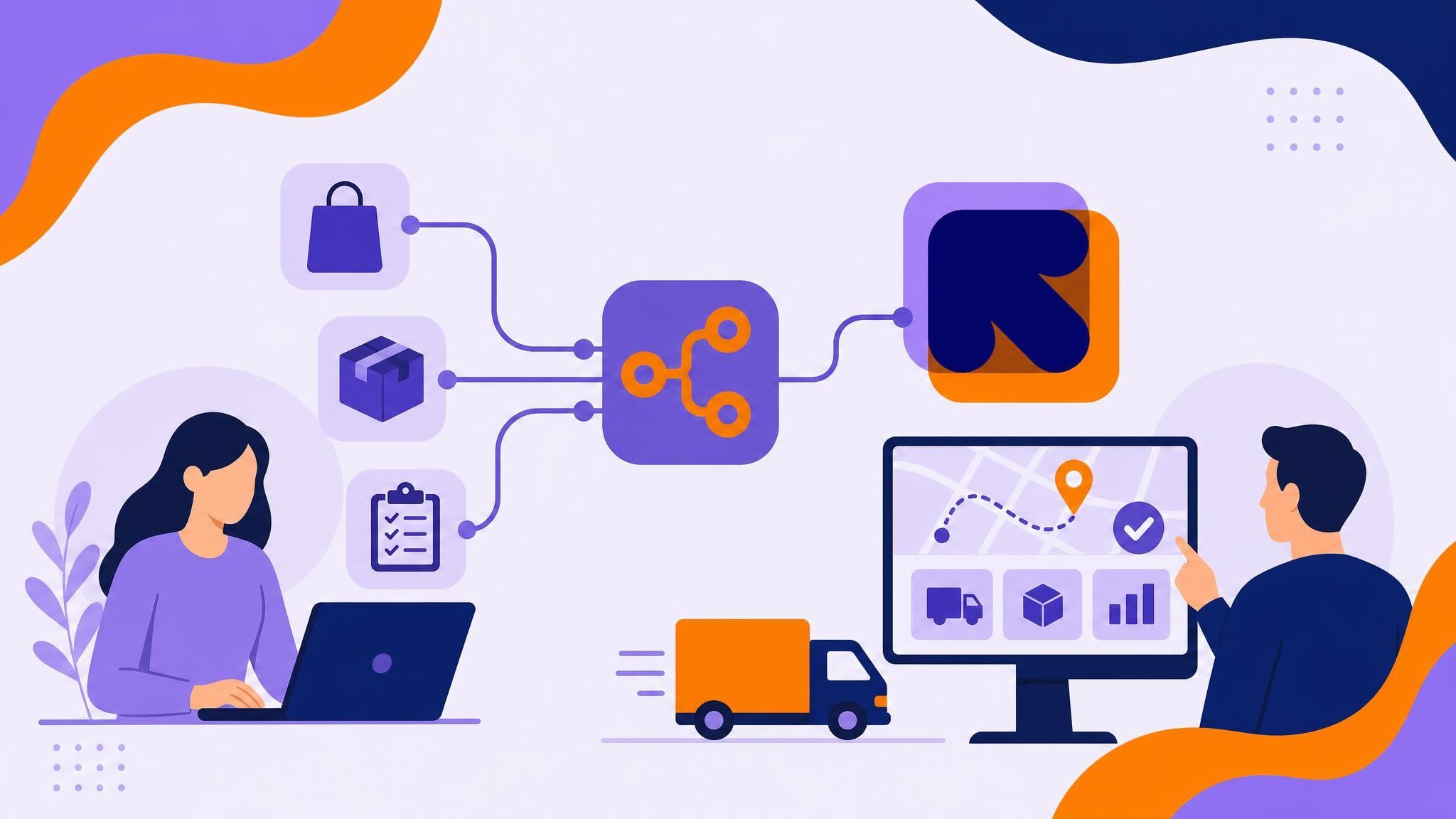
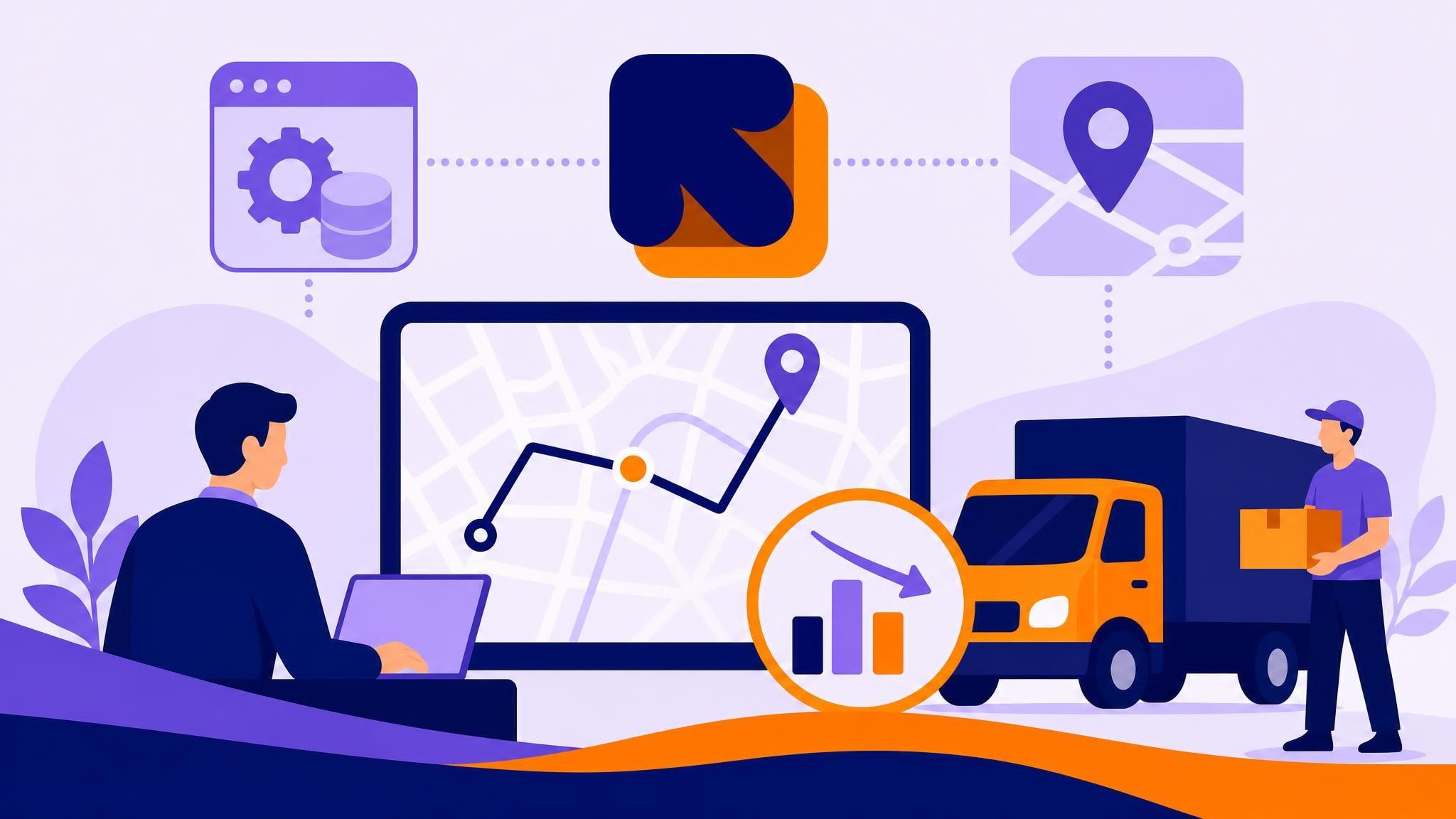
With the Meu Rastreio + Sensatta ERP Integration, orders and master data from the ERP are automatically transformed into optimized routes that factor in your operation’s constraints and goals.
Core capabilities
- Multi-variable optimization: prioritize shorter mileage, higher load utilization, delivery window compliance, and service level—aligned to your business rules.
- Geocoding and address validation: fix inconsistencies and reduce delivery failures.
- Operational constraints: weight/volume capacity, per-stop service time, order priority, vehicle profiles, restricted areas, and shifts.
- Load balancing: distribute deliveries across vehicles fairly and cost-effectively.
- Driver dispatch: send routes to the driver app with stop sequence, notes, and digital Proof of Delivery (POD).
- Real-time monitoring: track progress by route, delays, deviations, and ETAs.
- Dynamic re-optimization: adjust routes during the day for disruptions (changed windows, urgent orders, vehicle issues).
- Performance metrics: cost per delivery, miles per stop, OTIF (On Time In Full), redelivery rate, fleet utilization, and delivery NPS.
How it works in practice—from order cut to closeout
- Order cut in Sensatta ERP: released orders carry delivery windows, priorities, and constraints.
- Optimization in Meu Rastreio: in minutes, the system proposes feasible routes, balancing cost, time, and service level.
- Review and fine-tune: planners can apply additional rules (insert a pickup, lock sequences, reserve critical customers).
- Dispatch and execution: drivers receive routes; managers monitor progress in real time.
- Exception management: delays, refusals, or changed windows trigger alerts and, when needed, re-optimization.
- Closeout and analysis: KPIs are consolidated; insights feed the next planning cycle.
Measurable benefits that impact day-to-day operations
While results vary by operation profile, companies adopting ERP-integrated automatic routing often report:
- Total mileage reduction: commonly 10%–25%, directly impacting fuel, maintenance, and tires.
- Planning time optimization: from hours to minutes, freeing the team for analytical and continuous improvement work.
- Better fleet utilization: more deliveries per vehicle/day, postponing the need to expand the fleet.
- Higher delivery window and SLA adherence: more predictability and fewer reattempts.
- Fewer returns due to wrong address/time: thanks to validation/standardization and clear driver instructions.
- Lower cost per delivery and cost per mile: the result of less distance, better balancing, and less idle time.
- Smaller environmental footprint: fewer miles mean lower CO₂ emissions and better resource use.
Beyond direct financial gains, customer experience improves: proactive communications, more accurate ETAs, and instant proof of delivery build trust and repeat business.
Typical use cases (and what changes with automation)
- Regional B2B distribution: mix of tight windows and dock constraints. Automatic routing sequences stops to align windows and reduce waiting time.
- E-commerce last mile: high volume and residential addresses. Geocoding and zoned sequencing cut backtracking and cross-traffic.
- Pickup and delivery (milk run): dynamic capacity constraints. The algorithm considers weights/volumes and service times to maximize utilization without breaking windows.
- Refrigerated and sensitive goods: dedicated vehicles and temperature ranges. Auto vehicle-profile assignment and shorter routes protect product integrity.
- Reverse logistics and returns: flexible windows and scheduled pickups. The system inserts pickups into existing routes with minimal detour.
Hypothetical example: A distributor with 12 vehicles and ~280 deliveries/day spent 3 hours daily planning routes and often missed windows for key customers. After integrating Sensatta ERP with Meu Rastreio, planning dropped to 20 minutes; mileage fell by an average of 18%, and on-time delivery rates rose significantly. One vehicle was reassigned to peak-day routes without sacrificing service levels.
Metrics every Sensatta + Meu Rastreio user should track
- OTIF (On Time In Full): share of complete, on-time deliveries.
- Cost per delivery and cost per mile: track by region, customer, or load type.
- Miles per stop: indicates sequencing efficiency.
- Fleet utilization and productivity: deliveries per vehicle/shift.
- Redelivery/return rate: track root causes (address, absence, missed window).
- Planning time: from order cut to dispatch, by batch.
- SLA by customer: uphold commitments and prioritize strategic accounts.
With these metrics, you create a virtuous cycle: plan with data, execute with visibility, and improve continuously.
Best practices for a successful rollout
- Data quality: standardize addresses, service times, and weights/volumes in Sensatta ERP.
- Clear rules: define priorities, realistic windows, and vehicle profiles (capacity, restrictions).
- Controlled pilot: start with one region or product line to calibrate parameters.
- Team engagement: planners, drivers, and customer support should be part of the change.
- Exception management: set policies for delays, refusals, and changed windows with re-optimization flows.
- Training and continuous feedback: capture driver feedback in the app; refine instructions and service times.
- Regular KPI reviews: turn learnings into optimizer rules (e.g., penalize restricted areas at certain hours).
Trends already reshaping routing
- Real-time re-optimization: routes adapt continuously to traffic, delays, and new demand.
- AI-based demand and window forecasting: improves cut accuracy and capacity planning.
- Urban compliance and ESG: environmental restrictions and emission targets guide vehicle and window selection.
- Fleet electrification: routes consider range, charging points, and load profile.
- Logistics collaboration: load consolidation and microhubs reduce last-mile cost.
Sensatta ERP users who get ahead of these trends with Meu Rastreio gain efficiency today and readiness for tomorrow.
Why Meu Rastreio is the ideal partner for Sensatta ERP users
- Native integration with Sensatta ERP: lower deployment friction and continuous data flow.
- Advanced optimization algorithms: balance cost, service level, and real-world constraints.
- Live monitoring and proof of delivery: end-to-end visibility, from cut to POD.
- Scalability: from regional to national, across multiple depots and operating profiles.
- Specialized support: a local team that understands the realities of Brazilian transportation.
- Data security and governance: LGPD compliance and best-in-class protection.
Conclusion: turn ERP data into more profitable deliveries
Automatic routing is no longer a “nice to have”—it’s a core operational pillar. For Sensatta ERP users, integrating it with Meu Rastreio means planning in minutes, executing with predictability, and measuring with precision—while cutting costs and lifting customer satisfaction.
Next steps:
- Schedule a free demo and see your routes optimized in practice.
- Talk to a specialist to map quick wins in your operation.
Discover how the Meu Rastreio + Sensatta ERP Integration can raise your service level and boost delivery profitability.