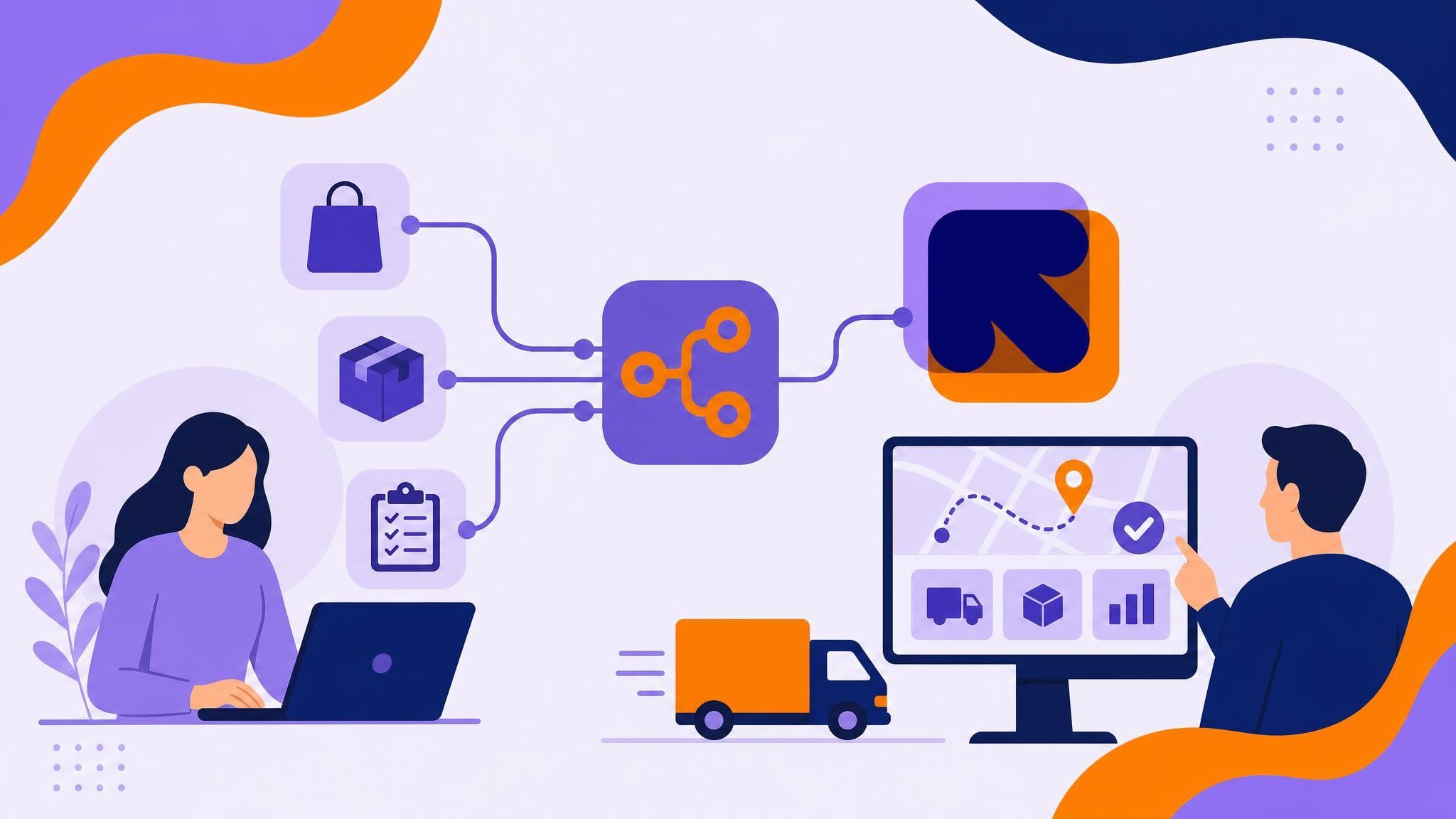
Integrate your delivery processes with n8n and boost productivity
In modern logistics, speed and predictability are everything. But when your operation relies on manual tasks—updating statuses across systems, notifying customers, handling exceptions, consolidating spreadsheets—the result is predictable: rework, higher costs, and lost visibility. The good news is that integrating your delivery processes with n8n and Meu Rastreio changes the game. You automate critical routines, cut errors, and free your team to focus on what drives value.
In this article, you’ll see why automation is strategic for deliveries, how n8n fits into your day-to-day, and the practical gains the Meu Rastreio integration brings—with real use cases and a plan to get started in just a few days.
Why automation is critical in delivery operations
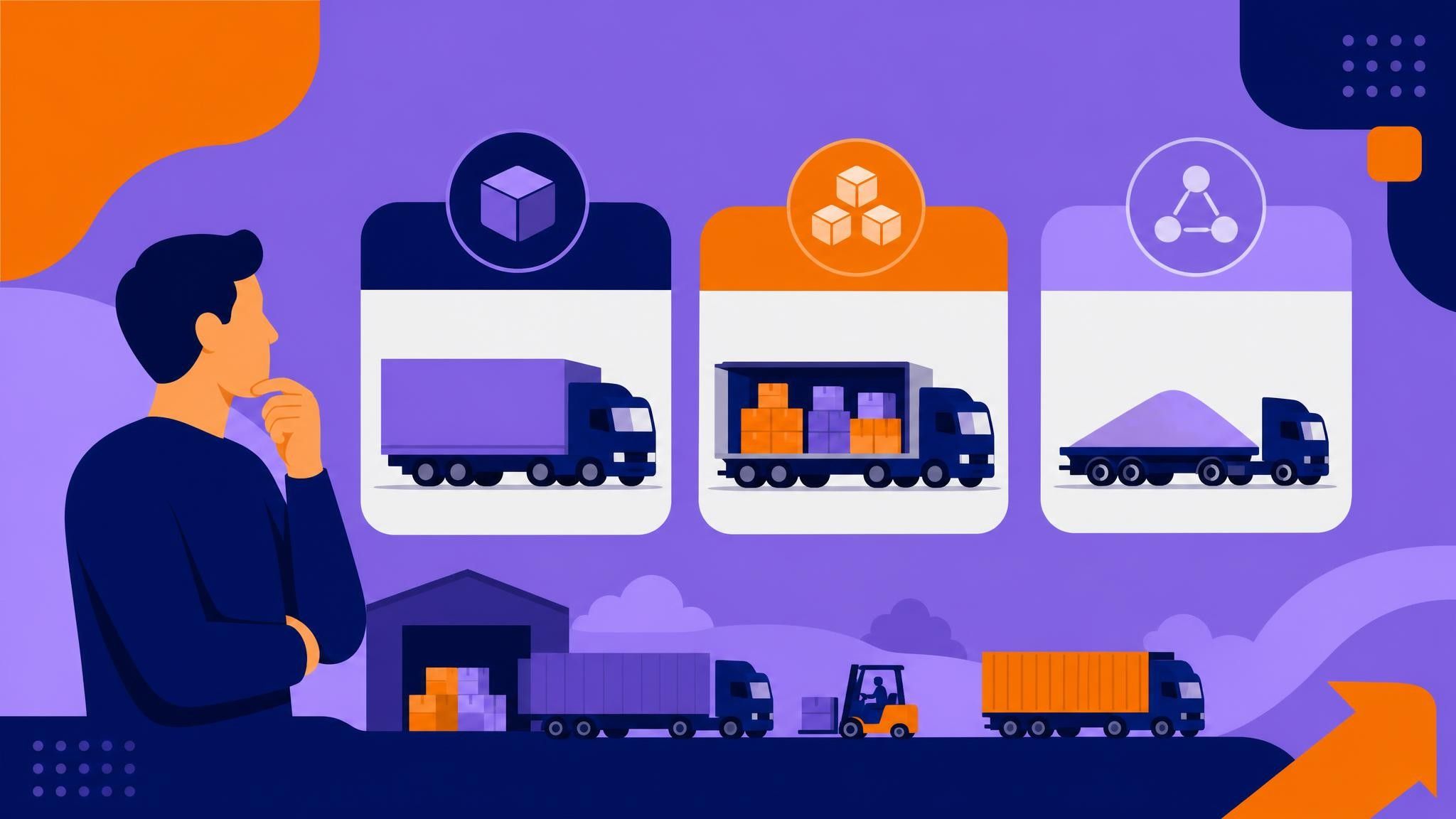
Common challenges we hear from fleet and operations leaders:
- Disconnected systems: TMS, ERP, WMS, e-commerce, and the driver app don’t always "talk."
- Lack of standardization: each carrier or branch runs a different flow, making end-to-end visibility hard.
- Excessive manual work: copy-pasting data between systems, updating spreadsheets, sending emails and messages.
- Reactive communication: customers call before receiving an update—and the team scrambles for status.
- Exception handling without a process: delays, recipient not available, damage, or returns become daily “fire drills.”
Automating with n8n and Meu Rastreio addresses these pains at the source: you turn operational events into intelligent actions—without complex development.
What n8n is and how it fits logistics
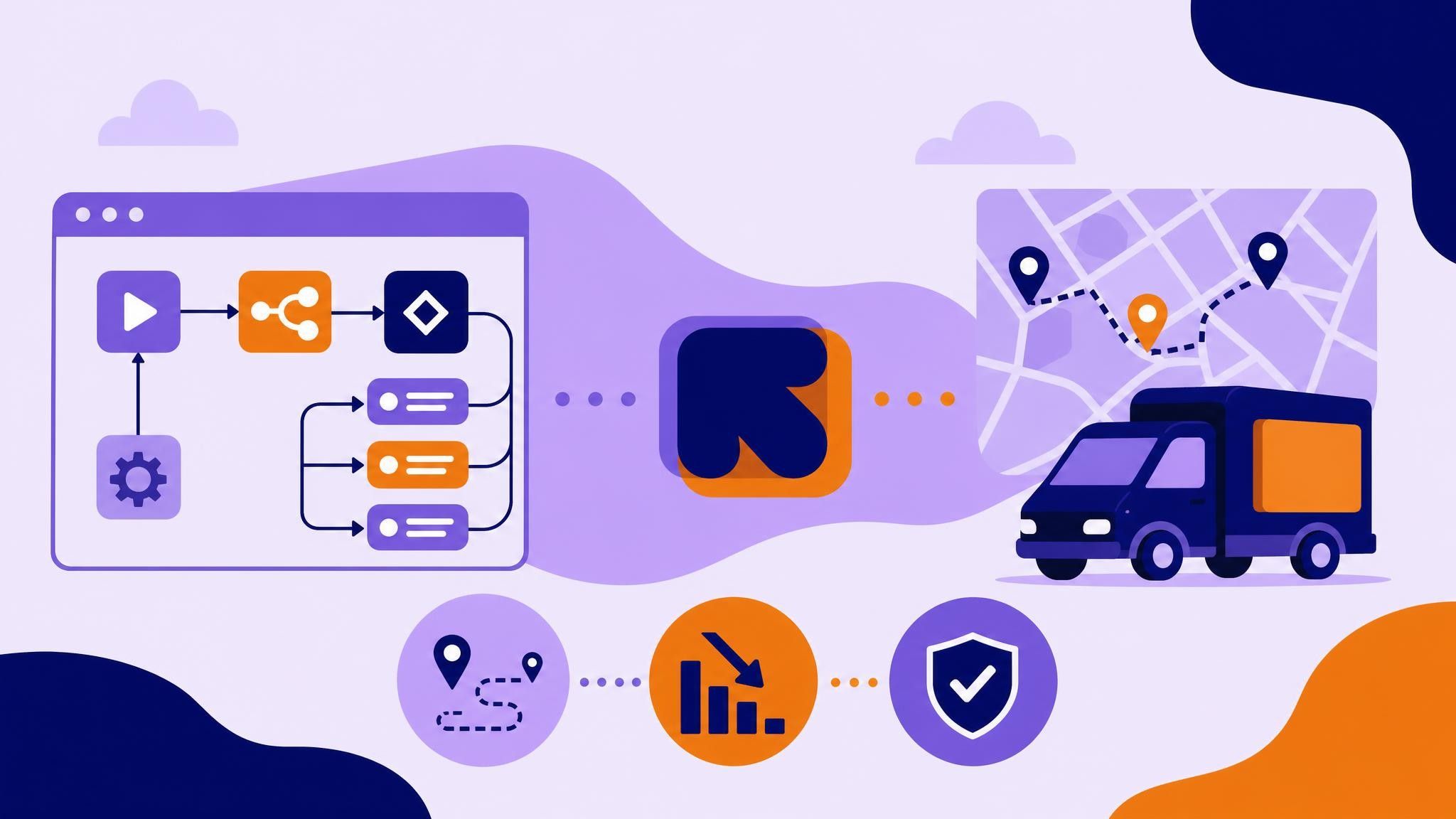
n8n is a low-code automation platform. In practice, it lets you orchestrate logistics steps—from picking to delivery—by connecting systems, people, and business rules through visual flows. Instead of repetitive manual tasks, you define when and how actions should happen:
- When a delivery status changes, trigger communications, update systems, and raise alerts.
- When a delay is detected, apply SLA rules, prioritize exceptions, and engage the right owners.
- When proof of delivery is captured, feed your ERP and BI automatically.
n8n works like a conductor, coordinating interactions between Meu Rastreio and your ecosystem (ERP, WMS, TMS, CRM, e-commerce platforms, BI, messaging, and more).
Meu Rastreio + n8n: integration that transforms the day-to-day
Meu Rastreio centralizes delivery events and statuses in real time, providing a single, reliable source of truth. Integrated with n8n, those events become triggers for automations that reduce response time and standardize processes across the entire delivery cycle.
Key advantages of this combination:
- Reliable, standardized events: clear operational statuses to power automated flows.
- Agility without complex code: operations teams configure visual flows in n8n with light support from IT.
- Scalability and governance: versioning, logs, and full visibility into what ran.
- More value from data: every delivery update triggers business processes—not just an “FYI.”
Learn more about Meu Rastreio’s n8n integration: https://www.meurastreio.app/pt-BR/integracoes/n8n
Practical use cases for your operation
- Proactive communication with customers and recipients
- When status changes to “Out for delivery,” send ETA and tracking link.
- If a delay exceeds SLA, notify the customer automatically and log the exception.
- After delivery, send a satisfaction survey and share the proof of delivery (POD). Impact: fewer support calls, higher NPS, and better first-attempt delivery success.
- Intelligent exception management
- Delay, recipient unavailable, or access restrictions? Classify the event, prioritize by severity, and alert the responsible team.
- Reschedule automatically based on delivery windows and rules by route, product, or customer.
- If needed, escalate to the next level after a defined time without resolution. Impact: shorter exception cycle time and fewer returns.
- Proof of delivery and system updates
- When POD (signature/photo) is captured, update the ERP for invoicing and release billing.
- Send the POD to key customers and the accounts receivable team.
- Log the information in BI for performance analytics by route, driver, or region. Impact: faster post-delivery invoicing and higher data accuracy.
- Smarter operational allocation
- During route planning, factor vehicle capacity, time windows, and priorities to split loads.
- If there’s an incident (breakdown, roadblock), reassign deliveries automatically to another suitable vehicle.
- Notify the driver with new instructions and update ETAs. Impact: better fleet utilization and lower cost per delivery.
- SLA monitoring and contingency plans
- Monitor SLAs by customer/region in real time.
- When risk thresholds are reached, activate a contingency plan: extended delivery windows, route changes, hub prioritization, proactive communication. Impact: operational predictability and fewer contractual penalties.
- Driver onboarding and compliance
- When a new driver is registered, trigger an automated checklist for documents, training, and validations.
- Notify about driver’s license/training expirations and block allocations when needed. Impact: continuous compliance and lower operational risk.
- Returns and reverse logistics
- When a delivery is marked as failed, generate a label/pickup order for return.
- Update status with the customer and trigger root-cause analysis for continuous improvement. Impact: shorter return cycles and insights to reduce recurrence.
Measurable benefits you can target
While every operation is unique, realistic goals when integrating Meu Rastreio and n8n include:
- 20–40% less time spent on manual tasks per agent/analyst.
- 15–30% reduction in “where is my order” support calls.
- 10–25% improvement in first-attempt delivery rate.
- 25–50% faster post-delivery invoicing (from POD to issuance).
- Significant drop in average exception resolution time.
- Higher data accuracy for audits and BI.
The edge comes from event-driven standardization: every update becomes a measurable action.
Best practices for sustainable automation
- Start where it hurts most: pick 1–2 high-volume, repetitive flows (e.g., “Out for delivery” notifications and delay handling).
- Design the end-to-end process: who starts it, who decides, time limits, and expected outcomes.
- Standardize statuses and naming: make events easy to read and avoid unnecessary exceptions.
- Plan for failures from day one: retries, waits, and who gets alerted.
- Ensure governance: role-based access, execution logs, and lightweight documentation.
- Measure constantly: set metrics before go-live (handling time, satisfaction, cost per delivery).
- Train the team: operators and analysts should know when automation steps in and when to escalate manually.
- Data protection: minimize personal data processed and define retention policies aligned with LGPD (Brazil’s data protection law).
A 7-day plan to get started
- Day 1 — Prioritize one flow: choose a high-volume, high-impact process (e.g., proactive communication + delay-based replanning).
- Day 2 — Map “before and after”: actors, inputs, outputs, rules, and exceptions.
- Day 3 — Design the flow in n8n: define Meu Rastreio triggers and actions across other systems.
- Day 4 — Define messages and rules: notification templates, time windows, priority levels, and SLAs.
- Day 5 — Controlled pilot: select one route/region and a driver group to validate.
- Day 6 — Fine-tune: refine rules, alerts, and waits based on the pilot.
- Day 7 — Phased go-live: expand scope, monitor metrics, and document learnings.
In parallel, build an automation backlog to scale over time (POD → invoicing, exceptions, reverse, compliance).
Frequently asked questions
Does this work with my ERP/TMS/WMS? Yes. n8n offers broad connectivity and Meu Rastreio centralizes standardized events. In practice, you can orchestrate integrations with the leading systems in the market.
Do I need my IT team involved? Yes—for governance and security. But because it’s low-code, operations and back office can evolve day-to-day flows with autonomy under clear policies.
What about security and LGPD? Best practices include role-based access, execution logging, data minimization, and defined retention. The Meu Rastreio team can guide you on proper setup.
What happens if something fails? Define retries, alerts, and fallback routes. Well-designed flows anticipate graceful degradation and keep the team informed.
Why choose Meu Rastreio to automate with n8n
- A single, real-time source of delivery statuses and events, ready to trigger automations.
- Flexibility to standardize processes across branches, carriers, and partners.
- A logistics specialist team that translates operational rules into efficient flows.
- Scalability to grow deliveries, users, and flows without added complexity.
Conclusion: productivity now, predictability always
Integrating your delivery processes with n8n and Meu Rastreio accelerates operations without losing control. You replace manual tasks with automated decisions, reduce delays, communicate proactively, and turn operational data into business outcomes.
Ready to take the next step?
- Book a free demo and see how to automate your first n8n + Meu Rastreio flow in practice.
- Talk to a specialist to map priority use cases and estimate productivity gains.