How Success Stories Can Revolutionize Your Logistics
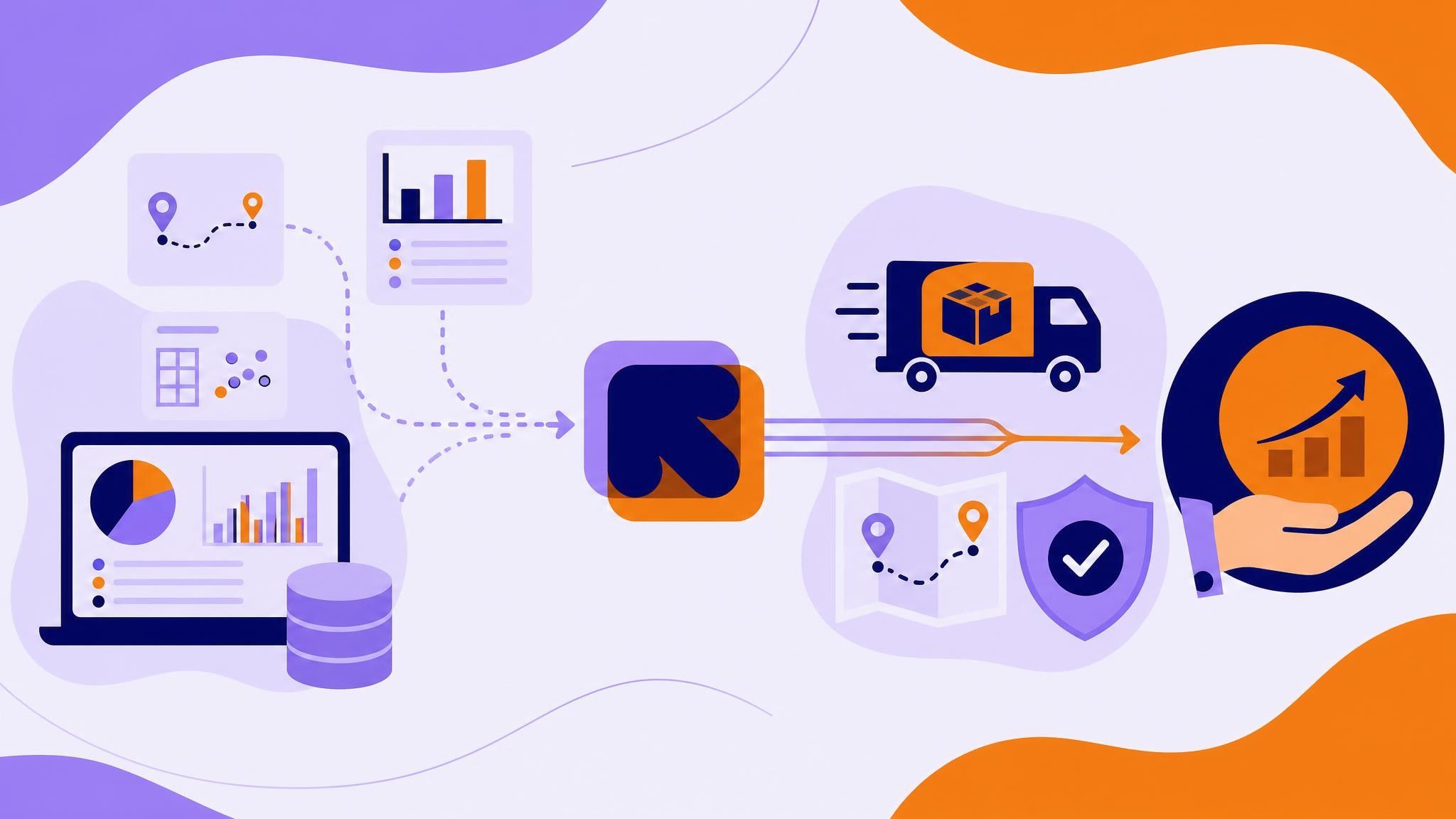
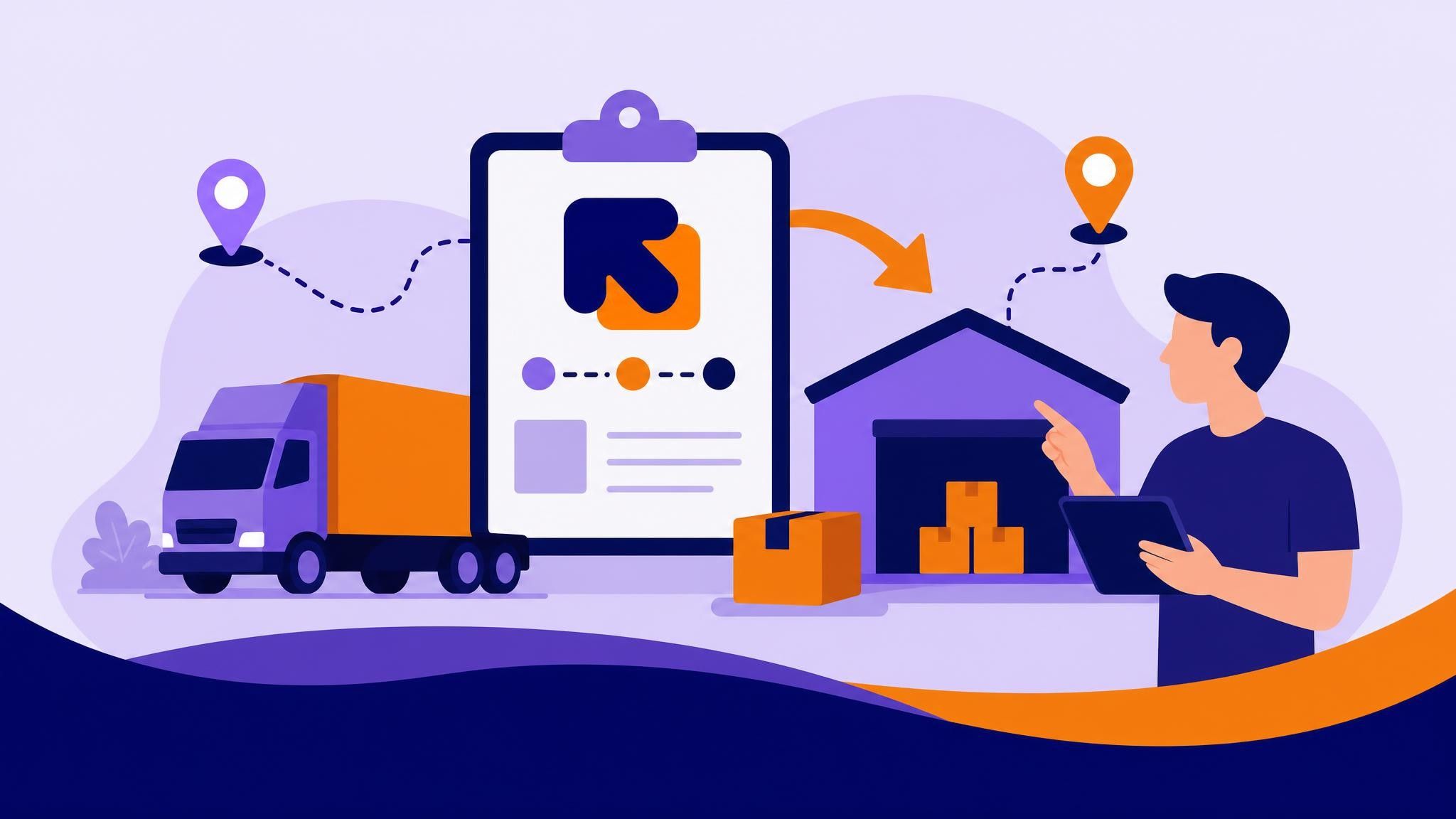
The pressure for shorter lead times, lower cost per delivery, and flawless customer experiences puts logistics at the center of any operation’s strategy. But in practice, how do you decide which technologies and processes to prioritize? That’s where success stories come in as a high-value shortcut: they show, with evidence, what works, in what timeframe, and with what outcomes.
By analyzing logistics case studies—especially those from the Meu Rastreio platform—managers and operators find a clear roadmap to cut costs, boost efficiency, and elevate customer satisfaction. In this article, you’ll learn how to use case studies to speed up decisions, de-risk projects, and build a business case that truly transforms your operation.
Why success stories matter in logistics
Success stories aren’t just “feel-good tales.” They condense field learnings and translate strategic goals into operational metrics. For logistics, this means:
1) Reduce risk in decision-making
- Avoid blind bets by seeing scenarios similar to yours, with operational context, volume, and complexity.
- Understand what was done, by whom, in how long, and with what ROI.
- Anticipate real implementation pitfalls and barriers.
2) Actionable benchmarking
- Compare critical indicators (OTIF, SLA adherence, cycle time, cost per delivery).
- Learn replicable practices: proactive delivery tracking, automated customer communication, digital proof of delivery, and route optimization.
3) Faster internal adoption
- Cases provide concrete material to engage executives, ops teams, and drivers.
- They make it easier to align goals and design KPIs from the pilot stage.
The main logistics pain points—and how case studies show the way
Lack of end-to-end visibility
Without real-time visibility, it’s impossible to prevent delays, reschedule stops, and inform customers accurately. Case studies show how companies:
- Deploy delivery tracking with live status and ETA.
- Offer portals and tracking links to customers, cutting “where is my order?” calls.
- Use proactive alerts to act before a delay happens.
Practical outcome: timely decisions, less rework, and higher customer trust.
SLA breaches and below-target OTIF
Pickup delays, missed delivery windows, and inconsistent proof of delivery drag OTIF down. In the cases, you’ll see:
- Window control and prioritization in route planning.
- Checklists and digital Proof of Delivery (POD) with photo and signature.
- SLA dashboards for immediate action when performance drifts from plan.
Practical outcome: predictability, protected contracts, and auditable performance.
High logistics costs and idle fleet time
Without data, cost reduction becomes trial and error. Cases point to:
- Route optimization and smart stop consolidation.
- Load rebalancing by vehicle and shift.
- Utilization and idle-time indicators to right-size the fleet.
Practical outcome: fewer empty miles, lower cost per delivery, and better asset usage.
Broken communication with the end customer
Overloaded support, conflicting information, and customer frustration. In success stories, companies:
- Automate notifications by SMS/WhatsApp/email for critical events (out for delivery, delivery attempt, delivered).
- Offer white-label tracking pages.
- Run quick post-delivery surveys to measure NPS and close the loop.
Practical outcome: fewer support calls, higher NPS, and stronger loyalty.
What Meu Rastreio case studies reveal in practice
Exploring Meu Rastreio’s success stories, you’ll find transformation patterns across B2C, B2B, and dedicated transport operations:
- Real-time visibility of fleet and deliveries, with dashboards for operations and leadership.
- Delivery tracking with clear ETAs for end customers.
- Digital Proof of Delivery (photo, signature, geolocation) to reduce disputes and discrepancies.
- Automated customer communication, lowering support costs and information gaps.
- Routing and prioritization by SLA and time window, balancing productivity and service level.
- Operational and executive indicators (OTIF, delivery attempts, cost per km, cycle time).
- Guided implementation and support for operations teams and drivers.
Typical results reported by operations adopting tracking and visibility solutions like Meu Rastreio include:
- Reduced cost per delivery by optimizing routes and cutting rework.
- Higher OTIF via SLA controls and digital POD.
- A significant drop in “where is my order?” calls thanks to shared tracking.
- Faster decision-making powered by consolidated dashboards.
Want to see it in action? Explore the cases: https://meurastreio.app/pt-BR/cases
Practical examples of transformation (real, day-to-day scenarios)
- High-growth e-commerce: After enabling shared tracking and proactive notifications, support contacts dropped sharply while post-delivery NPS rose. The team began measuring delivery attempts and focused on first-attempt success, reducing costs and returns.
- B2B distributor with strict windows: With priority- and window-based routing plus digital POD for auditing, adherence to critical time slots improved and contractual penalties decreased.
- Regional carrier: With utilization and idle-time dashboards, loads were redistributed, routes rebalanced, and empty mileage reduced, improving cost per kilometer.
Each scenario shows how a combination of tracking, data, and automation changes the game—not through sudden overhauls, but through steady, week-over-week gains.
How to use case studies to build your logistics business case
- Map pain points and current indicators
- List your bottlenecks: visibility, SLA, cost per delivery, returns, idle time.
- Collect baseline data (last 60–90 days).
- Select cases similar to your context
- Volume, order mix, served regions, window constraints, own vs. outsourced fleet.
- Extract replicable initiatives
- Examples: enable end-customer tracking, activate digital POD, prioritize routes by SLA.
- Build short-term scenarios and targets
- Set realistic 30-, 60-, and 90-day goals (e.g., +10% in OTIF; -15% in support calls).
- Plan a controlled pilot
- Start with a subset of routes, region, or branch.
- Train drivers and support staff on the new routines.
- Measure and communicate results
- Compare against baseline and share quick wins with leadership and the team.
Trends that reinforce the value of case studies in logistics
- Last mile at the center of cost: Industry reports show the last mile concentrates a large share of logistics spend, making routing and visibility solutions critical.
- Customer experience as a differentiator: Real-time tracking and proactive communication are now expectations—not bonuses.
- Data-driven decisions: High-performing operations use daily dashboards to adjust allocation, windows, and priorities in real time.
- Sustainability and efficiency: Fewer empty miles and delivery attempts reduce both costs and emissions.
- Ecosystem integration: End-to-end visibility among shippers, carriers, and the final customer reduces friction and speeds up information flow.
Frequently asked questions
-
My scenario is very specific. Can cases still help? Yes. Look for cases with similar constraints (time windows, delivery types, regions). The goal is to extract principles and practices you can adapt to your context.
-
How soon will I see results? Operations often report gains within the first weeks of a well-planned pilot (especially in visibility and communication). More structural benefits (cost per delivery, OTIF) tend to consolidate over 1–3 monthly cycles.
-
Do I need to replace all my systems? Not necessarily. Many improvements come from layers of visibility, communication, and proof of delivery that coexist with your current systems.
-
How do I measure success? Define KPIs before the pilot: OTIF, SLA by route, cost per delivery, delivery attempts, support calls, post-delivery NPS, and return rate.
Conclusion: transform your operation with evidence, not assumptions
Success stories are the fastest, safest way to understand how logistics solutions—like Meu Rastreio—deliver visibility, efficiency, and superior customer experience. They reveal the levers that work, the metrics that matter, and a path to capture value in weeks, not years.
If you want to cut costs, raise OTIF, and delight the end customer, start with what’s already proven in the field.
- See it in action: https://meurastreio.app/pt-BR/cases
- Talk to a specialist and book a free demo for your operation.
Take the next step today and revolutionize your logistics with results you can prove.