Complete Guide: Optimize Logistics with Sensatta ERP + Meu Rastreio Automated Integrations
The pressure for tighter deadlines, lower costs, and real-time visibility has turned logistics into a high-precision game. If your orders live in the ERP, your loads in the TMS, your drivers in mobile apps, and your customers on WhatsApp or email, any manual handoff becomes a bottleneck. This is where Sensatta ERP + Meu Rastreio automated integrations change the game: you connect your end-to-end operation, remove manual work, and gain total control from order to delivery.
This guide explains how to integrate Sensatta ERP with the Meu Rastreio ecosystem to unlock operational efficiency, raise service levels, and scale logistics with predictability.
Why integrate Sensatta ERP into your logistics ecosystem
When ERP is isolated, you lose speed and quality. By integrating it with a logistics and tracking platform, you:
- Unify order, invoice, shipping, and transportation data.
- Eliminate double entry and status mismatches.
- Gain real-time visibility from pickup to delivery (OTIF, SLA, lead time).
- Orchestrate carriers, drivers, and teams with a single source of truth.
- Elevate customer experience with proactive updates and digital Proof of Delivery (POD).
With Meu Rastreio, the Sensatta ERP integration is native, secure, and outcomes-driven, keeping fiscal and back-office processes synchronized with execution in the field.
Common challenges without automated integrations
- Rekeying data: order and invoice in the ERP; manifest and pickup order in another tool; spreadsheets in between.
- Lack of traceability: transportation events don’t flow back to the ERP, hurting Customer Service, billing, and SLA management.
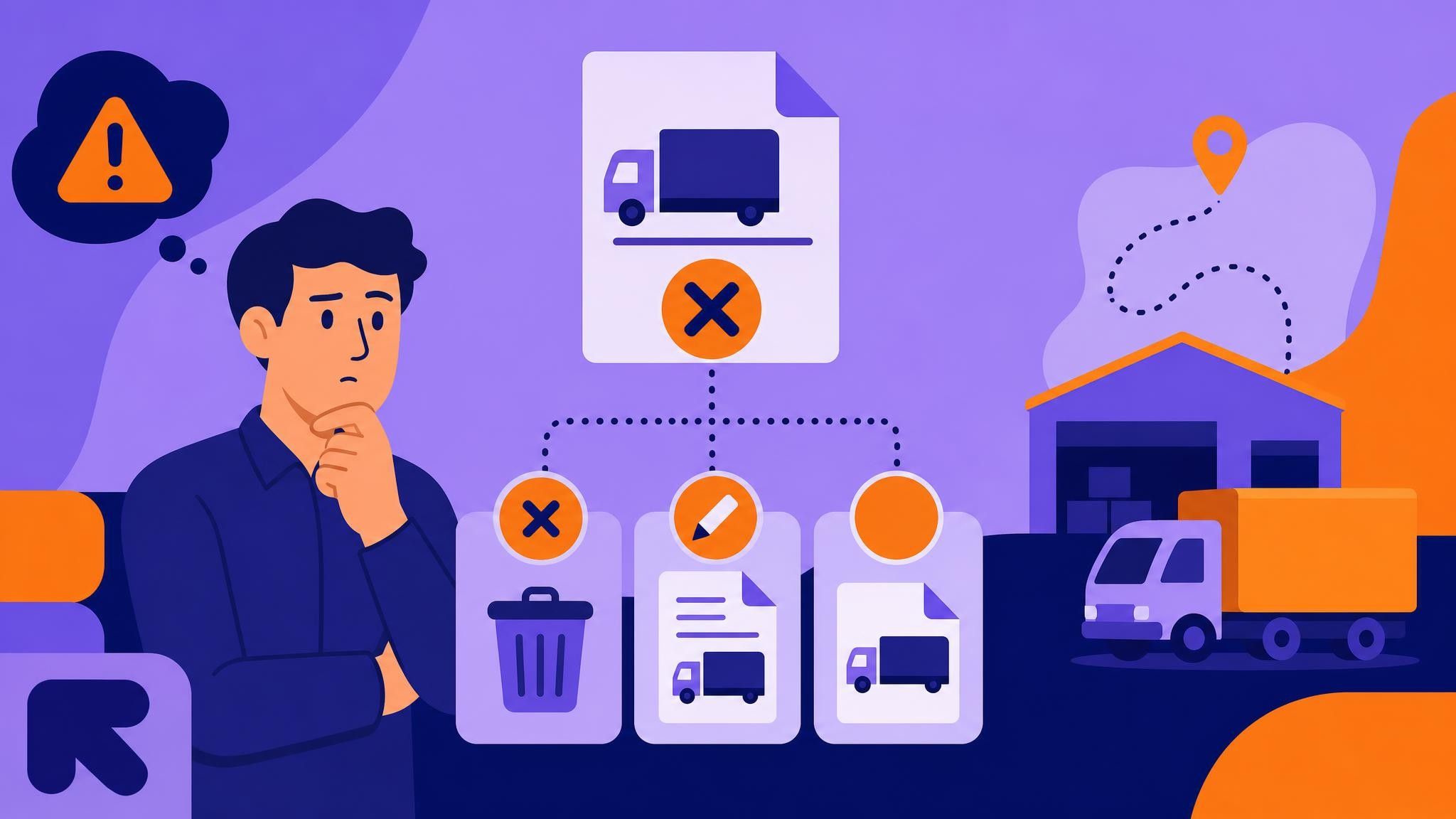
- Exceptions and returns: mismatched records, outdated addresses, and missing shipping validations.
- Inflated costs: more admin hours, higher error rates, and fewer on-time deliveries.
- Decisions in the dark: without solid transportation KPIs, carrier negotiations and planning suffer.
How Sensatta ERP + Meu Rastreio automated integrations work
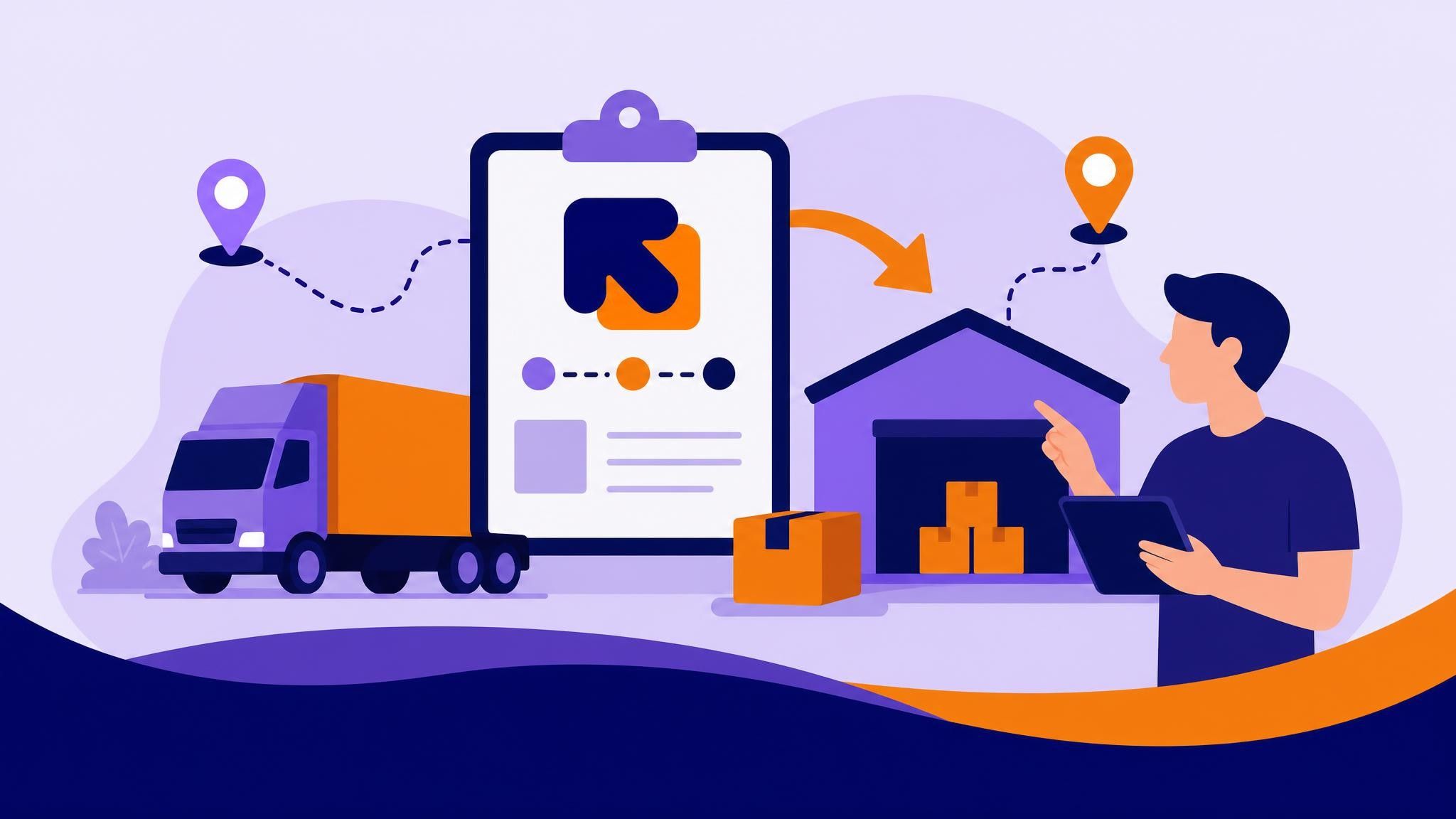
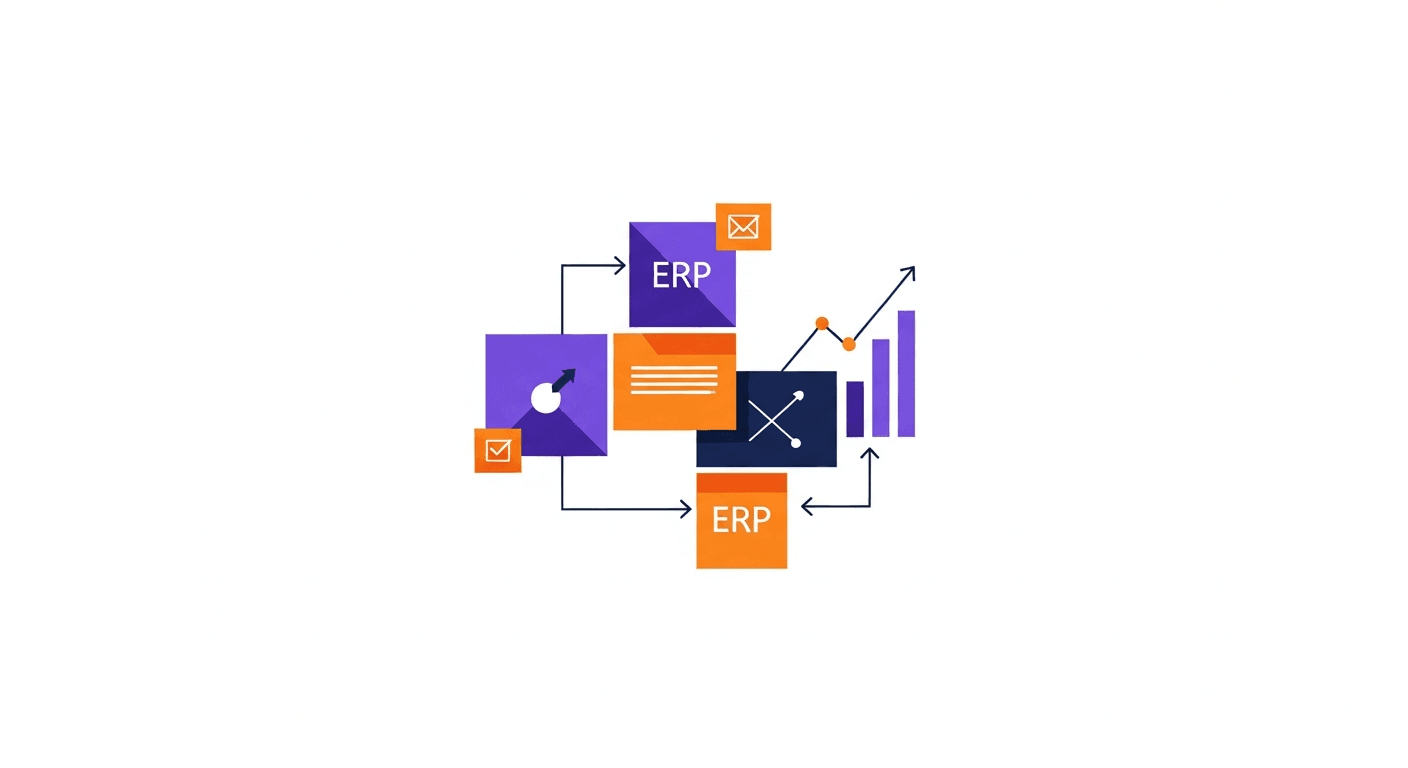
The integration connects critical Sensatta ERP data to Meu Rastreio and carriers, orchestrating the entire operational cycle:
- Orders, invoices, and shipping orders: synchronized for automatic creation of pickups, loads, and deliveries.
- Manifest and consolidation: smart grouping by route, time window, weight/volume, and customer constraints.
- Transportation status: pickup, in transit, delivery attempt, delivered, and exception events flow back to the ERP.
- Digital Proof of Delivery: photo, geolocation, signature, and checklist linked to the order/invoice.
- Notifications: proactive communication for customers and internal teams (deadlines, exceptions, redeliveries).
- Control tower: real-time dashboard with SLA, OTIF, carrier performance, and lead time by route.
- Logistics finance: structured base for freight audit and reconciliation, reducing billing discrepancies.
Typical integrated operation flow
- The order is invoiced in Sensatta ERP, generating the invoice.
- Meu Rastreio automatically creates the delivery, assigns the right carrier, and suggests the optimal route.
- The driver receives the schedule in the app; at pickup and delivery, they record events and evidence.
- Status flows to Meu Rastreio and back to the ERP, updating Customer Service and Finance.
- Delivery closes with a digital POD; support has complete tracking; Finance has inputs for audit.
Practical, measurable benefits
- Administrative productivity: less rekeying and manual checks, freeing up weekly hours.
- Error reduction: standardized records, automatic address and document validation.
- OTIF and SLA: more on-time deliveries with preventive alerts and clear exception visibility.
- Lead time and predictability: more accurate ETAs and real-time route tracking.
- Logistics cost: reliable basis to compare freight, negotiate rate cards, and cut paid exceptions.
- Customer experience: clear tracking, proactive communication, and digital POD to speed dispute resolution.
- Compliance and audit: complete event and document trail, ready for internal and external audits.
How to measure the gain
- Average shipping time per order.
- Percent of data entry/rework eliminated.
- OTIF by carrier/route.
- Door-to-door lead time.
- Exception and return rate.
- Cost per delivery and cost per productive mile.
Real-world use cases
- B2B distributor with two DCs: the integration automatically creates loads and manifests from Sensatta ERP invoices. The team reduces spreadsheet hours, support answers customers in seconds with reliable status, and Sales negotiates deadlines based on real lead time by region.
- Manufacturer with D2C and B2B deliveries: Meu Rastreio segments routes by receiving windows and unloading constraints. The team monitors exceptions in a control tower, triggers redeliveries quickly, and reduces damage losses with mandatory photos at loading and delivery.
- Omnichannel e-commerce operation: once invoiced in the ERP, the delivery is created and the customer receives unified tracking across multiple carriers. Finance uses events to validate freight charges, avoiding overpayments.
Implementation best practices
- Map your processes: from order to proof of delivery, with clear owners and SLAs.
- Standardize records: carriers, addresses, dimensions, and delivery constraints.
- Define critical events: which statuses must flow back to the ERP and when to trigger alerts.
- Start with a pilot: one branch, one route, or one carrier; validate KPIs and scale up.
- Train field teams: app usage, evidence capture, and exception communication.
- Create data governance: periodic quality reviews and freight audits.
- Monitor results: dashboards for OTIF, lead time, cost per delivery, and exception rate.
Trends that will impact your logistics
- ETA prediction with traffic and operational history data.
- Telemetry and IoT for safety, maintenance, and fuel-efficient driving.
- Stronger proof of delivery: photos, checklists, and geofencing.
- Carrier marketplace integrations and collaborative routes.
- Operational analytics and simulations for capacity planning.
- LGPD and information security at the core of your data strategy.
Why choose Meu Rastreio to integrate with Sensatta ERP
- Native integration with Sensatta ERP: rapid deployment with proven best practices.
- Broad carrier network: connect your transportation mesh with minimal friction.
- Real-time control tower: end-to-end visibility and exception-driven management.
- Driver app: easy to use, with digital POD and configurable checklists.
- Reports and BI: ready-to-use KPIs for day-to-day management and executive visibility.
- Scalability and security: architecture built for seasonal peaks and data governance.
- Specialized support: a logistics-focused team to accelerate your ROI.
How to get started in 7 steps
- List your flows: invoicing, shipping, transportation, POD, and Finance.
- Define the essential events that must circulate between Sensatta ERP and Meu Rastreio.
- Standardize records and validate critical addresses.
- Choose one carrier and one region for the pilot.
- Train administrative teams and drivers.
- Activate OTIF, lead time, and cost-per-delivery dashboards.
- Review results after 30 days and expand gradually.
Conclusion
Integrating Sensatta ERP with Meu Rastreio’s automated integrations is the fastest way to turn a reactive logistics operation into a predictable, efficient, customer-centric machine. You cut rework, gain visibility, improve deadlines, and make decisions based on trustworthy data.
Ready to take the next step? Book a free demo and see how the Integration with Sensatta ERP (https://meurastreio.app/pt-BR/integracoes/sensatta) can raise the bar for your operation. Prefer to talk? Speak with a Meu Rastreio expert and craft a tailored rollout for your business.