How to centralize CT-e, MDF-e and electronic fiscal documents in a single platform
The day-to-day reality of logistics operations is relentless: tight deadlines, multiple pickups and deliveries, route changes—and a mountain of electronic fiscal documents to manage: CT-e, MDF-e, events, DACTE, DAMDFE, correction letters (CC-e) and cancellations. When every step runs in a different system, the risk of errors, rework and fines increases. Centralizing everything in one platform isn’t just about organization—it’s a strategy to boost operational efficiency, cut costs and keep the operation 100% tax compliant.
In this article, you’ll learn why and how to unify CT-e, MDF-e and other electronic fiscal documents in a single place, the practical benefits to expect, and how Meu Rastreio can accelerate this shift with a robust, easy-to-use solution.
What it means to centralize CT-e, MDF-e and DF-e
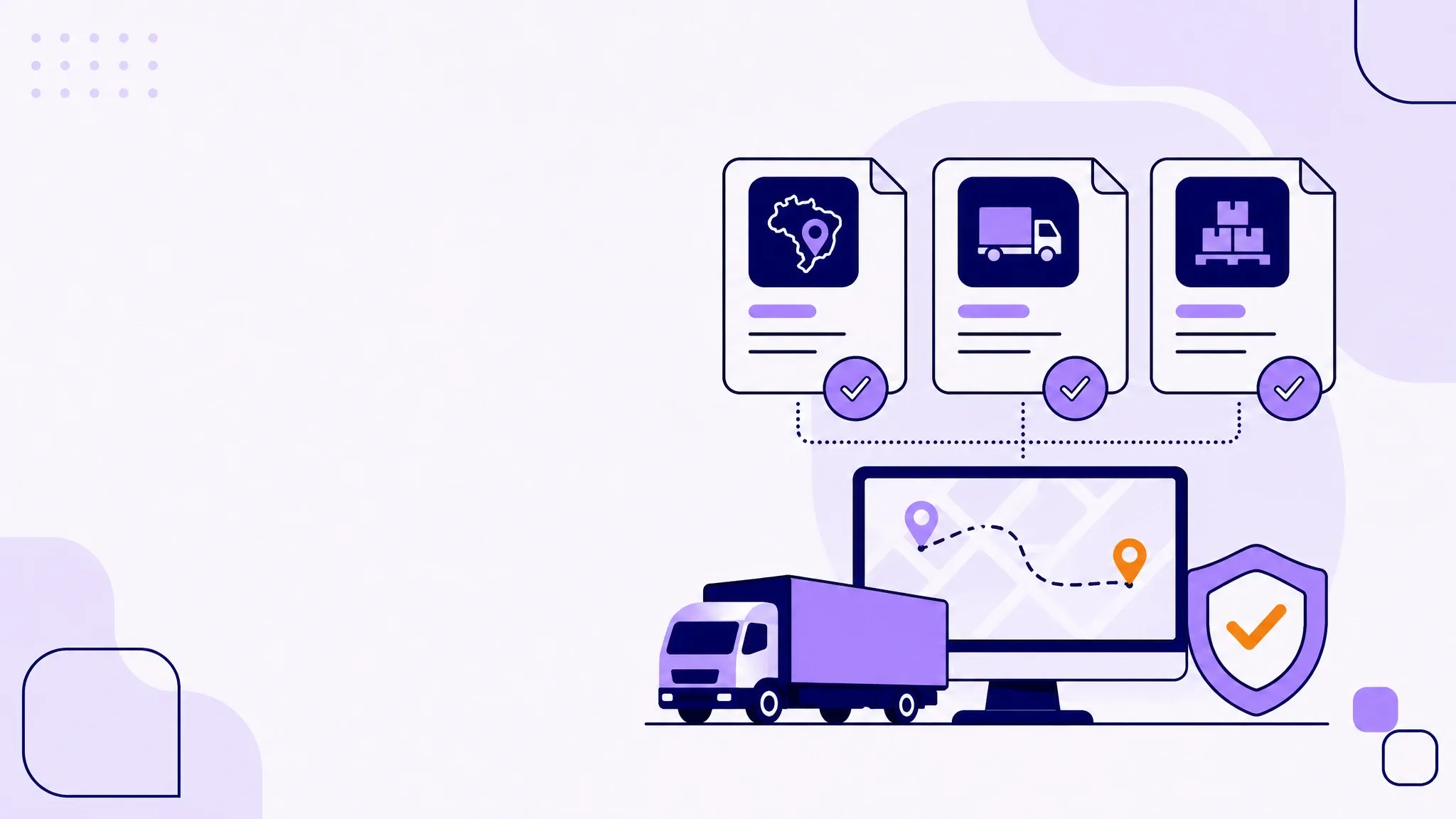
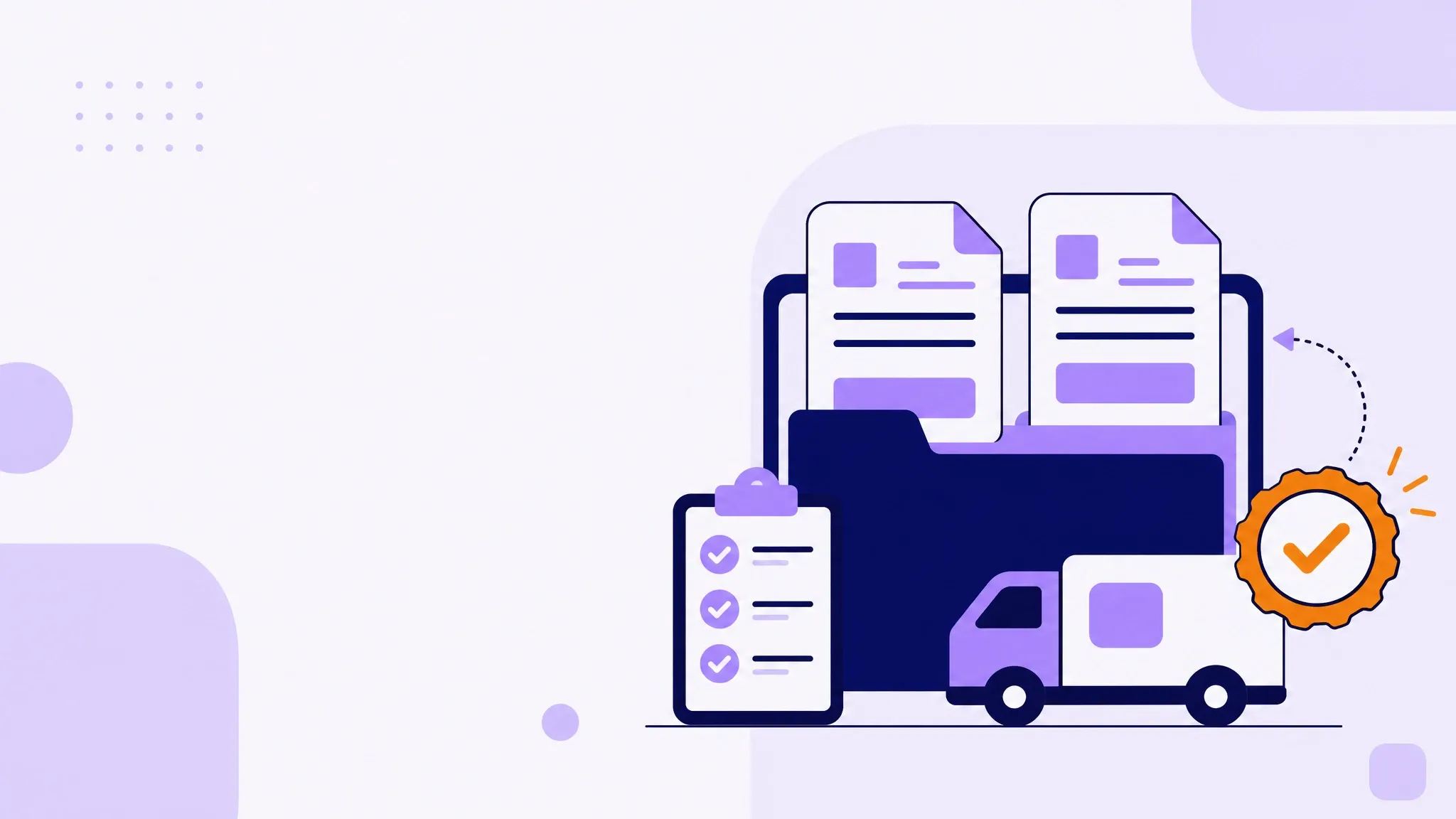
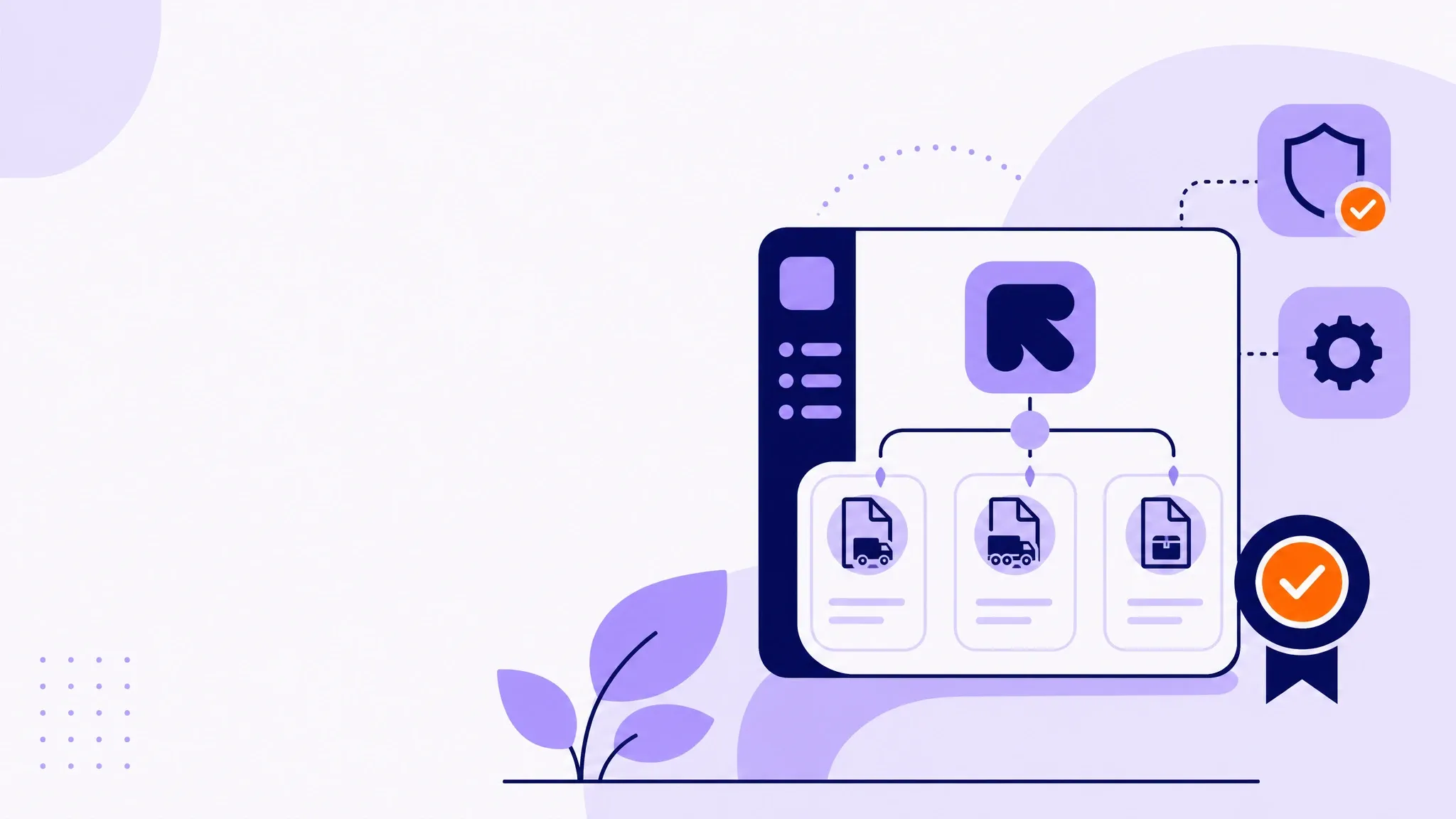
Centralizing means consolidating the entire lifecycle of your operation’s electronic fiscal documents in one secure, integrated environment, including:
- Issuance, receipt and storage of CT-e (Electronic Bill of Lading, Brazil) and MDF-e (Electronic Manifest of Fiscal Documents)
- Generation and printing of DACTE and DAMDFE
- Real-time status with SEFAZ (authorized, rejected, canceled)
- Fiscal events (cancellation, CT-e electronic correction letter – CC-e, MDF-e closure)
- Search and audit by access key, CNPJ, license plate, driver, customer or route
- Integration with TMS/ERP and automation of critical workflows
In practice, your teams—fleet, operations, admin and finance—work from a single control panel, sharing the same real-time information with audit trails and strong security.
The main challenges of not centralizing
Without a single platform, the same problems repeat:
- Duplicate or lost XML: documents spread across emails, local folders and flash drives hinder legal retention (typically 5 years) and audits.
- Late cancellations: without alerts, cancellation or CC-e requests may be missed or sent after the deadline, triggering contingencies.
- Expired or unclosed MDF-e: risk of fines, roadside holds and delays that impact customer SLAs.
- Lack of visibility: CT-e and MDF-e statuses are unclear; verification depends on calls, messages and spreadsheets.
- Operational rework: teams retype the same data in TMS, ERP and fiscal systems, increasing human error.
- Slow audits: when inspections or freight disputes arise, finding the right document can take hours away from core operations.
How a single platform solves it
Real-time integration with the fiscal environment (SEFAZ)
- Continuous monitoring of CT-e and MDF-e status with SEFAZ.
- Event automation: cancellation, CT-e CC-e, MDF-e closure—with internal approval workflows.
- Smart alerts: rejected documents, cancellation deadlines and MDF-e close-to-expiration warnings.
Unified document and event management
- Issuance, receipt and cloud storage of all XML with timestamps and protocols.
- One-click DACTE and DAMDFE generation with standardized layout.
- Advanced search: by key, payer’s CNPJ, license plate, state (UF), route, time period and branch.
Controls and tax compliance
- Full audit trail by user and event.
- Document retention policies aligned to legal requirements.
- Role-based access by area (operations, tax, finance), branches and partners.
Integration with TMS/ERP and operational reconciliation
- Connect to the systems you already use (TMS/ERP) to eliminate duplicate work.
- Link CT-e to orders/manifests and the related MDF-e (license plate, driver, route).
- Freight reconciliation and proof of delivery tied to the fiscal document when applicable.
Practical, measurable benefits
Centralizing electronic fiscal documents in one platform delivers day-to-day gains:
- Faster checks: automated validation of statuses and protocols eliminates hunting through multiple screens and spreadsheets.
- Fewer fines and contingencies: proactive alerts help close MDF-e on time and fix rejections quickly.
- Lower administrative costs: fewer hours spent on data entry, manual XML organization and fixing inconsistencies.
- Faster audits: generate fiscal reports and case files in a few clicks by period, customer or branch.
- Operational scalability: grow trip volumes without expanding headcount at the same pace.
- Data-driven decisions: KPIs on rejections, deadlines, and occurrences by branch, driver or route power continuous improvement.
A practical (hypothetical) example
- Before: a carrier with 80 trips/day spent about 3 hours daily just to find and check CT-e, generate DACTE and monitor MDF-e closures.
- After: with automation and unified dashboards, the same workflow takes about 30–40 minutes, with expired MDF-e occurrences near zero.
Common use cases
- Regional multi-route carrier
- Challenge: high daily volume, different teams handling issuance, manifest and closure.
- Solution: automate MDF-e creation from valid CT-e, generate DAMDFE instantly and trigger closure alerts by plate/route.
- Result: fewer inspection stops and more predictability for customers.
- Shipper that must acknowledge third-party CT-e
- Challenge: receive and store XML from different carriers while ensuring verification and compliance.
- Solution: automatic capture of incoming CT-e, protocol validation and organization by CNPJ/branch.
- Result: faster audits and transparent freight reconciliation.
- Multi-branch less-than-truckload (LTL) operation
- Challenge: documents scattered across sites, inconsistent processes and little standardization.
- Solution: one platform with branch-based access profiles, uniform retention policies and comparative KPIs.
- Result: standardized processes and a unified operational view.
Best practices to implement a single platform
- Map the current flow of issuance, manifest, events and verification by branch.
- Clean up master data (CNPJ, plates, drivers, CFOP, operation natures) to reduce rejections.
- Define owners and internal SLAs for cancellations, CC-e and MDF-e closure.
- Set up access profiles and approval workflows (tax, operations, finance).
- Train teams with real scenarios and simulated audit case files.
- Start with a pilot (branch/route) and scale after validating metrics and learnings.
- Monitor KPIs: rejection rate, MDF-e closure time, occurrences by user/branch and average audit response time.
Trends and what’s next in electronic fiscal management
- More automation and real-time validation: fewer manual processes, more preventive rules.
- Deeper TMS/ERP integrations: end-to-end data flows without rework.
- Operational–fiscal analytics: dashboards that blend route, SLA and compliance metrics.
- Security and LGPD by design: encryption, access control and complete audit trails.
- Mobile experience: secure access to critical visibility and actions from anywhere.
Companies that move first on these practices become more resilient to regulatory changes and scale faster without proportional cost increases.
How Meu Rastreio helps you centralize CT-e, MDF-e and DF-e
Meu Rastreio is a logistics and transportation SaaS platform that centralizes the management of electronic fiscal documents with simplicity and robustness. Highlights include:
- Full centralization of CT-e and MDF-e with DACTE and DAMDFE generation
- SEFAZ status monitoring and automated events (cancellation, CT-e CC-e, MDF-e closure)
- Secure cloud storage with legal retention and audit trail
- Advanced search and reports by customer, route, plate, driver, state (UF) and period
- Smart alerts for deadlines, rejections and closure
- Integration with TMS/ERP and process standardization across branches
- Fast implementation and specialized support for operations and tax teams
If you want to cut rework, avoid fines and gain predictability, centralizing your electronic fiscal documents is the most strategic step—and Meu Rastreio is built for it.
Conclusion and next steps
Centralizing CT-e, MDF-e and fiscal documents in a single platform transforms your daily operations: fewer errors, more control and data-driven decisions. With automation, integrations and governance, your team focuses on what matters—meeting customer SLAs with quality and healthy margins.
Ready to see it in action for scenarios like yours?
- Book a free demo of Meu Rastreio’s CT-e module: https://meurastreio.app/pt-BR/cte
- Talk to a specialist to estimate the efficiency gains for your fleet and branches
Take the next step toward a more efficient, scalable and 100% tax-compliant operation.